Construction of a multi-use event arena in Rio Rancho, New Mexico, was supposed to be a boon for the city. But when events dried up, costs mounted and a big building became a big mistake.


The company behind this failed arena has also planted stadia in other small cities with similarly poor results.
"The arena, which Global Entertainment said would be profitable in a year, has lost so much money that Rio Rancho has had to spend millions of dollars each year to keep it afloat. The city fired Global Entertainment in 2009 and sued it to recoup hundreds of thousands of dollars in unpaid bills.
A new arena manager has brought in more business, but the losses have continued to mount, eating into the city's already tight budget and pushing lawmakers to eliminate jobs and cut costs, including asking police officers to buy their own practice ammunition.
"If you look at the numbers that Global Entertainment presented to us, it was really, really questionable then, let alone during a recession," said James C. Jimenez, the city manager in Rio Rancho, who was hired after the arena foundered. "If we didn't have to allocate the money for debt service, our employees would have had raises and our budget would be in a better position." "
Read the full story: Company’s Arenas Leave Cities With Big Problems
The Temporary Stadium
As London prepares to host the 2012 Summer Olympics, plans for a temporary basketball stadium that can be removed after the event are offering a new way to look at the event and its potential for creating venues with no long-term usability.
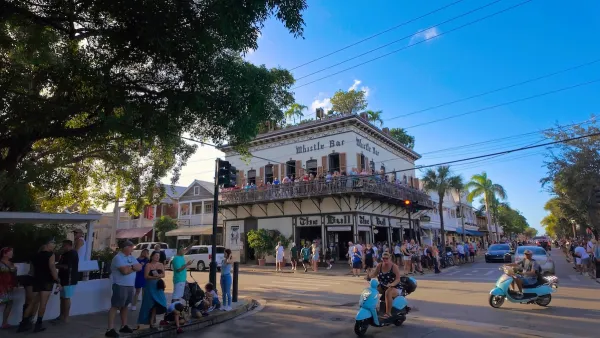
$2 trillion in economic growth may hide in ‘micropolitan communities’
Small cities hold 39% of America’s population, but receive only 10% of U.S. venture capital investment.
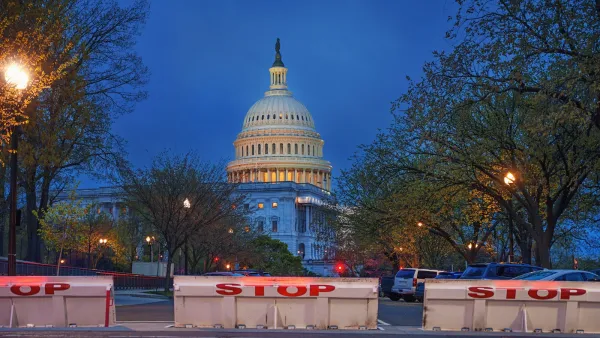
Washington DC prepares for 4th of July with road closures, security checkpoints
The nation's capital is bracing for a series of large-scale events celebrating the nation's 250th anniversary.

Planetizen Federal Action Tracker
A weekly monitor of how Trump’s orders and actions are impacting planners and planning in America.

California plans to bury El Niño’s downpour
If the state plays its cards right, it may be able to store a billion acre-feet of El Niño’s water in aquifers.

Desperate measures: Advocates weigh draining Lake Powell to fill Colorado River
Draining the reservoir could reduce evaporation losses by a couple hundred thousand acre-feet.

Post election, Texas is no longer Musk’s 'AI oasis'
Elon Musk dolled out $446 million on the 2026 midterms, the most ever spent by a non-canidate.

Chicago voters approve permanent festival grounds, penalty for vacant property owners
Currently, major summer and fall festivals take over public parks for weeks at a time, drawing criticism from nearby residents

NYC votes to cut outdoor dining red tape, speed up permitting
New York City also voted to allow the Department of Transportation to begin work on urgent projects before notifying elected officials.

FREE Course: Walkable City 1: Why Walkability?
After describing his path towards focusing on walkability as the essence of good planning, Jeff Speck marches through his five principal reasons for making more walkable places.
Reinventing Malls: Planning Alchemy—Turning Gray Fields Into Gold
The course focuses on the opportunities and imperatives that shape reinvention of mall sites.

City of Rosemead
Rutgers University, Edward J. Bloustein School of Planning and Public Policy
One Hundred Miles
Hunter College, City University of New York (CUNY)
The Architects Foundation
University of Cincinnati Online
City of Cambridge
Montrose County
The Pocatello Development Authority