The San Francisco Bay Area's BART rapid transit system is being remodeled, which requires new seats. Planners are getting riders to weigh in -- literally -- on seat comfort.


BART's designers infamously made the decision when the train was being built to have 2 sliding doors per car instead of 3, which slowed down loading and unloading considerably. Now BART staffers are working to remedy that, but a move to 3 doors will mean a narrower seat. Planners opened a "mobile seat lab" to solicit opinions on the change:
"Vince Cabrieto twisted his body into different positions, but he just couldn't find the right fit in the test seat for the BART train car of the future.
No matter what he did, he bumped shoulders or sides with the slender woman seated next to him.
"There's not enough elbow room," said Cabrieto, an Antioch man with a medium build. "I can't see sitting in this seat on my regular BART ride to Oakland.""
FULL STORY: BART to bring mobile seat lab to public


BART approves 2027 budget with no cuts, banking on November ballot measure for new funding
The Bay Area transit agency hopes to move forward without service cuts or fare increases.
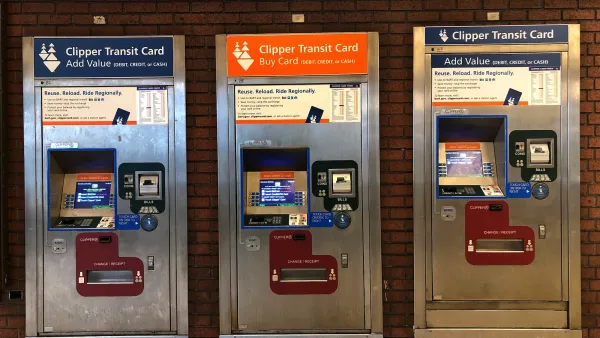
Bay Area transit loses $1M per month on credit card fees
As more people use mobile payments to pay their fares, transit agencies are spending more on transaction fees.
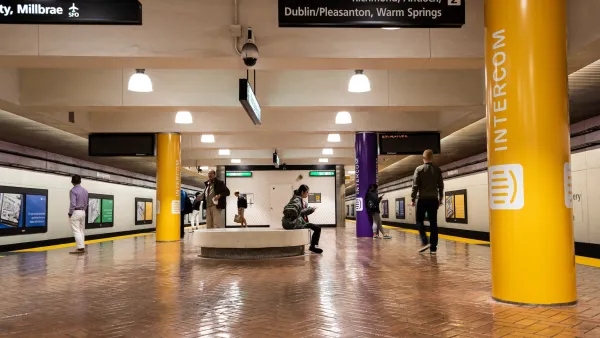
BART Announces Major Service Cuts, Fare Increases in Face of $376M Deficit
If a November ballot measure fails to bring new funding, BART’s ‘alternative service plan’ would reduce frequencies to 30 minutes, raise fares by 30%, and close up to 15 stations.

The state-sanctioned urbicide of Austin
People don’t kill cities. Freeways do.

US to reduce Colorado River water deliveries to Mexico
A new Colorado Treaty amendment reduces Mexico’s Colorado River water allocation by 250,000 acre feet.

New Jersey’s second-largest city bans standalone data centers
Jersey City will continue to allow co-location facilities, such as those meant for research institutions that store their own data.

Amtrak not solely to blame for New Jersey commuter rail's unreliability, report finds
A new study from the Garden State Initiative found that NJ Transit’s budget grew 20% across a 4 year period, but reliability declined significantly over the same period.

EPA erases limits on planet-warming pollution from power plants
Under Monday’s plan, power plants would still have some limits on how much mercury, arsenic and other contaminants they can emit.

Phoenix announces new on-demand transit service, more frequent RAPID buses
Both new services will launch in October, and are part of Phoenix's Project Effective Access Solutions for Easing Congestion.

FREE Course: Walkable City 1: Why Walkability?
After describing his path towards focusing on walkability as the essence of good planning, Jeff Speck marches through his five principal reasons for making more walkable places.
Reinventing Malls: Planning Alchemy—Turning Gray Fields Into Gold
The course focuses on the opportunities and imperatives that shape reinvention of mall sites.

Eagle County Government
Harvard University Graduate School of Design
Nashville Planning Department
The Architects Foundation
University of Cincinnati Online
The Pocatello Development Authority
The Urban Renewal Agency of the City of Pocatello
Journal of the American Planning Association