Using the example of the failed regeneration of Green Bay's downtown led by Victor Gruen, Della Rucker argues that disregarding input from the public can have devastating repercussions.


Rucker makes this argument in relation to recent assertions from architect and planner Andres Duany about the complicating impact of public participation.
"This isn't simply a story about the virtues of historic preservation. Gruen's idea didn't fail because Green Bay wanted old buildings or because the people who lived and worked in those old downtown buildings did something to undermine the plan. Like most people of that era, the majority of the City's leadership and residents placed their faith in the expert and in the concept of progress. Any gut misgivings they may have had were pushed aside. The plan was made by a national expert, right?
Gruen's mall failed because he envisioned and sold an ideal solution without giving any attention to economic realities, and without consideration of the myriad of unforeseen factors and unintended consequences that could, and did, develop. Gruen stood at the beginning of an era, and there was no way anyone could anticipate how the world would change in a few short decades."
Read the full story: Why Duany is Wrong About the Importance of Public Participation

Andrés Duany Wants to Reform The Public Process
Architect and urban innovator Andrés Duany has a new bone of contention: the usurping of the planning process by the public during the approval stage for new projects. Managing Editor Tim Halbur reports from Cambridge, Massachusetts.
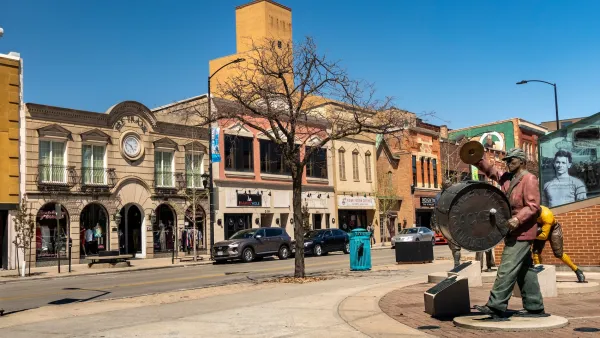
Green Bay set to transform downtown parking lot into 168 housing units
The 2.5-acre property is scheduled to be fully open for business by 2031.
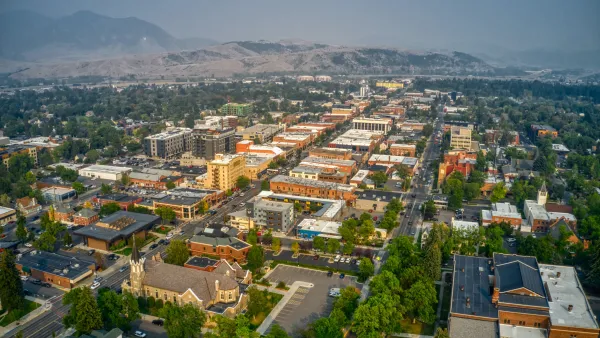
Montana Land Use Reform Overhauls Public Participation Rules
In a bid to streamline housing permits, new state legislation limits public input to the land use planning stage.

Amtrak, CN end decades-long dispute with eight-year agreement
The new operating agreement establishes an updated framework for the companies to work together, including processes to resolve disputes.

Northwest rail fans eager for Sept. 30 debut of Amtrak’s Airo fleet
Get ready for that new train smell and more seats. But they won’t go faster or run more frequently on the Cascades route in Washington and Oregon.

Judges permit Denver to divert 77,000 acre feet from the Colorado River for reservoir expansion
Overuse and climate change have caused the Colorado River’s water levels to plummet.

NYC to turn city-owned property into thousands of homes
The city has scheduled a public hearing regarding the development for October.

Buses travel at 5mph along this route in NYC. The Bronx's first-ever busway looks to change that
Prior to the busway, buses on the Bx36 route traveled as slowly as 5 miles per hour.

Pittsburg launches 'EZ permits,' aims for one-day turnaround for low-risk permits
The pilot ‘fast lane’ for permits is part of a bundle of modernization efforts for Pittsburg’s permitting process.

FREE Course: Walkable City 1: Why Walkability?
After describing his path towards focusing on walkability as the essence of good planning, Jeff Speck marches through his five principal reasons for making more walkable places.
Reinventing Malls: Planning Alchemy—Turning Gray Fields Into Gold
The course focuses on the opportunities and imperatives that shape reinvention of mall sites.

City of Thousand Oaks
City of Wisconsin Rapids
Harvard University Graduate School of Design
The Architects Foundation
University of Cincinnati Online
The Pocatello Development Authority
The Urban Renewal Agency of the City of Pocatello