Reporter Leon Neyfakh digs deep into the architectural battle between New Urbanism and Landscape Urbanism, saying it is a war for the future of our built environment.


Andres Duany speaks openly about the threat he sees from the growing influence of Landscape Urbanism, which aims to prioritize the natural ecology of a site over the built environment. Duany and the New Urbanists say this approach leads to greater sprawl. Charles Waldheim at Harvard is leading the Landscape Urbanism side, and has admitted that it is intended to unseat New Urbanism as the leading thought of the day:
Neyfakh writes:
"The underlying argument between the groups goes beyond the relative merits of density, or the question of whether you should start a planning project with the buildings or with the watershed. It's an argument about whether human beings should adapt to the conditions in which they find themselves, or try to change them. Is sprawl inevitable, or isn't it? At what point does it make sense to come to terms with it and try to find pragmatic, incremental solutions that don't rely on any paradigmatic cultural shift."
Read the full story: Green Building

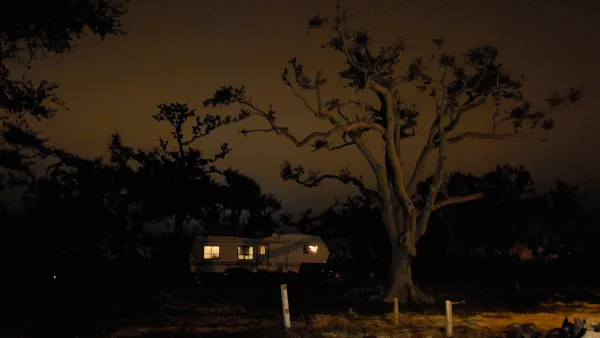
The Katrina Cottage Legacy
The New Urbanist Katrina Cottages initiative for the Gulf Coast appeared to be a failure but their legacy lives on in the SmartDwellings and in the Tiny House movement.
Community is Common Ground for Liberals and Conservatives
Supporters of New Urbanism may live across the political spectrum, but they all want to live in traditional neighborhoods.

'Lean Urbanism' Explained
“Lean urbanism” is the latest buzz-worthy term to enter the discussion on planning and urbanism. A recent article in Atlantic Cities explains the concept—which appeals to the younger generation as well as those with libertarian leanings.

Planetizen Federal Action Tracker
A weekly monitor of how Trump’s orders and actions are impacting planners and planning in America.

Amtrak, CN end decades-long dispute with eight-year agreement
The new operating agreement establishes an updated framework for the companies to work together, including processes to resolve disputes.

Northwest rail fans eager for Sept. 30 debut of Amtrak’s Airo fleet
Get ready for that new train smell and more seats. But they won’t go faster or run more frequently on the Cascades route in Washington and Oregon.

St. Louis Metro to test if single-car trains can reduce operating costs, maintain rider satisfaction
The pilot program will run from October to spring 2027, and begin with one single-car train operating on Metrolink’s Red and Blue lines.

Pennsylvania is building data centers in abandoned mines
Housing data centers in mines provides an alternative to destroying local forests and may spare residents from data centers’ noise and air pollution.

If Corpus Christi can’t revive desalination plant project, it may owe Texas $235 million
Earlier this month, city officials declined to pursue developing the plant for the second time in a year.

FREE Course: Walkable City 1: Why Walkability?
After describing his path towards focusing on walkability as the essence of good planning, Jeff Speck marches through his five principal reasons for making more walkable places.
Reinventing Malls: Planning Alchemy—Turning Gray Fields Into Gold
The course focuses on the opportunities and imperatives that shape reinvention of mall sites.

City of Thousand Oaks
City of Wisconsin Rapids
Harvard University Graduate School of Design
The Architects Foundation
University of Cincinnati Online
The Pocatello Development Authority
The Urban Renewal Agency of the City of Pocatello