This piece from Next American City looks at plans to dramatically rework streetscapes in Boston, and cheers the effort.


"The need for attractive streetscapes is, perhaps, even more relevant now than it was in the 1960s. Walking around the city of Boston, I am often amazed at the condition of the streets, which are often unfriendly to anyone other than drivers. In the last few years, thanks to the pioneering efforts of the Boston Transportation Department (BTD) and other organizations, this has begun to change. But many of the streets here-especially in low-income areas-remain in dire need of a deep makeover.
So I was thrilled to hear about a new "Complete Streets" initiative that is currently being developed by Utile, Inc., an architecture + planning firm located in downtown Boston, and directed by Tim Love."
The project will increase accessibility to the city's streets and create better public areas, writes Jeanne Haffner.
FULL STORY: Street Science: All Eyes on the Street

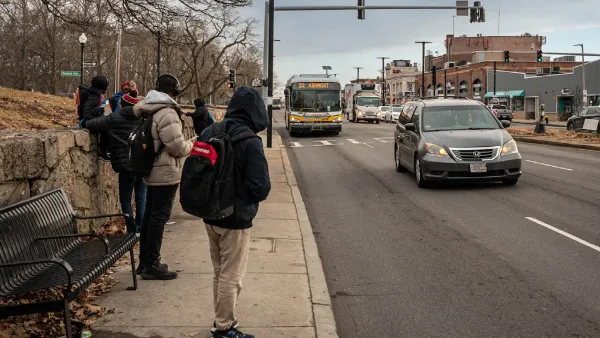
Boston’s Blue Hill Avenue to Get BRT, Safety Improvements
The key bus corridor serves over 37,000 bus riders daily.
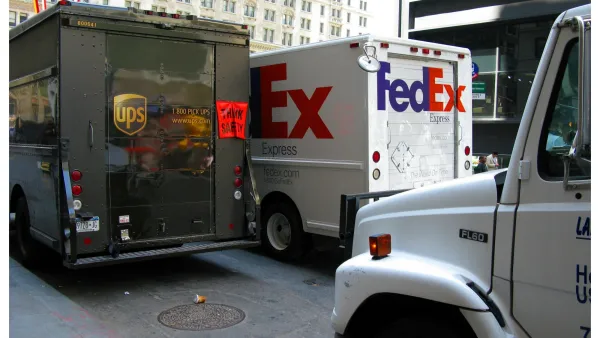
How Street Configuration Impacts Equity
With urban pollution and traffic violence disproportionately affecting communities of color, better management of public space and streets could improve equity in cities.
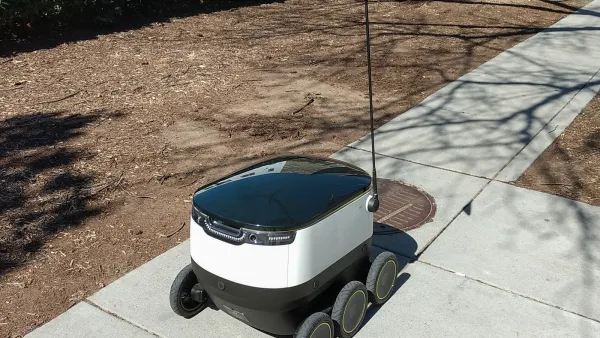
Are Delivery Robots on Their Way to a Neighborhood Near You?
Amazon and FedEx are developing bots that would travel on city streets and sidewalks. The companies are also working behind the scenes on legislative efforts that would help them deploy the technology in the future.

The state-sanctioned urbicide of Austin
People don’t kill cities. Freeways do.

US to reduce Colorado River water deliveries to Mexico
A new Colorado Treaty amendment reduces Mexico’s Colorado River water allocation by 250,000 acre feet.

New Jersey’s second-largest city bans standalone data centers
Jersey City will continue to allow co-location facilities, such as those meant for research institutions that store their own data.

Amtrak not solely to blame for New Jersey commuter rail's unreliability, report finds
A new study from the Garden State Initiative found that NJ Transit’s budget grew 20% across a 4 year period, but reliability declined significantly over the same period.

EPA erases limits on planet-warming pollution from power plants
Under Monday’s plan, power plants would still have some limits on how much mercury, arsenic and other contaminants they can emit.

Phoenix announces new on-demand transit service, more frequent RAPID buses
Both new services will launch in October, and are part of Phoenix's Project Effective Access Solutions for Easing Congestion.

FREE Course: Walkable City 1: Why Walkability?
After describing his path towards focusing on walkability as the essence of good planning, Jeff Speck marches through his five principal reasons for making more walkable places.
Reinventing Malls: Planning Alchemy—Turning Gray Fields Into Gold
The course focuses on the opportunities and imperatives that shape reinvention of mall sites.

Eagle County Government
Harvard University Graduate School of Design
Nashville Planning Department
The Architects Foundation
University of Cincinnati Online
The Pocatello Development Authority
The Urban Renewal Agency of the City of Pocatello
Journal of the American Planning Association