In a part of Staten Island largely developed before formal sewer systems were in place, the effort to address both logistics and environmental issues offers lessons for other urban areas.


"By the 1980s, the lack of underground pipes for sanitary and stormwater sewers had led to failing septic systems, degraded water quality, erosion and flooding. The solution to this problem, twenty years (and counting) in the making, is an inspiring case study of coordinating infrastructural imperatives with ecological priorities."
Urban Omnibus talks with Dana Gumb about the project.
"Dana Gumb has been working on the Staten Island Bluebelt since 1988. He started first with the Department of City Planning and then went on to lead the Bluebelt project at the Department of Environmental Protection (NYC DEP), the agency responsible for the City's water supply - that's 1 billion gallons a day, 7,000 miles of water mains and 7,400 miles of sewer lines. NYC DEP started acquiring property for the Bluebelt in the early 1990s and since 1995 has worked with the water engineering firm Hazen and Sawyer alongside teams of consultants ranging from environmental planners to archaeologists to architects."
Read the full story: The Staten Island Bluebelt: Storm Sewers, Wetlands, Waterways

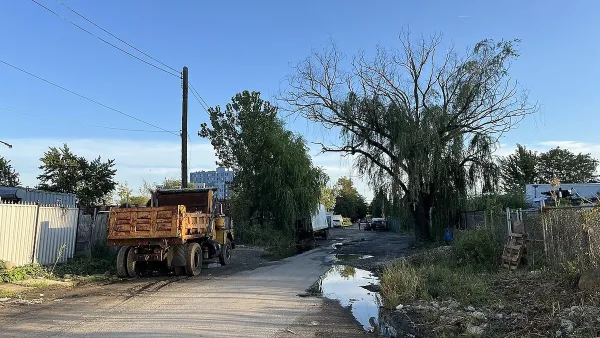
NYC Will Finally Bring Sewer System to Flood-Prone Brooklyn Neighborhood
A 12-block area known as ‘The Hole’ straddling Brooklyn and Queens has struggled with flooding and sewage contamination for decades.
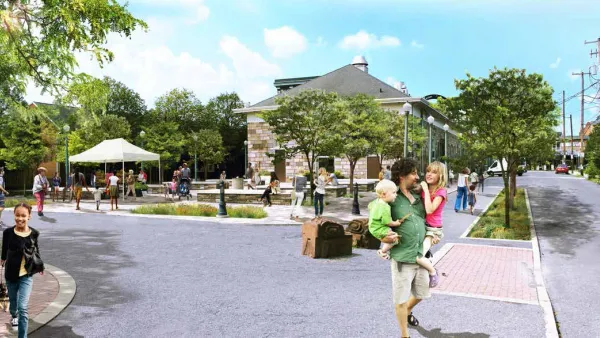
How Peoria Is Putting Green Infrastructure to Work
Peoria's new stormwater farm takes the pressure off its outdated combined sewer system. It's part of a larger effort by the city to align green infrastructure with social equity goals.
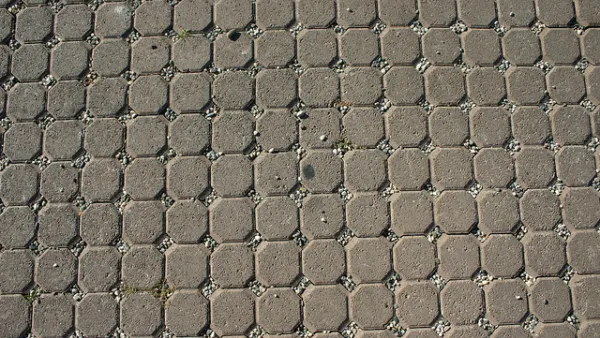
Atlanta Installs Permeable Pavement in Flood-Prone Neighborhoods
These Atlanta neighborhoods stand to gain in the long term from the city's new permeable pavement system and water retention park. But the project has displaced some residents.

Planetizen Federal Action Tracker
A weekly monitor of how Trump’s orders and actions are impacting planners and planning in America.

Amtrak, CN end decades-long dispute with eight-year agreement
The new operating agreement establishes an updated framework for the companies to work together, including processes to resolve disputes.

Judges permit Denver to divert 77,000 acre feet from the Colorado River for reservoir expansion
Overuse and climate change have caused the Colorado River’s water levels to plummet.

Maryland local governments examine if they should have more power to raise property taxes
Maryland’s housing market is out of reach for the majority of moderate-income residents.

Northwest rail fans eager for Sept. 30 debut of Amtrak’s Airo fleet
Get ready for that new train smell and more seats. But they won’t go faster or run more frequently on the Cascades route in Washington and Oregon.

NYC DOT wants faster, more permanent street upgrades
The city is examining ways to build more concrete infrastructure without getting entangled in 'decades-long' projects.

FREE Course: Walkable City 1: Why Walkability?
After describing his path towards focusing on walkability as the essence of good planning, Jeff Speck marches through his five principal reasons for making more walkable places.
Reinventing Malls: Planning Alchemy—Turning Gray Fields Into Gold
The course focuses on the opportunities and imperatives that shape reinvention of mall sites.

Harvard University Graduate School of Design
KFH Group Inc.
Greater Baltimore Committee
The Architects Foundation
University of Cincinnati Online
The Pocatello Development Authority
The Urban Renewal Agency of the City of Pocatello