Responding to a report by the Washington Post that office rents have now topped those in Manhattan, Matt Yglesias says the district's austere zoning is to blame.


Yglesias argues that the perceived aesthetic benefits of building height restrictions are inconsequential compared broader economic development impacts. Forbidden from building up, developers instead build out, sending jobs and residents to the suburbs, he says. The result is fewer retail sales and associated service-sector jobs for low-skill DC residents as well as lost sales and income tax revenue for the city.
In general, cities should be mindful of unintended effects of land use policies, Yglesias writes:
'Rules which mandate that the space be used inefficiently are extremely costly. Sometimes it's a price worth paying-you wouldn't want a city with zero parks-but there are limits to how much it makes sense to sacrifice for aesthetics.'
Read the full story: Yglesias: The High Price of Short Buildings


Boston Approves 700 ft Tall Buildings Downtown
A new rezoning plan raises height limits in some areas for buildings that are mostly residential.

Boston Upzoning Proposal Moves Forward
The Boston Planning Department approved a proposal that would raise allowable building heights in downtown and streamline permitting for small businesses.
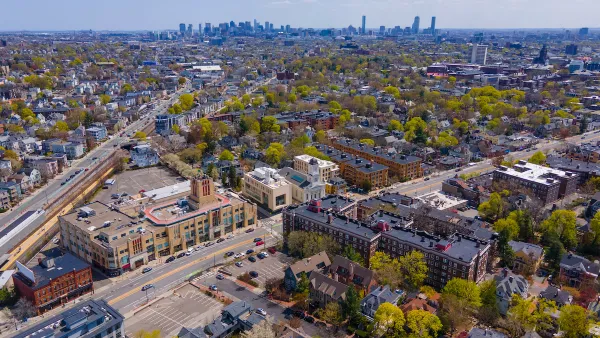
What Is Cambridge’s Affordable Housing Overlay?
A controversial policy is helping create more affordable housing units in the Massachusetts city, but fears of overwhelming density are likely unfounded.

Planetizen Federal Action Tracker
A weekly monitor of how Trump’s orders and actions are impacting planners and planning in America.

‘Going backwards:’ Baltimore mayor, students rally against state's transit funding plan
Maryland's proposed six-year plan provides no funding for Baltimore’s BMORE bus program and reduces its road maintenance funding.

Detroit to transform waterfront with $2.2 billion investment
Developers will convert about 18 acres of unused parking lot space into civic spaces.

Less housing, wasted money: study reveals impact of city parking mandates
The study found that 71% of carless households in the United States pay for a parking space they don’t use.

Minnesota seeks to replace fraud-ridden Housing Stabilization Services with new program
Federal prosecutors have charged over a dozen people in fraud cases involving at least $26 million.

A multi-billion dollar problem is brewing under Oakland’s streets
Oakland’s stormwater drainage systems are in desperate need of upgrades and repairs. The El Niño will only further strain the city’s infrastructure.

FREE Course: Walkable City 1: Why Walkability?
After describing his path towards focusing on walkability as the essence of good planning, Jeff Speck marches through his five principal reasons for making more walkable places.
Reinventing Malls: Planning Alchemy—Turning Gray Fields Into Gold
The course focuses on the opportunities and imperatives that shape reinvention of mall sites.

One Hundred Miles
County of Mendocino
planning NEXT
The Architects Foundation
University of Cincinnati Online
Montrose County
Northern Illinois Transit Authority (NITA)
The Pocatello Development Authority