Who should pay for growth? In the crunchy enclave of Bolinas California, newcomers pay a steep entrance fee. Fair or not, it's a good anecdote to share among planners and budget analysts.


An auction for a water meter Friday will determine the price for growth in the antidevelopment town of Bolinas, 20 miles north of San Francisco. The event is the consequence of a water meter moratorium put in place in 1971.
Since then, longtime Bolinas resident Barbara Rothwell tells the New York Times "the only way a water meter came free was when a house burnt down, or fell off a cliff."
$300,000 sounds like an insane amount of money to pay to hook up one house, but many locals think the water meter is undervalued. If it does not bring big money, some residents may take it as a sign that the relentless development pressures of the last decade have receded.
Read the full story: The Price for Building a Home in This Town: $300,000 Water Meter
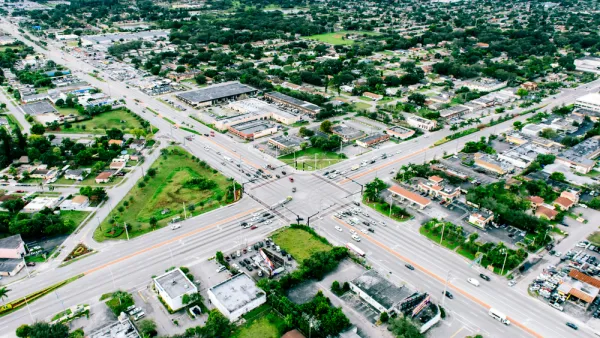
Florida Law Would Change the Definition of ‘Sprawl’
One quick way to build sprawl.
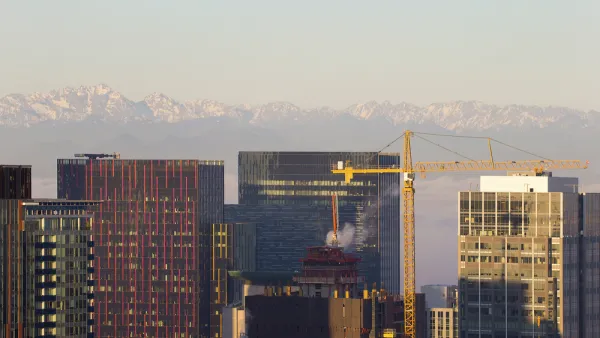
Seattle Ponders a New Approach to Zoning for its Comprehensive Plan Update
The city of Seattle will have an updated comprehensive plan by the end of 2024, with zoning changes to follow by 2025.
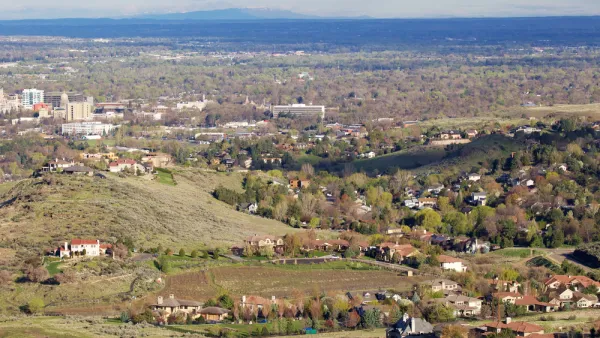
Different Approaches to Fast Growth in Idaho's Treasure Valley
Three cities on the periphery of the fast-growing Treasure Valley showcase different approaches to a sudden influx of newcomers.

Planetizen Federal Action Tracker
A weekly monitor of how Trump’s orders and actions are impacting planners and planning in America.

Eastern Nebraska is running out of electricity
Data centers and electrification are straining eastern Nebraska’s grid, throttling economic development.

Study reveals best places in the U.S. for cycling, walking
New research from Streetlight Data examines bicycle and pedestrian miles per capita in the 100 largest U.S. cities by population.

DSA members accuse Mamdani of 'abandoning values' over housing redevelopment
New York City's mayor plans to replace about 2,000 units of public housing with private, mixed-income housing.

All sides of BRT debate unhappy with CDOT’s most recent move
The Colorado Department of Transportation is no longer considering center-running bus lanes for Colorado Boulevard.

Massachusetts bogs generate both power, and cranberries
Putting solar panels above farmland is one way Massachusetts is advancing toward its goal of net-zero carbon emissions by 2050.

FREE Course: Walkable City 1: Why Walkability?
After describing his path towards focusing on walkability as the essence of good planning, Jeff Speck marches through his five principal reasons for making more walkable places.
Reinventing Malls: Planning Alchemy—Turning Gray Fields Into Gold
The course focuses on the opportunities and imperatives that shape reinvention of mall sites.

City of Rosemead
Rutgers University, Edward J. Bloustein School of Planning and Public Policy
One Hundred Miles
University of Michigan School for Environment and Sustainability (SEAS)
Hunter College, City University of New York (CUNY)
The Architects Foundation
City of Cambridge
The Pocatello Development Authority
The Urban Renewal Agency of the City of Pocatello