The idea of urban farming has gone from fringe to functional, with backyards plots and small infill operations teeming across North America. Lloyd Alter takes a look at the trend.


Writing for Azure Magazine, Alter looks at how urban farming has brought new life to barren plots within cities, and how this new form of farming is providing an economic boost to locals and local economies.
"The relocalization of agriculture can be as simple as a backyard garden for those who have the space, and the allotment or community garden for those who don't. In the Rust Belt of the United States, community gardens are converting abandoned land into productive gardens; Detroit alone has dozens, aimed not only at producing food, but also at creating jobs.
Detroit and other shrinking cities have hectares of land covered with derelict houses where the soil is relatively free of the contaminants found in brownfield sites. Detroit was built on high-quality farmland, and now 27 per cent of the land within municipal boundaries is considered vacant. In 2007, the city's community and family gardens yielded 108 tonnes of produce, funnelled to restaurants, food banks and farmers' markets."
Read the full story: The Urban Farm


Urban Farming Addressing Hunger (and More) in Pittsburgh
Urban farming provides opportunities to increase food security in addition to other benefits.

Lockdown Benefits Urban Farmers In Paris
Pandemic induced lockdown kept Parisians within 1 km of their homes during lockdown, benefiting urban farmers and advocates for a diversified local food supply.
Vertical Farms, Fad or Feast?
Hydroponic indoor farmers hope to charge a premium for plants grown out of season in indoor farms. The notion has generated attention from big investors, but whether or not consumers will follow is an open question.

Planetizen Federal Action Tracker
A weekly monitor of how Trump’s orders and actions are impacting planners and planning in America.
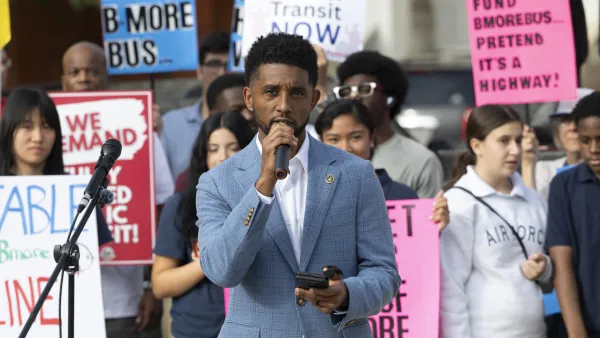
‘Going backwards:’ Baltimore mayor, students rally against state's transit funding plan
Maryland's proposed six-year plan provides no funding for Baltimore’s BMORE bus program and reduces its road maintenance funding.
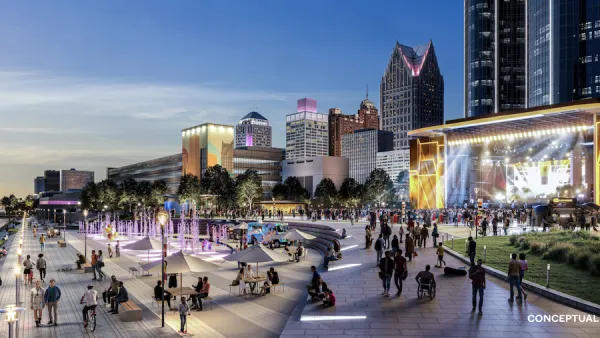
Detroit to transform waterfront with $2.2 billion investment
Developers will convert about 18 acres of unused parking lot space into civic spaces.

Data center developers are using lawsuits, cash offers to ‘overwhelm’ rural America
Newsrooms in five states worked together to uncover the tactics big tech developers use to buy land from reluctant communities.

U.S.-Iran war may have ‘devastating’ impact on cost to warm homes
Vermont and Maine residents may see a 76% increase in the cost of warming their homes this winter.

Senate bill would ‘overhaul’ environmental permitting laws
Under the proposed act, government agencies would also not be able to suspend or rescind permits after granting them.

FREE Course: Walkable City 1: Why Walkability?
After describing his path towards focusing on walkability as the essence of good planning, Jeff Speck marches through his five principal reasons for making more walkable places.
Reinventing Malls: Planning Alchemy—Turning Gray Fields Into Gold
The course focuses on the opportunities and imperatives that shape reinvention of mall sites.

One Hundred Miles
County of Mendocino
planning NEXT
The Architects Foundation
University of Cincinnati Online
Montrose County
Northern Illinois Transit Authority (NITA)
The Pocatello Development Authority