In a world increasing concerned with reducing global warming, people and nations are embracing trains as an alternative to cars and planes because of their reduced carbon footprint. However, cost and time remain critical factors for travelers.


Trains have always been popular in parts of the world. In this article, CNN shows how the 'green' aspect of train travel has increased their popularity around the world, and yes, even the U.S.
"Faced with global climate change, many around the globe -- from governments to companies to individuals -- have also warmed to train travel.
Traveling by rail is on average three to 10 times less CO2-intensive compared to road or air transport, according to the UIC, a Paris-based international organization of the railway sector.
Meanwhile the Boston Consulting Group estimates that by 2020 passengers will be able to travel faster point-to-point by high-speed rail than by plane on nearly half of Europe's densest air routes."
Thanks to Leonard Conly
Read the full story: World warming to greener train travel

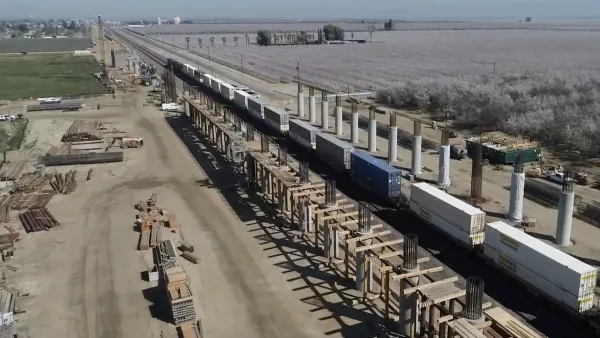
California HSR Could Be Up and Running by 2033
A newly restructured leadership promises to speed up the arduous construction process and start running trains in five to eight years.

Is China’s High-Speed Rail Boom Unsustainable?
The country is building tens of thousands of miles of rail service that is expensive to maintain and, in some cases, redundant.
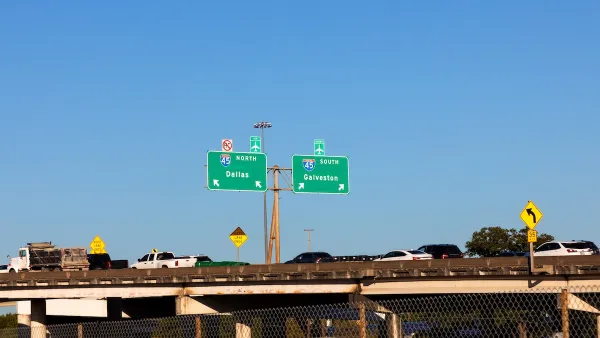
Texas High-Speed Rail Plan Calls for Eminent Domain
The proposed rail line would link Dallas and Houston via a 90-minute trip.

Planetizen Federal Action Tracker
A weekly monitor of how Trump’s orders and actions are impacting planners and planning in America.

Data reveals that NYC’s bet on congestion pricing has paid off
After almost two years of the program, reports show positive impacts on traffic and air quality and no disruptions to parking.

HUD modernizes 50-year-old manufactured housing framework
The Next Generation Manufactured Housing Action Plan establishes new energy-efficiency standards for manufactured homes, and new guidelines for anchoring them.

Developers sue Mississippi landowners who object to pipeline through their land
Because the Federal Energy Regulatory Commission approved the pipeline project, the developer can use private land without the consent of the owner.

A gas leak in NYC is costing residents $300 million
More than 90% of NYC’s electricity is from natural gas. About 2% of that gas is leaking and escaping into the air.

CA officials have the power to fix the state’s riskiest dams. They’ve never used it
California’s 40 most hazardous dams would endanger up to 1.5 million people if they failed.

FREE Course: Walkable City 1: Why Walkability?
After describing his path towards focusing on walkability as the essence of good planning, Jeff Speck marches through his five principal reasons for making more walkable places.
Reinventing Malls: Planning Alchemy—Turning Gray Fields Into Gold
The course focuses on the opportunities and imperatives that shape reinvention of mall sites.

One Hundred Miles
County of Mendocino
planning NEXT
The Architects Foundation
University of Cincinnati Online
Montrose County
Northern Illinois Transit Authority (NITA)
The Pocatello Development Authority