As climate talks start and stop in Copenhagen, Anthony Flint argues for local action by affecting the built environment. He calls for more infill redevelopment, saying "we need more city".


"Well-designed, walkable, mixed-use, transit-oriented development is more important than all the hybrid taxis and green roofs the city could require.
The urban fabric is a key weapon against climate change. Cities allow us to walk, ride a bike, and take transit. "Growing Cooler,'' a study by SmartGrowth America and the Urban Land Institute, showed that compact development - basically, being able to live, work, and shop within a 20-minute radius - can reduce vehicle miles traveled by as much as 30 percent. There is still much empirical analysis to be done on the relationship between the built environment and greenhouse gas emissions, but walking to the corner store for a gallon of milk is one of the greenest contributions any of us can make."
Read the full story: Filling in the gaps in the city


How SB 827 'Cleaved the California Environmental Movement'
Even before the bill was defeated, it exposed a major generational divide between anti-development environmentalists and their pro-density, pro-housing heirs.
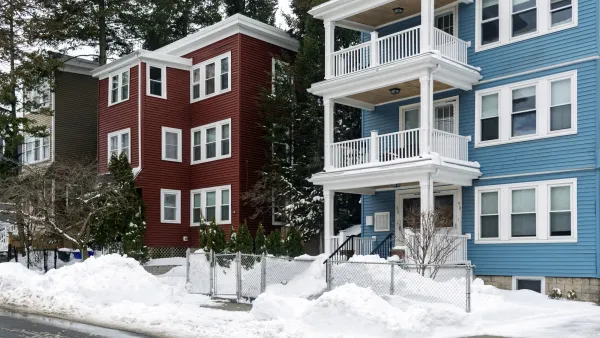
Boston's 'sliver lots' could yield over 1,500 affordable homes
The city has identified over 500 vacant parcels suitable for infill housing.
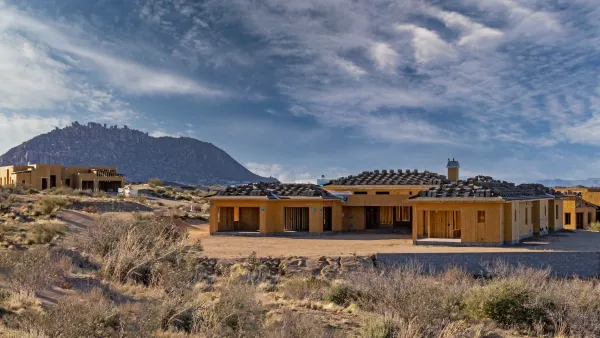
Planning Trends for 2026: States and Cities Take Initiative, Passenger Rail Gains Steam, and the Costs of AI Revealed
With federal funding for everything from transportation projects to housing assistance under threat, city and state governments are poised to take a stronger role in building strong, resilient local economies and public services.

Amtrak, CN end decades-long dispute with eight-year agreement
The new operating agreement establishes an updated framework for the companies to work together, including processes to resolve disputes.

Northwest rail fans eager for Sept. 30 debut of Amtrak’s Airo fleet
Get ready for that new train smell and more seats. But they won’t go faster or run more frequently on the Cascades route in Washington and Oregon.

Judges permit Denver to divert 77,000 acre feet from the Colorado River for reservoir expansion
Overuse and climate change have caused the Colorado River’s water levels to plummet.

NYC to turn city-owned property into thousands of homes
The city has scheduled a public hearing regarding the development for October.

Buses travel at 5mph along this route in NYC. The Bronx's first-ever busway looks to change that
Prior to the busway, buses on the Bx36 route traveled as slowly as 5 miles per hour.

Pittsburg launches 'EZ permits,' aims for one-day turnaround for low-risk permits
The pilot ‘fast lane’ for permits is part of a bundle of modernization efforts for Pittsburg’s permitting process.

FREE Course: Walkable City 1: Why Walkability?
After describing his path towards focusing on walkability as the essence of good planning, Jeff Speck marches through his five principal reasons for making more walkable places.
Reinventing Malls: Planning Alchemy—Turning Gray Fields Into Gold
The course focuses on the opportunities and imperatives that shape reinvention of mall sites.

City of Thousand Oaks
City of Wisconsin Rapids
Harvard University Graduate School of Design
The Architects Foundation
University of Cincinnati Online
The Pocatello Development Authority
The Urban Renewal Agency of the City of Pocatello