Back in 1971, Alvin Duskin mounted an all-out campaign to limit buildings in San Francisco to 72 feet. Today, he is one of many Bay Area activists reconsidering density.


"We really didn't understand the consequences of mindless suburban sprawl," he says now. "The environmental and psychological damage of spreading out like that is so severe ... the problem for planners is to raise the city's density without creating a destructive environment. We need cities for people, not cars."
Read the full story: 1971 high-rise hater Duskin still standing tall
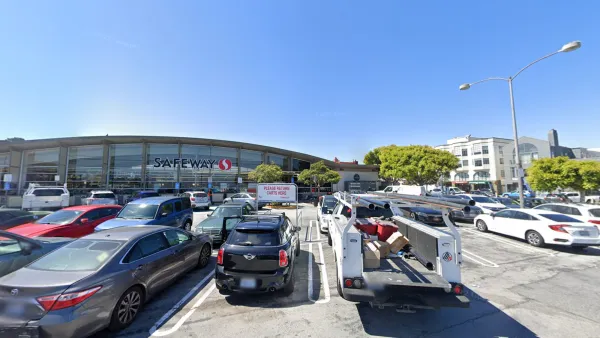
Debate over proposed 800-unit tower in San Francisco reveals generational divide in the housing crisis
Residents of the Marina District are up in arms over a proposed housing development above a Safeway store.
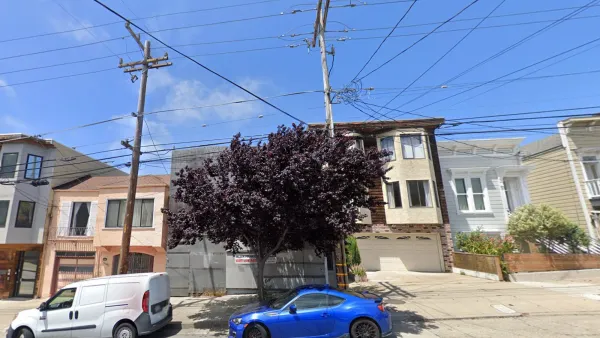
8-story tower is San Francisco's first project approved under new upzoning rules
Some neighbors call the project out of scale for the area, which has not grown beyond two- and three-story buildings in decades.

San Francisco's 1971 Urban Design Plan Echoes Today's Concerns
A 1971 effort to quantify the city's values and design goals reflects many of the same priorities that planners and residents face today.

Planetizen Federal Action Tracker
A weekly monitor of how Trump’s orders and actions are impacting planners and planning in America.

Washington state to charge fee to drivers with fuel-efficient cars
Revenue from the fee will go towards supporting the state’s highways.

Illinois considers spending $1 billion in taxpayer money on data center
A quantum computing campus and data center are currently under construction in Chicago.

Senate passes bill overhauling permitting
The bill still needs to pass the House.

Did data centers change how voters cast their ballots?
Texas, Ohio, and Georgia all flipped party control. But in rural counties, the effect of local data centers was mixed.

Amtrak invests in eight new Airo trainsets
The new trainsets will begin serving passengers in 2031.

FREE Course: Walkable City 1: Why Walkability?
After describing his path towards focusing on walkability as the essence of good planning, Jeff Speck marches through his five principal reasons for making more walkable places.
Reinventing Malls: Planning Alchemy—Turning Gray Fields Into Gold
The course focuses on the opportunities and imperatives that shape reinvention of mall sites.

City of Charlotte
City of Rosemead
Rutgers University, Edward J. Bloustein School of Planning and Public Policy
University of Michigan School for Environment and Sustainability (SEAS)
Hunter College, City University of New York (CUNY)
The Architects Foundation
University District Partnership