An announcement by India that it won't reduce its carbon emissions is sure to capture the attention of climate treaty and energy legislation opponents in the Congress.


While environmental advocates hailed the passage of the Waxman-Markey Energy Bill ("American Clean Energy and Security Act") by Congress on June 26 by a mere 7 votes, developments in India foretell the difficulties ahead in passing domestic legislation to tackle a global problem.
"India said it will reject any new treaty to limit global warming that makes the country reduce greenhouse-gas emissions because that will undermine its energy consumption, transportation and food security. However, it offered to contain CO2 emissions per capita below those of developed nations.
India, the second-most populous nation, only emits 4.6 percent of the global carbon-dioxide emissions, while the U.S. produces 20.9 percent, he said. Asia's third-biggest economy in June unveiled a plan to form eight commissions to improve energy efficiency and mitigate the impact of climate change."
Thanks to John Blair
FULL STORY: India Rejects Any Greenhouse-Gas Cuts Under New Climate Treaty

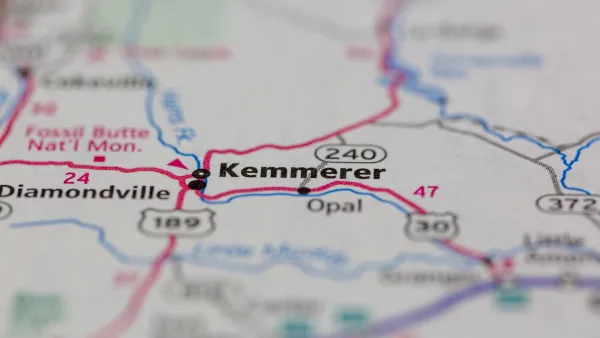
Nation's First Nuclear Power Plant in Nearly Half a Century Breaks Ground in Wyoming
Microsoft co-founder Bill Gates had shovel-in-hand for the groundbreaking of his company's small-scale nuclear power plant in Kemmerer, Wyoming, on June 10.
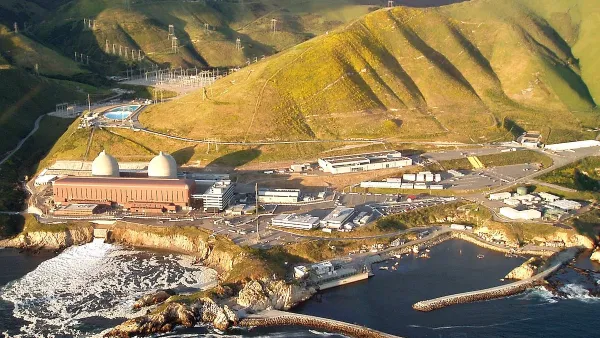
California's Lone Operating Nuclear Plant Gets Five-Year Extension
The Pacific Gas and Electric Company's Diablo Canyon Nuclear Power Plant received approval from the California PUC to operate its two reactors until 2029 and 2030. Five days later, the NRC issued a temporary license renewal.
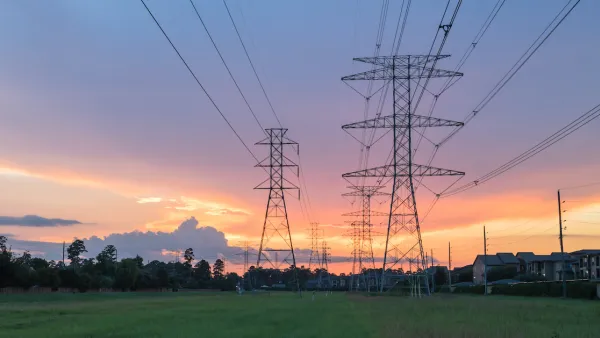
Energy Reliability on the Ballot in Texas
Texans will decide on November 7 whether to subsidize electricity generation to strengthen the power grid to prevent blackouts, but only with the construction of new natural gas power plants.

The state-sanctioned urbicide of Austin
People don’t kill cities. Freeways do.

US to reduce Colorado River water deliveries to Mexico
A new Colorado Treaty amendment reduces Mexico’s Colorado River water allocation by 250,000 acre feet.

New Jersey’s second-largest city bans standalone data centers
Jersey City will continue to allow co-location facilities, such as those meant for research institutions that store their own data.

Amtrak not solely to blame for New Jersey commuter rail's unreliability, report finds
A new study from the Garden State Initiative found that NJ Transit’s budget grew 20% across a 4 year period, but reliability declined significantly over the same period.

EPA erases limits on planet-warming pollution from power plants
Under Monday’s plan, power plants would still have some limits on how much mercury, arsenic and other contaminants they can emit.

Phoenix announces new on-demand transit service, more frequent RAPID buses
Both new services will launch in October, and are part of Phoenix's Project Effective Access Solutions for Easing Congestion.

FREE Course: Walkable City 1: Why Walkability?
After describing his path towards focusing on walkability as the essence of good planning, Jeff Speck marches through his five principal reasons for making more walkable places.
Reinventing Malls: Planning Alchemy—Turning Gray Fields Into Gold
The course focuses on the opportunities and imperatives that shape reinvention of mall sites.

Eagle County Government
Harvard University Graduate School of Design
Nashville Planning Department
The Architects Foundation
University of Cincinnati Online
The Pocatello Development Authority
The Urban Renewal Agency of the City of Pocatello
Journal of the American Planning Association