Environmentalists in Berkeley and Oakland are realizing that the inner-city development they protested in the past is actually more eco-friendly than the alternative.


The East Bay Area is a bastion of environmental groups and green consciousness. But until recently, many of the same groups protecting the environment were protesting new home construction, especially apartments and condominiums. The East Bay Weekly explains how the definition of "eco-friendly" is changing in California.
"Environmentalists who think globally say suburban sprawl and the destruction of rural farmland must stop. Indeed, the threat of the coming global warming crisis makes the growth of urban areas an imperative. And some activists who have fought developers for years are now embracing them and calling for so-called "smart growth" or "infill development" - dense urban housing near mass transit. And they note that downtown Berkeley and Oakland, along with the major transportation corridors between the two cities, are nearly perfect for transit-oriented development."
Read the full story: You're Not an Environmentalist If You're Also a NIMBY
Chinese Government Responds to Growing NIMBYism
For the last 30 years, China has led the world in economic growth at a hefty environmental price. Widespread protests have prompted the cabinet of China to mandate a "social risk assessment" for industrial projects, reports Keith Bradsher.

This MA town is drowning in its own sewage — and residents like it that way
Susan Murcott, a waste water expert, said if Carlisle didn't address their leaking sewage, the problem could turn “deadly.”
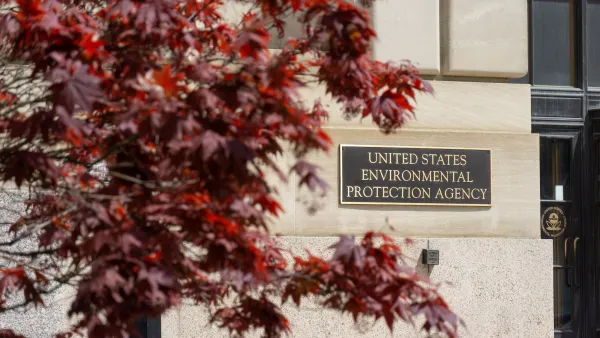
Trump's proposed budget slashes EPA funding by 52%
The budget also reduces funding for FEMA, climate resilience projects, and water infrastructure programs.

Planetizen Federal Action Tracker
A weekly monitor of how Trump’s orders and actions are impacting planners and planning in America.

Eastern Nebraska is running out of electricity
Data centers and electrification are straining eastern Nebraska’s grid, throttling economic development.

Move over, LA: St. Louis gears up for Olympics, invests millions in downtown redevelopment
The Missouri city will host the 2028 Olympic soccer group stage and knockout matches.

Dallas releases zoning code overhaul to officials
The drafted overhaul is over 400 pages long.

NYC renovations for dangerous, ‘mercilessly crammed’ street delayed until 2027
Construction was supposed to begin this fall.

San Diego’s Midway Rising project gets greenlight from city council
The project looks to become the largest affordable housing development in California's history.

FREE Course: Walkable City 1: Why Walkability?
After describing his path towards focusing on walkability as the essence of good planning, Jeff Speck marches through his five principal reasons for making more walkable places.
Reinventing Malls: Planning Alchemy—Turning Gray Fields Into Gold
The course focuses on the opportunities and imperatives that shape reinvention of mall sites.

City of Rosemead
Rutgers University, Edward J. Bloustein School of Planning and Public Policy
One Hundred Miles
University of Michigan School for Environment and Sustainability (SEAS)
Hunter College, City University of New York (CUNY)
The Architects Foundation
City of Cambridge
The Pocatello Development Authority
The Urban Renewal Agency of the City of Pocatello