NeighborhoodScout.com used GIS and FBI data from 17,000 local law enforcement agencies to compile its list of the 25 worst neighborhoods for crime in the country.


In the methodology section, researchers explain why it's important to get down to the neighborhood level:
"Why neighborhoods and not cities? Even the cities with the highest crime rates in America can have relatively safe neighborhoods, and thus it is less useful to generalize about an entire city."
So where's the worst neighborhood? Would you believe it's in Ohio? In Cincinnati zip codes 45210 and 45214, you stand a 1 in 4 chance of being a victim of a violent crime over the course of a year.
Read the full story: 25 Most Dangerous Neighborhoods

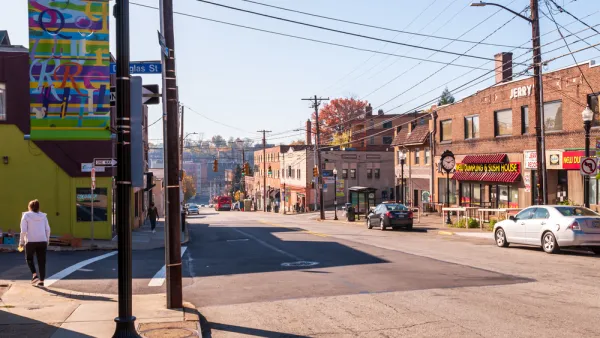
Another Fun Neighborhood Analysis Toy
A Trulia feature offers lots of interesting information about neighborhoods (or at least about how their residents perceive them).
'Death Wish' and the Life of Great American Cities
City streets need only few things to make them safe, according to the famous urbanist Jane Jacobs. She says safe streets need people walking around, places for them to go, things for them to do and other people for them to interact with. Simple as that. But Jane forgot one more thing: a sock full of quarters.
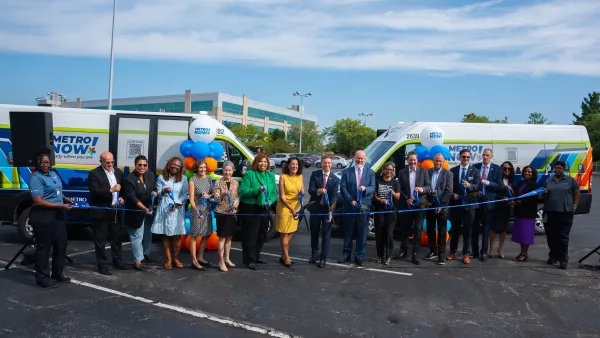
Three agencies expanding on-demand transit
Multiple states across America increasing access to flexible public transportation.

Planetizen Federal Action Tracker
A weekly monitor of how Trump’s orders and actions are impacting planners and planning in America.

‘Going backwards:’ Baltimore mayor, students rally against state's transit funding plan
Maryland's proposed six-year plan provides no funding for Baltimore’s BMORE bus program and reduces its road maintenance funding.

Detroit to transform waterfront with $2.2 billion investment
Developers will convert about 18 acres of unused parking lot space into civic spaces.

Senate bill would ‘overhaul’ environmental permitting laws
Under the proposed act, government agencies would also not be able to suspend or rescind permits after granting them.

Exemption applications for NYC’s pied-à-terre tax see 55% success rate
The city sent nearly 40% of its initial pied-à-terre tax warnings erroneously.

MTA invests $1.1 billion in ‘nearly-impossible’-to-evade fare gates
The new technology marks the Metropolitan Transit Authority's first turnstile redesign in decades.

FREE Course: Walkable City 1: Why Walkability?
After describing his path towards focusing on walkability as the essence of good planning, Jeff Speck marches through his five principal reasons for making more walkable places.
Reinventing Malls: Planning Alchemy—Turning Gray Fields Into Gold
The course focuses on the opportunities and imperatives that shape reinvention of mall sites.

One Hundred Miles
County of Mendocino
planning NEXT
The Architects Foundation
University of Cincinnati Online
Montrose County
Northern Illinois Transit Authority (NITA)
The Pocatello Development Authority