VP Biden, on NBC's 'Today Show' April 30, told viewers he would tell his family to stay off planes and subways because of fear of infection by swine flu virus. Medical experts were quick to disagree, and his office had to issue a retraction.


Asked whether he'd advise his family against a trip to Mexico, the vice president said: "It's not just going to Mexico, if you're any place in a confined aircraft and one person sneezes it goes all the way through the aircraft. That's me. I would not be at this point, if they had another way of transportation, suggesting they ride the subway."
New York Mayor Michael R. Bloomberg, asked about Mr. Biden's remarks at a news conference Thursday morning, declined to criticize the vice president.
"This flu does not seem to be taking over the city and so there's no evidence that being on the subway would, in a confined space, increase dramatically the probability," Mr. Bloomberg said, noting that he rides the subway everyday. "I don't see people coughing or sneezing on the subway. I don't see people complaining."
From NPR: Biden Clarifies Travel Comments: "The clarification was fast in coming" . Video has the original excerpt from the Today Show, and a medical expert refuting the VP's assertions. Also interviewed is NYC Mayor Bloomberg, and Jet Blue representative who was more forthcoming.
Thanks to NYTimes.com's Politics newsletter
Read the full story: Biden’s Advice to Stay Off Planes, Subways

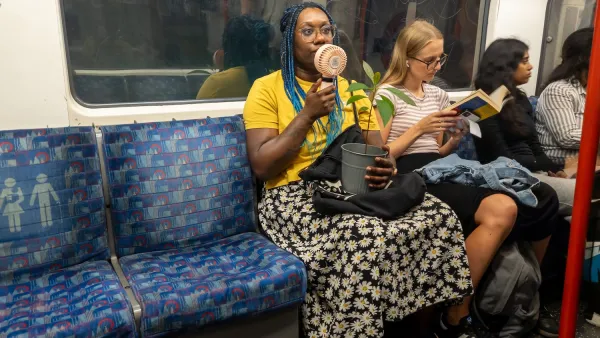
Temperatures in Subways Can Soar Well Above 100. What Some Cities are Doing About it.
Extreme heat can be even more dangerous in confined subway cars and stations.
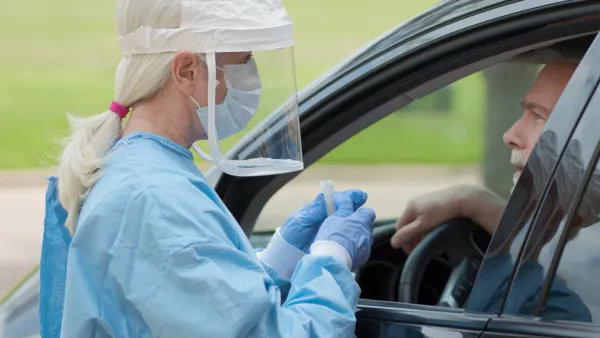
Coronavirus Vaccine Could be Available by End of the Year, But...
Dr. Anthony Fauci, who is helping to lead the Trump administration's response to the pandemic, shared positive news with CNN on the progress of the vaccine project but admitted that due to two factors, it is likely not to achieve herd immunity.
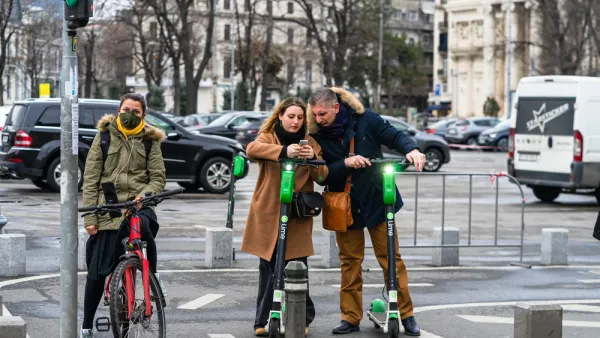
Coronavirus Declared a Pandemic. What Does That Mean?
The director-general of the World Health Organization announced on Wednesday that the COVID-19 viral disease that has killed more than 4,000 people, infected nearly 120,00 people and is present in 114 nations is a pandemic.

Amtrak, CN end decades-long dispute with eight-year agreement
The new operating agreement establishes an updated framework for the companies to work together, including processes to resolve disputes.

Judges permit Denver to divert 77,000 acre feet from the Colorado River for reservoir expansion
Overuse and climate change have caused the Colorado River’s water levels to plummet.
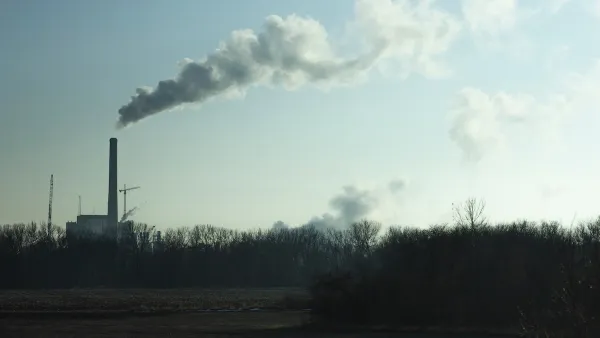
Nation's most wind-powered state turns to coal as data centers increase energy demand
For the first time in decades, Iowa has increased its generation of coal power.

Boston has spent millions making the Green Line more accessible — and there’s no end in sight
While the city has invested millions into expanding and adding platforms to the Green Line to make it more accessible, new train cars set to arrive next year will be too tall for disabled passengers to board without raising the current platforms.

Idaho may see an 18% drop in federal surface transit funding — the largest estimated cut in the US
Transit systems in rural communities are much more reliant on federal funding to provide their services.

How ‘post-disaster gentrification’ alters neighborhoods after natural calamities
After hurricanes, fires or other calamities, the original residents of a community are often replaced by younger, wealthier residents.

FREE Course: Walkable City 1: Why Walkability?
After describing his path towards focusing on walkability as the essence of good planning, Jeff Speck marches through his five principal reasons for making more walkable places.
Reinventing Malls: Planning Alchemy—Turning Gray Fields Into Gold
The course focuses on the opportunities and imperatives that shape reinvention of mall sites.

City of Wisconsin Rapids
Harvard University Graduate School of Design
KFH Group Inc.
The Architects Foundation
University of Cincinnati Online
The Pocatello Development Authority
The Urban Renewal Agency of the City of Pocatello