The municipal demand for water in Oregon is expected to increase by more than 61% by 2050, and many policymakers there are trying to figure out how to meet that growing demand.


"In a state that boasts about webbed feet, access to water is increasingly contested. The state estimates that in the coming years, demand will grow by 1.2 million acre-feet; we use about 9 million acre-feet now. Whoever controls the limited supply will control new housing and industry and how farming expands."
"Water is measured in acre-feet -- the amount that covers an acre to a depth of 1 foot -- and gallons. Oregonians use about 70 million gallons a day to drink, bathe and cook. Portland uses 136 gallons a day per person."
"Every product made in the state, from canned peaches to silicon wafers, takes water. The state lights up on power generated thanks to water."
"And now fish have arrived as a demanding customer. Powerful interests from federal judges to national environmental groups insist that more water be left in rivers for fish. That means less water for some at a time when people are demanding more."
Read the full story: Oregon's water issues run deep


Newsom vetoes giving CA tribes greater voice in water projects
In his veto letter, Newsom said the bill would add ‘uncertainty’ to the state’s fight to secure Californians’ water supplies.
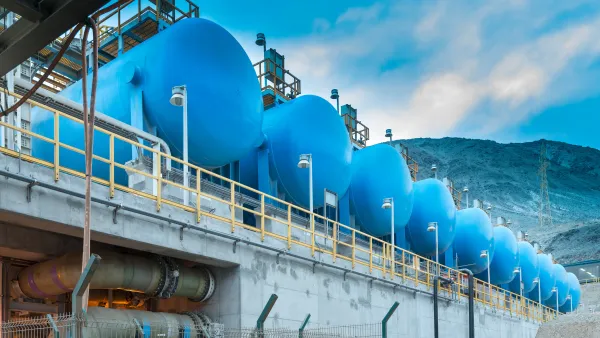
To guarantee residents fresh water, Tijuana looks to the sea
Construction on one of the largest desalination plants in Latin America will soon break ground to reduce reliance on the dwindling Colorado river.
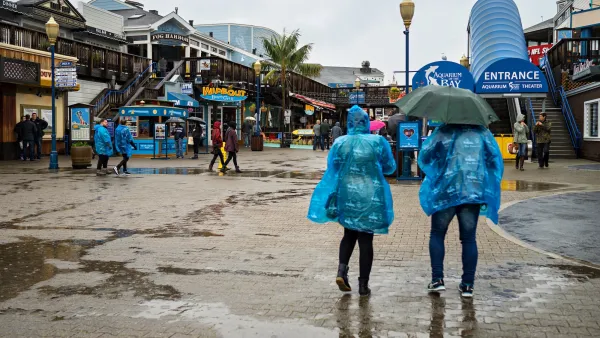
Rain gardens keep up to 99% of pollutants out of San Francisco Bay
The city's roadside rain gardens soak up stormwater and filter out dozens of harmful micropollutants.

Planetizen Federal Action Tracker
A weekly monitor of how Trump’s orders and actions are impacting planners and planning in America.

Data reveals that NYC’s bet on congestion pricing has paid off
After almost two years of the program, reports show positive impacts on traffic and air quality and no disruptions to parking.

HUD modernizes 50-year-old manufactured housing framework
The Next Generation Manufactured Housing Action Plan establishes new energy-efficiency standards for manufactured homes, and new guidelines for anchoring them.

Small single-family homes are illegal in most of MA. Voters can change that
Most land zoned for single-family housing in Massachusetts requires at least 40,000 square feet of land per house.

Public steps inside U.S.’s first battery-powered train
Metra’s groundbreaking train feature modern seats and a futuristic battery car.

Companies show off AI technology, new innovation hubs at APTA Expo
Nearly 700 companies attended the American Public Transportation Association’s Expo last week, which happens once every three years.

FREE Course: Walkable City 1: Why Walkability?
After describing his path towards focusing on walkability as the essence of good planning, Jeff Speck marches through his five principal reasons for making more walkable places.
Reinventing Malls: Planning Alchemy—Turning Gray Fields Into Gold
The course focuses on the opportunities and imperatives that shape reinvention of mall sites.

One Hundred Miles
County of Mendocino
planning NEXT
The Architects Foundation
University of Cincinnati Online
Montrose County
Northern Illinois Transit Authority (NITA)
The Pocatello Development Authority