Smart rates that reflect the variability of energy demand will be an essential aspect of smart electricity grid, according to experts. To get there, states will have to make some changes.


"The improvements, backers say, will change nearly every part of the nation's aging power transmission system – from how power plants distribute power to how consumers use it at home."
"The idea behind a smart grid – parts of which are already being introduced in Los Angeles, Boulder, Colo. and Austin, Texas – is to install devices that, working together, can save energy by increasing efficiency, reduce blackouts and cut customers' bills."
"But for the plans to succeed, state regulators must overhaul the rules they have used for decades to determine electric rates.
'You can't have a smart grid and dumb rates. We have been used to – for over 100 years – rates that are the same all day, every day. That's not the way electricity is produced,' Butler said."
FULL STORY: Smart grid's growth now depends on states

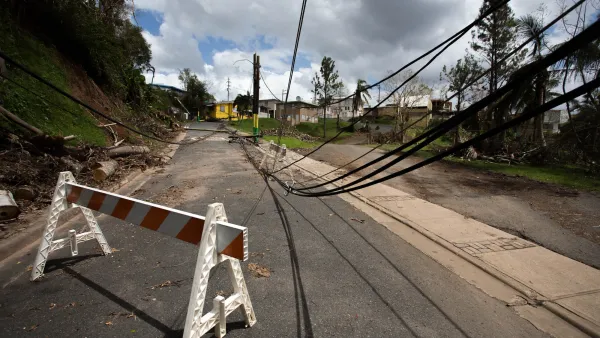
Bad Bunny's Iconic Electrical Pole Moment Highlights Puerto Rico’s Devastating Power Outages
The Reggaeton star’s halftime show included countless nods to his homeland, including a reference to the island’s ongoing power crisis.

Oregon Approves Ambitious Framework for ’Microgrids’
Local energy “islands” within the larger power system ensure key facilities can remain online during emergencies and power outages.

California Faces Intense Heat Wave, Power Shutoffs
The state is bracing for a heat dome that will bring temperatures into the 120s and little nighttime relief.

The state-sanctioned urbicide of Austin
People don’t kill cities. Freeways do.

US to reduce Colorado River water deliveries to Mexico
A new Colorado Treaty amendment reduces Mexico’s Colorado River water allocation by 250,000 acre feet.

New Jersey’s second-largest city bans standalone data centers
Jersey City will continue to allow co-location facilities, such as those meant for research institutions that store their own data.

Amtrak not solely to blame for New Jersey commuter rail's unreliability, report finds
A new study from the Garden State Initiative found that NJ Transit’s budget grew 20% across a 4 year period, but reliability declined significantly over the same period.

EPA erases limits on planet-warming pollution from power plants
Under Monday’s plan, power plants would still have some limits on how much mercury, arsenic and other contaminants they can emit.

Phoenix announces new on-demand transit service, more frequent RAPID buses
Both new services will launch in October, and are part of Phoenix's Project Effective Access Solutions for Easing Congestion.

FREE Course: Walkable City 1: Why Walkability?
After describing his path towards focusing on walkability as the essence of good planning, Jeff Speck marches through his five principal reasons for making more walkable places.
Reinventing Malls: Planning Alchemy—Turning Gray Fields Into Gold
The course focuses on the opportunities and imperatives that shape reinvention of mall sites.

Eagle County Government
Harvard University Graduate School of Design
Nashville Planning Department
The Architects Foundation
University of Cincinnati Online
The Pocatello Development Authority
The Urban Renewal Agency of the City of Pocatello
Journal of the American Planning Association