With a recent infusion of $44 million and hopes for more from the federal stimulus package, regional light rail is gathering momentum in Detroit. Advocates see more than mobility in the struggling city's future.


"The first link in that potential system got a major boost last week when the Kresge Foundation and Detroit's Downtown Development Authority pledged a combined $44 million to the proposed M1-RAIL light-rail line on Woodward in Detroit."
"The potential is big. Beyond actually moving people from place to place, regional transit systems tend to spur nearby creation of residential, retail and other development. The regional transit plan being considered for southeast Michigan envisions 30,000 new jobs, $1.4 billion in annual payroll and almost 11,000 housing units built near the transit lines, as well as boosted retail sales and other benefits, all spurred by the year 2035 if a regional transit system is built."
"Momentum is building. In addition to the big pledges last week, Congress approved a $950,000 earmark for a Detroit-Ann Arbor route, and regional leaders expressed hope late last week that some of the federal stimulus money could go toward a regional transit system."
Read the full story: Dream of regional rail transit nears reality
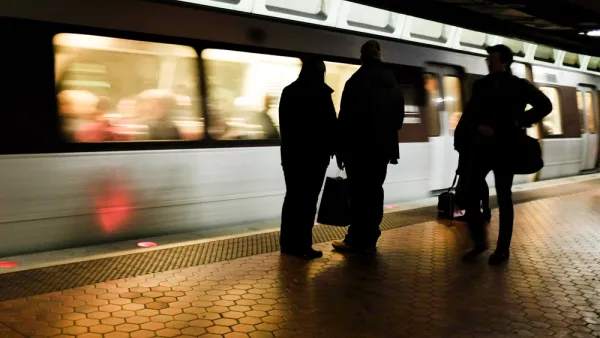
Southern Maryland Rapid Transit Proposal Moves Forward
The state assembly has asked the department of transportation to begin research and planning for a rapid transit line that would connect residents with jobs in Washington, D.C. and reduce traffic congestion in the region.
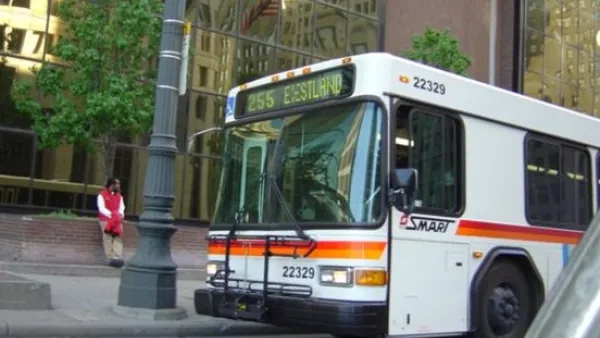
Opinion: Detroit Area Stunted by Lack of Regional Transit
Improved connectivity and reliability in the region's public transit could stimulate growth and help build a more vibrant local economy.
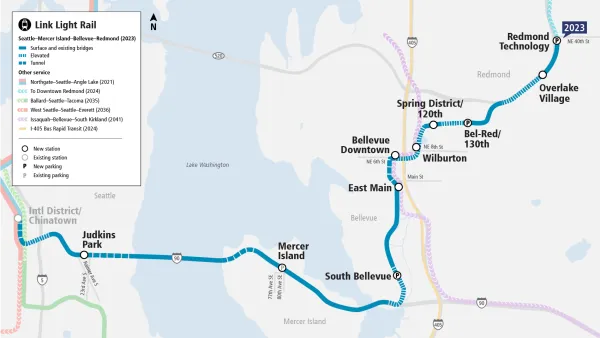
East Link Light Rail Plans Provoke Controversy in Seattle Suburb
A proposal to link local and regional buses with the East Link light rail expansion in Mercer Island, already under construction, threatens to boil over into the courtroom.

Planetizen Federal Action Tracker
A weekly monitor of how Trump’s orders and actions are impacting planners and planning in America.

Eastern Nebraska is running out of electricity
Data centers and electrification are straining eastern Nebraska’s grid, throttling economic development.

Washington state to charge fee to drivers with fuel-efficient cars
Revenue from the fee will go towards supporting the state’s highways.

Instead of building new housing, LA developers are turning mansions into mega-mansions
In the richest areas, the number of houses valued at $30 million with demolition permits has skyrocketed since 2018.

Illinois considers spending $1 billion in taxpayer money on data center
A quantum computing campus and data center are currently under construction in Chicago.

As development costs rise, Boston moves to lessen affordable housing requirements
The Boston Zoning Commission and the City Council still need to approve Boston Mayor Michelle Wu’s proposed changes

FREE Course: Walkable City 1: Why Walkability?
After describing his path towards focusing on walkability as the essence of good planning, Jeff Speck marches through his five principal reasons for making more walkable places.
Reinventing Malls: Planning Alchemy—Turning Gray Fields Into Gold
The course focuses on the opportunities and imperatives that shape reinvention of mall sites.

City of Charlotte
City of Rosemead
Rutgers University, Edward J. Bloustein School of Planning and Public Policy
University of Michigan School for Environment and Sustainability (SEAS)
Hunter College, City University of New York (CUNY)
The Architects Foundation
University District Partnership
City of Cambridge
The Pocatello Development Authority