As climate change takes the form of higher sea levels and environmental disasters, millions of "ecomigrants" across the world have been on the move to find more environmentally habitable places.


In Bangladesh, about 12 million to 17 million people have fled their homes in recent decades because of environmental disasters -- and the low-lying country is likely to experience more intense flooding in the future. In several countries in Africa's Sahel region, bordering the Sahara, about 10 million people have been driven to move by droughts and famines.
In the Philippines, upwards of 4 million people have moved from lowlands to highlands as a result of deforestation. And in an earlier era, about 2.5 million Americans became ecomigrants after droughts and land degradation during the Dust Bowl years of the 1930s.
President Anote Tong of Kiribati asked the international community this month to start thinking of ways to help entire nations relocate to higher ground. He called for an international fund to buy land for such mass migrations and said his nation's citizens are prepared to pay for a new homeland. Many citizens of Kiribati are attempting to migrate to New Zealand, and Tong said he is arming his people with skills in vocations such as plumbing that would be valuable in other countries.
Read the full story: Climate Fears Are Driving 'Ecomigration' Across Globe


Sea Level Rise is Drowning This Pacific Island Nation; They Have a Plan
The nation of Tuvalu has created an ambitious plan to relocate its entire population and preserve key cultural and historic resources as rising seas threaten to wipe it out within three decades.
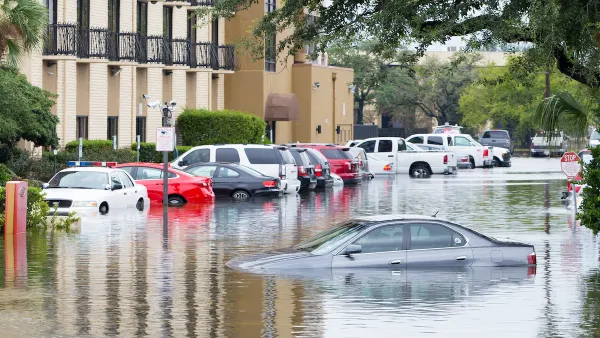
Migration to Disaster-Prone Areas Persists
Regions at high risk for flooding, wildfires, and other climate-fueled disasters continue to see rapid population growth.
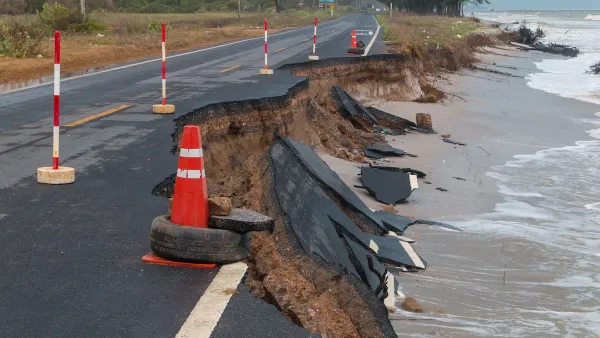
We Must Relocate to Prepare for Climate Change, and We Must Do it Now
As flooding, sea level rise, fires, and other climate impacts increase, we’ll need to move about 20 million Americans by 2100. Here’s how we can rethink managed retreat to get ahead of the rising tides.

Planetizen Federal Action Tracker
A weekly monitor of how Trump’s orders and actions are impacting planners and planning in America.

HUD modernizes 50-year-old manufactured housing framework
The Next Generation Manufactured Housing Action Plan establishes new energy-efficiency standards for manufactured homes, and new guidelines for anchoring them.

Data reveals that NYC’s bet on congestion pricing has paid off
After almost two years of the program, reports show positive impacts on traffic and air quality and no disruptions to parking.

How Chicago, New York and Seattle are funding transit projects amid tough times
Notes from the American Public Transportation Association's TransForm conference in Chicago.

Transport for London tackles hate crime spike with free bystander training
Recorded hate crime offences on the London's transport network have increased by 36 per cent.

Denver is solving homelessness. Why aren't the rest of us?
Since 2023, Denver's street homeless population has decreased by 64%, proving that effective tools exist to support those in need of housing.

FREE Course: Walkable City 1: Why Walkability?
After describing his path towards focusing on walkability as the essence of good planning, Jeff Speck marches through his five principal reasons for making more walkable places.
Reinventing Malls: Planning Alchemy—Turning Gray Fields Into Gold
The course focuses on the opportunities and imperatives that shape reinvention of mall sites.

One Hundred Miles
County of Mendocino
planning NEXT
The Architects Foundation
University of Cincinnati Online
Montrose County
Northern Illinois Transit Authority (NITA)
The Pocatello Development Authority