Native of the bustling United Arab Emirates are cheering the global economic slowdown, crediting it for curbing development in its cities that had been blamed for destroying much of their local heritage.


"Emiratis have fretted for years over the loss of their culture, as social norms became more a product of the newcomers than of the nationals. Now, some are pinning their desires for a cultural salvation on the global economic downturn, which they hope will reduce the number of foreigners pouring into their country and give them a chance to reassert their customs and way of life."
"'This is a blessing; we needed it,' Abdul Khaleq Abdullah, a political science professor at United Arab Emirates University, said of the fiscal crisis. 'The city needs to slow down and relax. It's good for the identity of our country.'"
"The sudden cold snap in the economy, more than in societies in the West and the Far East, has forced a collective rethinking of the country's direction. Perhaps the most difficult question is being asked by Emiratis themselves, who want to know where they fit into their own country. In an odd case of role reversal, the minority of nationals fear they are becoming like colonial lords in their own country."
Read the full story: Emirates See Fiscal Crisis as Chance to Save Culture
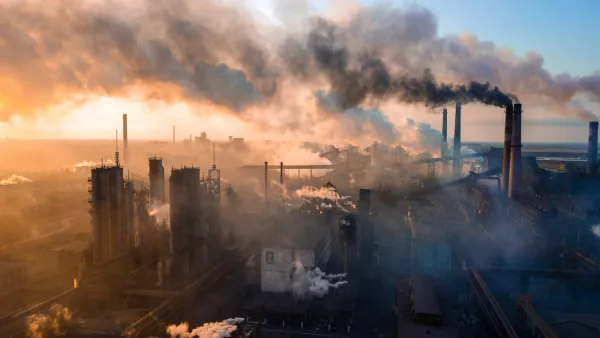
COP28: Will Developed Nations Reduce Emissions?
Tensions between developed and developing nations surfaced over emissions and energy, with the former focused on reducing fossil fuels and the latter pointing to unrealized emissions reductions from the nations most responsible for global warming.
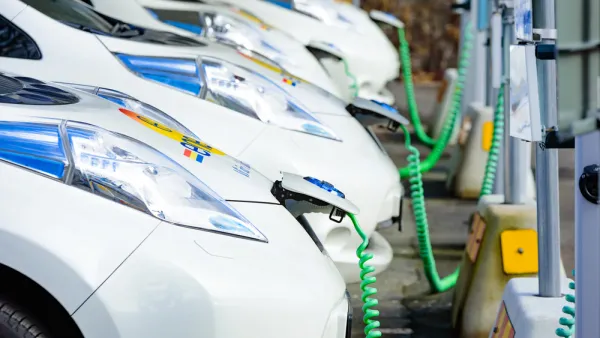
Dubai to Offer Free Parking and Charging to Electric Car Drivers
A city famous for its oil money is implementing generous incentives for electric cars.

World's First Passenger Drone Readies for Takeoff in Dubai
This summer, commuters may have another option for moving around Dubai as a pilotless drone is prepared to shuttle passengers around the city.

Planetizen Federal Action Tracker
A weekly monitor of how Trump’s orders and actions are impacting planners and planning in America.

California plans to bury El Niño’s downpour
If the state plays its cards right, it may be able to store a billion acre-feet of El Niño’s water in aquifers.

Desperate measures: Advocates weigh draining Lake Powell to fill Colorado River
Draining the reservoir could reduce evaporation losses by a couple hundred thousand acre-feet.

In Texas, data centers are swallowing promised parkland
Residents who moved to Taylor, Texas for a rural community now have to contend with three data centers in their backyard.

How a Chicago-sized wind farm beat the odds and powered on
The project spanned five presidential administrations and a standoff with a U.S. military base.

MTA gives itself 30 days to transform pit into basketball court
The site has been under construction since 2022; the city originally estimated it would finish the court in 2024.

FREE Course: Walkable City 1: Why Walkability?
After describing his path towards focusing on walkability as the essence of good planning, Jeff Speck marches through his five principal reasons for making more walkable places.
Reinventing Malls: Planning Alchemy—Turning Gray Fields Into Gold
The course focuses on the opportunities and imperatives that shape reinvention of mall sites.

City of Rosemead
Rutgers University, Edward J. Bloustein School of Planning and Public Policy
One Hundred Miles
Hunter College, City University of New York (CUNY)
The Architects Foundation
University of Cincinnati Online
City of Cambridge
Montrose County
The Pocatello Development Authority