An organism discovered in the Patagonian rainforest produces a mixture of chemicals similar to diesel.


A tree fungus could provide green fuel that can be pumped directly into tanks, scientists say. The organism, found in the Patagonian rainforest, naturally produces a mixture of chemicals that is remarkably similar to diesel.
"This is the only organism that has ever been shown to produce such an important combination of fuel substances," said Gary Strobel, a plant scientist from Montana State University who led the work. "We were totally surprised to learn that it was making a plethora of hydrocarbons."
In principle, biofuels are attractive replacements for liquid fossil fuels used in transport that generate greenhouse gases. The European Union has set biofuel targets of 5.75% by 2010 and 10% by 2020. But critics say current biofuels scarcely reduce greenhouse gas emissions and cause food price rises and deforestation. Producing biofuels sustainably is now a target and this latest work has been greeted by experts as an encouraging step.
The fungus, called Gliocladium roseum and discovered growing inside the ulmo tree (Eucryphia cordifolia) in northern Patagonia, produces a range of long-chain hydrocarbon molecules that are virtually identical to the fuel-grade compounds in existing fossil fuels...
Thanks to rob bregoff
Read the full story: Tree fungus could provide green transport fuel

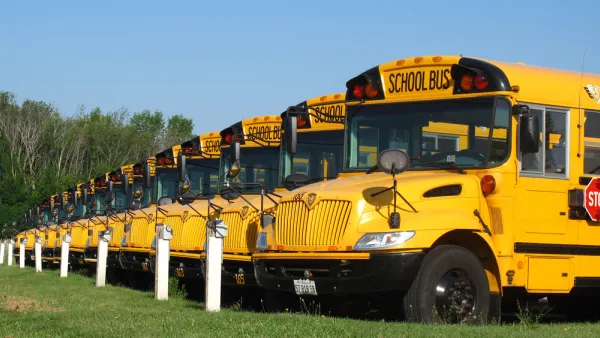
EPA Launches School Bus Electrification Program
The agency will distribute $5 billion over the next five years to help school districts purchase electric and low-emissions buses.
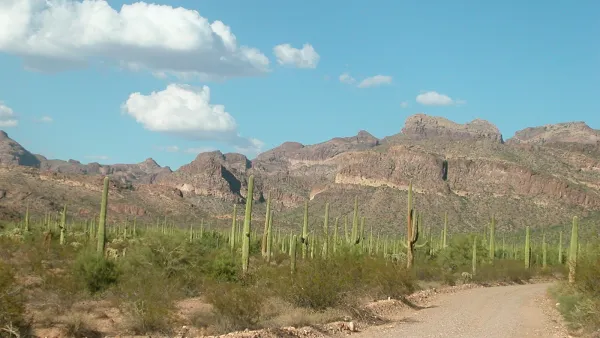
Advocacy to Protect Borderlands Areas Lagging
Construction of a border wall would have grave social and environmental consequences, but retailers with clout are not stepping up as they have when other places have been threatened.
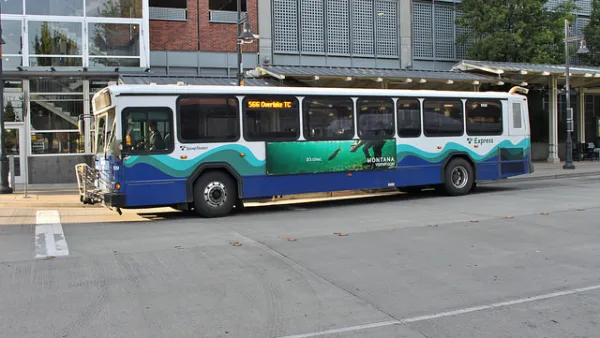
Sound Transit Needs Electric Buses
King County Metro enjoys the benefit of lower fuel costs from buying electric buses. Josh Cohen argues that it's time for Sound Transit to get on board.

Amtrak, CN end decades-long dispute with eight-year agreement
The new operating agreement establishes an updated framework for the companies to work together, including processes to resolve disputes.

Judges permit Denver to divert 77,000 acre feet from the Colorado River for reservoir expansion
Overuse and climate change have caused the Colorado River’s water levels to plummet.
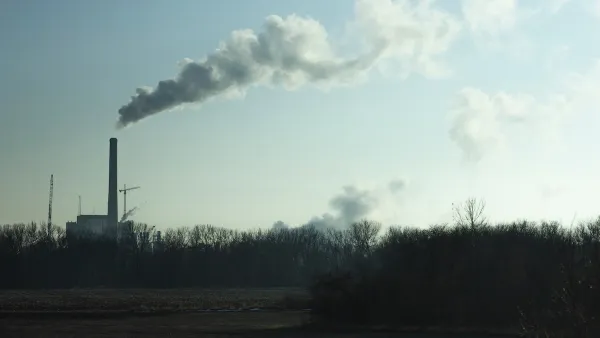
Nation's most wind-powered state turns to coal as data centers increase energy demand
For the first time in decades, Iowa has increased its generation of coal power.

Boston has spent millions making the Green Line more accessible — and there’s no end in sight
While the city has invested millions into expanding and adding platforms to the Green Line to make it more accessible, new train cars set to arrive next year will be too tall for disabled passengers to board without raising the current platforms.

Idaho may see an 18% drop in federal surface transit funding — the largest estimated cut in the US
Transit systems in rural communities are much more reliant on federal funding to provide their services.

How ‘post-disaster gentrification’ alters neighborhoods after natural calamities
After hurricanes, fires or other calamities, the original residents of a community are often replaced by younger, wealthier residents.

FREE Course: Walkable City 1: Why Walkability?
After describing his path towards focusing on walkability as the essence of good planning, Jeff Speck marches through his five principal reasons for making more walkable places.
Reinventing Malls: Planning Alchemy—Turning Gray Fields Into Gold
The course focuses on the opportunities and imperatives that shape reinvention of mall sites.

City of Wisconsin Rapids
Harvard University Graduate School of Design
KFH Group Inc.
The Architects Foundation
University of Cincinnati Online
The Pocatello Development Authority
The Urban Renewal Agency of the City of Pocatello