One of New York City's smallest and least-known streets is attracting the eyes of private developers, and the city seems keen to sell. But neighbors say the tiny street is worth preserving.


"About 30 feet wide and 120 feet long, it resembles a dusty alleyway more than an active thoroughfare. There are no street signs. It is virtually impossible to see on a standard atlas.
The street does, however, have admirers. For instance, there is Avalon Bay, the developer of recently constructed luxury buildings on First Street. It wants to repave Extra Place and create a cleaner passageway to the shops and boutiques that are expected to open in the new buildings.
Other admirers include longtime neighbors who said they were charmed by the truncated lane simply because it was one of the last remnants of the block's pregentrified past. But the city's Department of Housing Preservation and Development, which has control of the street, has no interest in holding on to it."
Read the full story: An Obscure City Street, Often Forgotten and Perhaps Soon for Sale

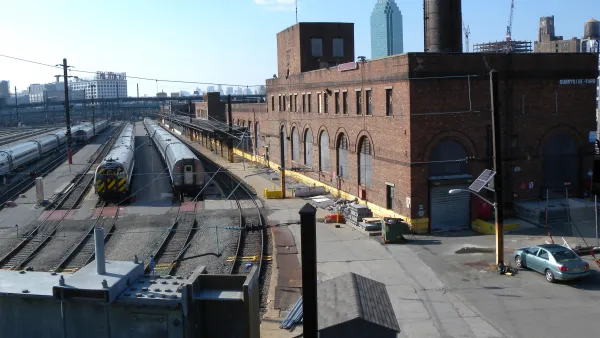
Mamdani Proposes Reviving Sunnyside Yard Project in Meeting With Trump
A proposed redevelopment in Trump’s native Queens could create as many as 12,000 new housing units.

NYC's New Atlantic Yards Plan Would Bring Taller Towers and Raise Income Limits
The area around Barclays Center could get 10,000 new housing units, with those deemed affordable available to households making as much as $200,000.

A Bronx Community Fights to Have its Voice Heard
After organizing and giving input for decades, the community around the Kingsbridge Armory might actually see it redeveloped — and they want to continue to have a say in how it goes.

Planetizen Federal Action Tracker
A weekly monitor of how Trump’s orders and actions are impacting planners and planning in America.

‘Going backwards:’ Baltimore mayor, students rally against state's transit funding plan
Maryland's proposed six-year plan provides no funding for Baltimore’s BMORE bus program and reduces its road maintenance funding.
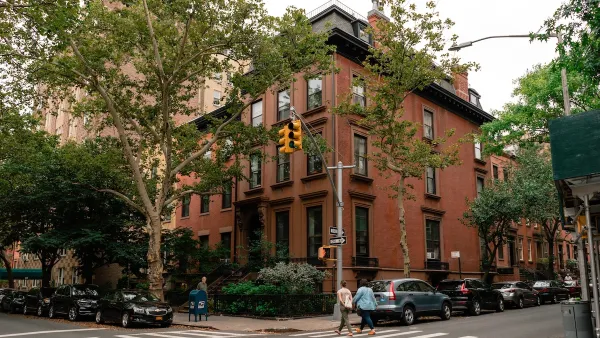
Mamdani sent nearly 6,000 pied-à-terre tax warnings to homes that didn’t qualify
A judge has ordered the administration to cancel thousands of pied-à-terre tax notices after it sent 35% of them erroneously.

Newsom vetoes high-speed rail supervision bill after agency receives condemnatory audit
The audit found the CHSRA approved almost $600,000 in unallowable travel expenses.

Nation sees first electric plane-boat hybrid take off in public demo
The Viceroy Seaglider can fly at speeds of 180mph for up to 180 miles.

One of nation’s poorest counties to receive $6 billion data center
The developers estimate the project will create 200 permanent jobs and 1,000 temporary construction jobs.

FREE Course: Walkable City 1: Why Walkability?
After describing his path towards focusing on walkability as the essence of good planning, Jeff Speck marches through his five principal reasons for making more walkable places.
Reinventing Malls: Planning Alchemy—Turning Gray Fields Into Gold
The course focuses on the opportunities and imperatives that shape reinvention of mall sites.

City of Thousand Oaks
City of Wisconsin Rapids
Harvard University Graduate School of Design
The Architects Foundation
University of Cincinnati Online
Northern Illinois Transit Authority (NITA)
The Pocatello Development Authority
The Urban Renewal Agency of the City of Pocatello