Once nearly obliterated by Hurricane Andrew, Homestead, FL, is now a thriving city with a bigger and more diverse population than ever. This article takes a look at how it got there and how it plans to further reinvent itself.


"The population of Homestead soared to almost 57,000 by July 2007 from just fewer than 32,000 residents in 2000 -- about the same as when the hurricane roared through, according to the U.S. Census Bureau. The growth, spurred by developers eager to build up one of the last rural areas of crowded Miami-Dade County, took off because Homestead was far enough from the metro hub to make prices for the new houses a relative bargain compared with closer, older developments."
"Where crops once grew, big-box developments have popped up to host stores including Lowe's, a soon-to-open Sports Authority, a multiplex cinema and a host of national restaurant chains.
Homestead officials hope other types of developments will follow to broaden the employment base for a city that -- in spite of its recent growth spurt -- remains largely a commuter city for the metropolis to the north. 'We're still too much of a bedroom community,' says Ms. Bell, the mayor. 'This is a town that really needs to keep changing.'"
Read the full story: A City Rebuilt and Redefined
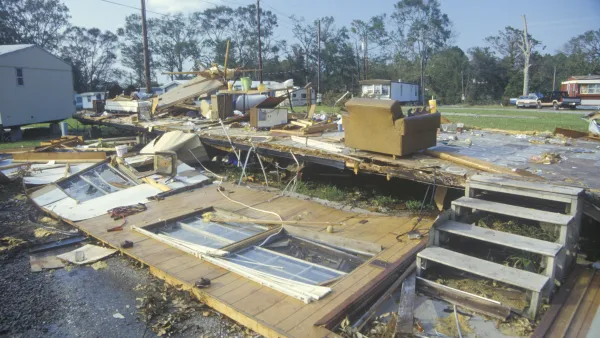
600,000 Florida homes vulnerable to incoming El Niño
Florida has more manufactured homes than any other state, the majority of which may have been built before federal regulations required them to be capable of withstanding extreme weather.
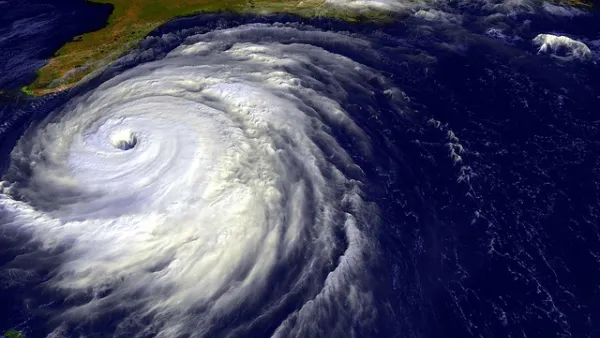
After Michael: Updating Florida's Building Code to Better Weather Future Storms
Code requirements for wind resistance vary substantially across Florida, with less stringent building requirements in areas of the Panhandle hit hard by Hurricane Michael.
When Coastal States Kill Building Codes, FEMA Pays
Despite the increasing number and intensity of natural disasters, some vulnerable states are relaxing building regulations and leaving the federal government to pick up the tab when tragedy strikes again.

Washington state to charge fee to drivers with fuel-efficient cars
Revenue from the fee will go towards supporting the state’s highways.

Illinois considers spending $1 billion in taxpayer money on data center
A quantum computing campus and data center are currently under construction in Chicago.

Trump to blast ‘hydrocarbon highway’ through ‘world’s longest art gallery’
Environmental and historic preservation groups are suing to stop the project.

NYC, state sue feds over mixed-immigration-status housing assistance rule
The state’s lawsuit argues that the rule change violates the Administrative Procedure Act.

Michigan to turn neighborhood into virtual power plant
Residents will soon be able to divert their excess energy to the grid in exchange for compensation.

Data center, mining project swarm to long-awaited Alaska railroad line
The state-owned railroad approved final plans for the spur line this week; the project is expected to cost $311 million, mostly funded by the federal government

FREE Course: Walkable City 1: Why Walkability?
After describing his path towards focusing on walkability as the essence of good planning, Jeff Speck marches through his five principal reasons for making more walkable places.
Reinventing Malls: Planning Alchemy—Turning Gray Fields Into Gold
The course focuses on the opportunities and imperatives that shape reinvention of mall sites.

City of Charlotte
City of Rosemead
Rutgers University, Edward J. Bloustein School of Planning and Public Policy
University of Michigan School for Environment and Sustainability (SEAS)
Hunter College, City University of New York (CUNY)
The Architects Foundation
University District Partnership