Local officials in Manasota Key, FL tried to preserve the character of their community by putting height restrictions in place, but a thwarted developer has been awarded $500k for the limitations these restrictions imposed on his property rights.


"The case underscores Florida's endless conflict between preservation and property rights, and the difficult choices government leaders face in balancing those interests. It also highlights the impact of the Bert J. Harris Jr. Act, a 1995 state law giving landowners more power to sue for compensation when government limits what they can do with their property.
The threat of lawsuits deters many communities from passing development laws meant to protect the safety and well-being of residents, said Steve Pfeiffer, a Sarasota attorney and board member for 1,000 Friends of Florida, a growth management advocacy group.
"The act has a shadow impact that is beyond any impact of actually filing Bert Harris claims," Pfeiffer said, using the shorthand legal term for challenges under the law.
The Harris Act was used recently to file suit against the city of Sarasota after a zoning change rendered a planned 18-story building downtown unbuildable. The change restricted height in the area to 10 stories."
Read the full story: Preserving character at risk of losing cash


Commentary: Eminent Domain is a Slippery Slope
Can accepting eminent domain lead to accepting the loss of other, more foundational rights?
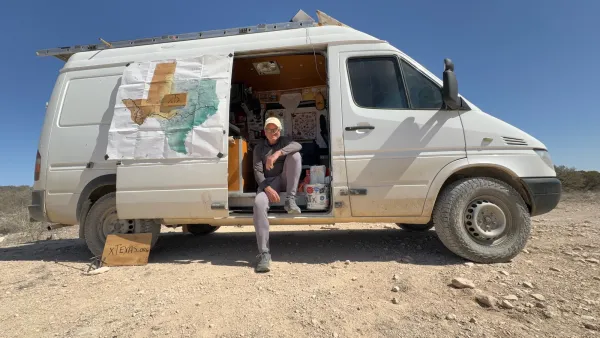
Meet the Team Working to Create a 1,500-mile Trail Across Texas
The proposed xTx route would safely allow hikers, bikers, and equestrians to cross the entire state from the Louisiana border to El Paso.
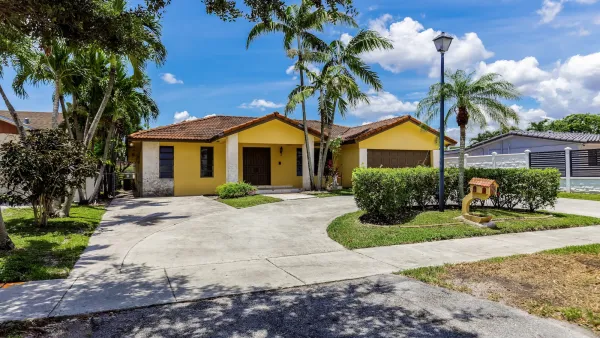
Property Owners Sue Miami for Unlawfully Taking Property via Permit Applications
The suit claims the city is using unrelated permit applications to unlawfully gain right-of-way.

Planetizen Federal Action Tracker
A weekly monitor of how Trump’s orders and actions are impacting planners and planning in America.

The state-sanctioned urbicide of Austin
People don’t kill cities. Freeways do.

US to reduce Colorado River water deliveries to Mexico
A new Colorado Treaty amendment reduces Mexico’s Colorado River water allocation by 250,000 acre feet.

Nation's most wind-powered state turns to coal as data centers increase energy demand
For the first time in decades, Iowa has increased its generation of coal power.

NYC cools commuters with city's first rain garden above a bus stop
New York City officials say the plants in the rain garden can absorb 16 gallons of rainwater during heavy storms.

Brightline West’s future may rely on $6 billion federal loan
The company has until Nov. 2 to make a $400 million equity investment into its proposed high-speed rail line.

FREE Course: Walkable City 1: Why Walkability?
After describing his path towards focusing on walkability as the essence of good planning, Jeff Speck marches through his five principal reasons for making more walkable places.
Reinventing Malls: Planning Alchemy—Turning Gray Fields Into Gold
The course focuses on the opportunities and imperatives that shape reinvention of mall sites.

Greater Baltimore Committee
Eagle County Government
Harvard University Graduate School of Design
The Architects Foundation
University of Cincinnati Online
The Pocatello Development Authority
The Urban Renewal Agency of the City of Pocatello
Journal of the American Planning Association