Asphalt is a byproduct of oil production, and so is getting more expensive along with rising oil costs. A $5 million research project is looking for greener solutions.


"Most efforts to "green" transportation focus on car technology, but roads can also be revamped to reduce carbon emissions. A national effort to improve millions of miles of highways and streets seeks to make asphalt more eco-friendly and less expensive.
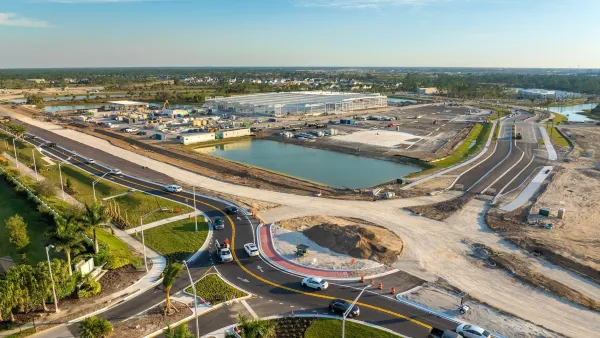
The Asphalt Research Consortium aims to increase the use of recycled materials and improve energy efficiency of asphalt, which makes up more than 90 percent of U.S. roads. Sand and other binder materials are being explored to make asphalt at the Modified Asphalt Research Center (MARC) at the University of Wisconsin-Madison.
"It has been a challenge to get the industry to look at this seriously just because our pavements have been performing relatively well and there have not been many complaints about failures," said Hussain Bahia, a professor of civil engineering at the University of Wisconsin at Madison, which is using $5 million for the studies."
Read the full story: Paving the way for greener asphalt

Saving Money By Converting Asphalt to Gravel
In an effort to cut transportation maintenance costs, some cities are ditching their asphalt roads and going back to gravel.
Is Concrete the New Asphalt?
As oil prices rise, so does the cost of asphalt. Concrete, historically more expensive, is now becoming a viable cost competitor. Because of its lighter shade, its also been shown to contribute less to climate change.
Analysis: What does America want from surface transportation reauthorization?
Over 13,000 comments were submitted in the federal Request for Information on surface transportation reauthorization. We analyzed all of them.

Planetizen Federal Action Tracker
A weekly monitor of how Trump’s orders and actions are impacting planners and planning in America.

The state-sanctioned urbicide of Austin
People don’t kill cities. Freeways do.

US to reduce Colorado River water deliveries to Mexico
A new Colorado Treaty amendment reduces Mexico’s Colorado River water allocation by 250,000 acre feet.

Nation's most wind-powered state turns to coal as data centers increase energy demand
For the first time in decades, Iowa has increased its generation of coal power.

NYC cools commuters with city's first rain garden above a bus stop
New York City officials say the plants in the rain garden can absorb 16 gallons of rainwater during heavy storms.

Brightline West’s future may rely on $6 billion federal loan
The company has until Nov. 2 to make a $400 million equity investment into its proposed high-speed rail line.

FREE Course: Walkable City 1: Why Walkability?
After describing his path towards focusing on walkability as the essence of good planning, Jeff Speck marches through his five principal reasons for making more walkable places.
Reinventing Malls: Planning Alchemy—Turning Gray Fields Into Gold
The course focuses on the opportunities and imperatives that shape reinvention of mall sites.

Greater Baltimore Committee
Eagle County Government
Harvard University Graduate School of Design
The Architects Foundation
University of Cincinnati Online
The Pocatello Development Authority
The Urban Renewal Agency of the City of Pocatello
Journal of the American Planning Association