For those Tech Talk readers who have not yet heard about Project Gutenberg, this is an amazing project that defines the future of the Internet. Project Gutenberg is the first and largest single collection of free electronic books. They have published over 12,000 eBooks through the collective efforts of hundreds of volunteers. The Magna Carta was the project's 10,000 e-book, published in October, 2003.


 For those Tech Talk readers who have not yet heard about Project Gutenberg, this is an amazing project that defines the future of the Internet.
Project Gutenberg is the first and largest single collection of free electronic books. They have published over 12,000 eBooks through the collective efforts of hundreds of volunteers. The Magna Carta was the project's 10,000 e-book, published in October, 2003.
Most of the ebooks are older works that are in the public domain, and all can be freely downloaded, read and distributed. Every few months I search their collection for new works that interest me and download them to my Treo 600 for reading when I'm in transit (or in particularly boring meetings).
The founder, Michael Hart, has an essay, History and Philosophy of Project Gutenberg that still is very relevant today, and writer Marie Lebert recently published an article about the effort as well.
It's almost overwhelming to just look as the list of e-books posted in the last 24 hours, such as this title published on August 25th, Title Rides on Railways, by Samuel Sidney (1813-1882), which includes images of rail stations and stories "amusing, instructive, and suggestive to travellers who, not caring particularly where they go, or how long they stay at any particular place, may wish to know something of the towns and districts through which they pass, on their way to Wales, the Lakes of Cumberland, or the Highlands of Scotland."

I've searched several times for urban planning-related titles. Unfortunately, there is only this one:
Down with the Cities, by Tadashi Nakashima
However, to be honest, I can't think of too many non-copyrighted works about urban planning. Can you? We might consider recommending them for inclusion, if we do.


Planetizen Federal Action Tracker
A weekly monitor of how Trump’s orders and actions are impacting planners and planning in America.

The state-sanctioned urbicide of Austin
People don’t kill cities. Freeways do.

Colorado’s Largest Data Center Could Rise Next to Homes — Without a Public Hearing
The proposed campus would consume 11 times the power of Denver International Airport; as it has across the country, opposition mounts.
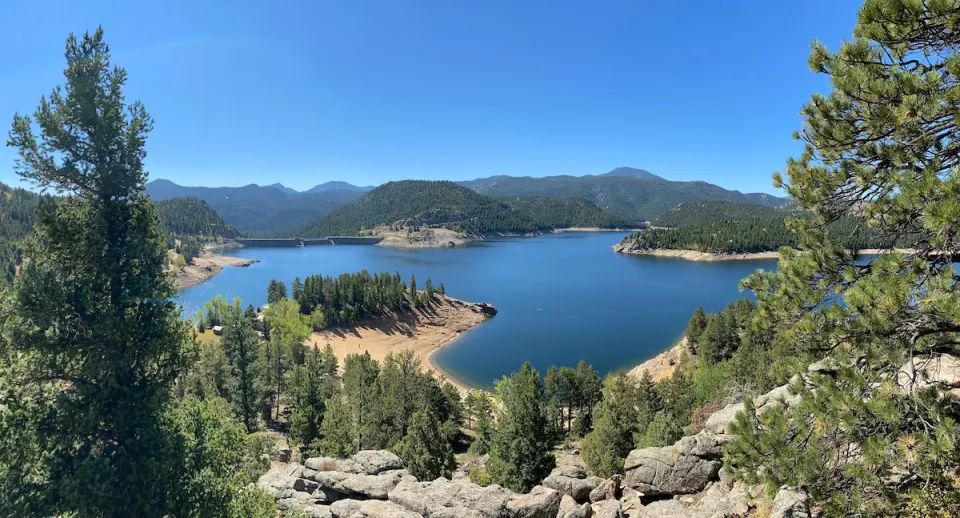
Judges permit Denver to divert 77,000 acre feet from the Colorado River for reservoir expansion
Overuse and climate change have caused the Colorado River’s water levels to plummet.

Amtrak, CN end decades-long dispute with eight-year agreement
The new operating agreement establishes an updated framework for the companies to work together, including processes to resolve disputes.
Raised interest rates may kill financially vulnerable construction projects
The chief economist at ConstructConnect warns that if construction project owners are negatively impacted by the raised rates, it could result in delayed payments to contractors.

FREE Course: Walkable City 1: Why Walkability?
After describing his path towards focusing on walkability as the essence of good planning, Jeff Speck marches through his five principal reasons for making more walkable places.
Reinventing Malls: Planning Alchemy—Turning Gray Fields Into Gold
The course focuses on the opportunities and imperatives that shape reinvention of mall sites.

KFH Group Inc.
Greater Baltimore Committee
Eagle County Government
The Architects Foundation
University of Cincinnati Online
The Pocatello Development Authority
The Urban Renewal Agency of the City of Pocatello

