A 70-year-old document sheds light on the attitude of master builder Robert Moses towards bicycling.


An enterprising New York City folklorist has unearthed a 1938 memo from Robert Moses to Mayor Fiorello LaGuardia, in which the former Parks Commissioner outlines the need for a network of bike paths in city parks. While Moses comes across as someone sympathetic to bicyclists, the document also shows the limitations of his belief that biking is just for recreation, while streets are only for cars. An excerpt, quoted on Streetsblog:
"The need for taking children off of public streets where they are constantly threatened with serious injury, and are themselves a hazard to motorists is imperative, and is evidenced by the increasingly numerous letters received from parents and others interested in the welfare of the youth of the city. Every motorist is aware of the hazard created by children of the adolescent age exploring the whole width of the roadway...
"Recognizing that bicycles have no place on public highways, and fully aware of the marked rise in enthusiasm and growing interest in bicycling on the part of the general public within the city limits, park executives have for some time been studying the entire park system to ascertain local unsatisfied cycling needs, and where proper facilities can be located advantageously to furnish the opportunity for bicycle riding without too long a delay and without involving large expenditures for construction."
Thanks to Ben Fried
Read the full story: Moses to LaGuardia: Bikes Have No Place on the Street
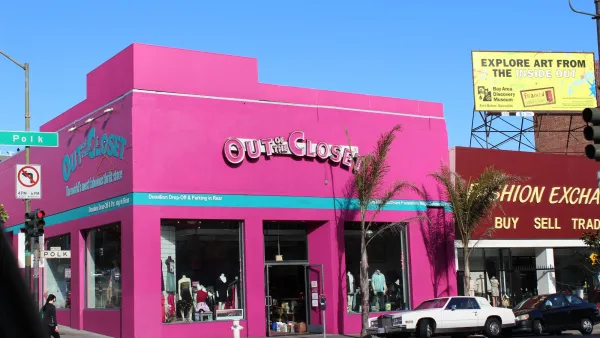
Thrift stores, public libraries and genderless bathrooms: How public amenities become trans infrastructure
Amenities like ample public transit, affordable retail and non-gendered bathroom spaces can make cities more safe and welcoming for transgender residents — and everyone else.
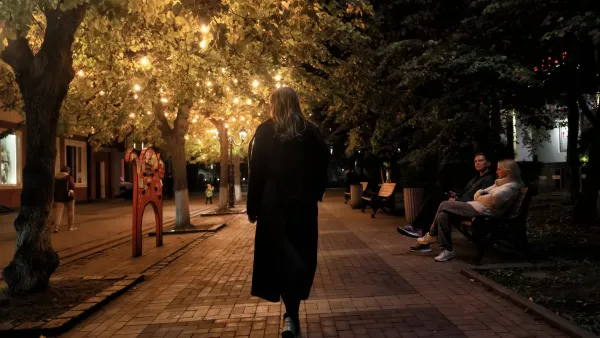
How urban design can deter crime
Well-designed public spaces and good lighting can prevent crime and make residents feel safer.

India’s Women-only ‘Pink Parks:’ Safe Refuge or Segregated Enclaves?
Women-only public spaces can provide safety and community, but critics argue they fail to address deeper structural problems.

Planetizen Federal Action Tracker
A weekly monitor of how Trump’s orders and actions are impacting planners and planning in America.

California plans to bury El Niño’s downpour
If the state plays its cards right, it may be able to store a billion acre-feet of El Niño’s water in aquifers.

Desperate measures: Advocates weigh draining Lake Powell to fill Colorado River
Draining the reservoir could reduce evaporation losses by a couple hundred thousand acre-feet.

Los Angeles just elected an urban planner as its mayor
Transportation analysts are optimistic that Raman will be more aggressive in addressing transit issues than Bass.

Mamdani’s pied-à-terre tax survives legal challenge
A panel of judges found that the plaintiffs failed to demonstrate injury as a result of New York City's implementation of the tax.

Eastern Nebraska is running out of electricity
Data centers and electrification are straining eastern Nebraska’s grid, throttling economic development.

FREE Course: Walkable City 1: Why Walkability?
After describing his path towards focusing on walkability as the essence of good planning, Jeff Speck marches through his five principal reasons for making more walkable places.
Reinventing Malls: Planning Alchemy—Turning Gray Fields Into Gold
The course focuses on the opportunities and imperatives that shape reinvention of mall sites.

City of Rosemead
Rutgers University, Edward J. Bloustein School of Planning and Public Policy
One Hundred Miles
University of Michigan School for Environment and Sustainability (SEAS)
Hunter College, City University of New York (CUNY)
The Architects Foundation
City of Cambridge
Montrose County
The Pocatello Development Authority