Resulting from high numbers of car accidents involving people from out of town, cities across the country are adopting measures that charge drivers and their insurance companies for the city services performed at crash sites.


"A growing number of cash-strapped communities large and small are billing at-fault out-of-town drivers and their insurance companies to recoup some of the cost of responding to and clearing accidents outside drivers cause."
"The practice of billing out-of-towners has raised the ire of drivers and insurance companies and a few communities have rescinded their ordinances. But accident fees for out-of-town drivers are still gaining popularity. During the past three years municipalities in at least 15 states - including Michigan, Kentucky, Florida, Wisconsin and North Carolina - have passed ordinances requiring at-fault drivers to pay up."
"Across the Ohio River from New Richmond in Erlanger, Ky. - a city where four major highways intersect and where 82% of accidents last year involved out-of-town drivers - city leaders expect to generate $100,000 with their ordinance. They bill at-fault drivers $14 for the first 30 minutes an officer is on scene and $7 for every 15 minutes thereafter."
Read the full story: Towns seek cash per crash from out-of-town drivers


Planetizen Federal Action Tracker
A weekly monitor of how Trump’s orders and actions are impacting planners and planning in America.

The state-sanctioned urbicide of Austin
People don’t kill cities. Freeways do.

Colorado’s Largest Data Center Could Rise Next to Homes — Without a Public Hearing
The proposed campus would consume 11 times the power of Denver International Airport; as it has across the country, opposition mounts.
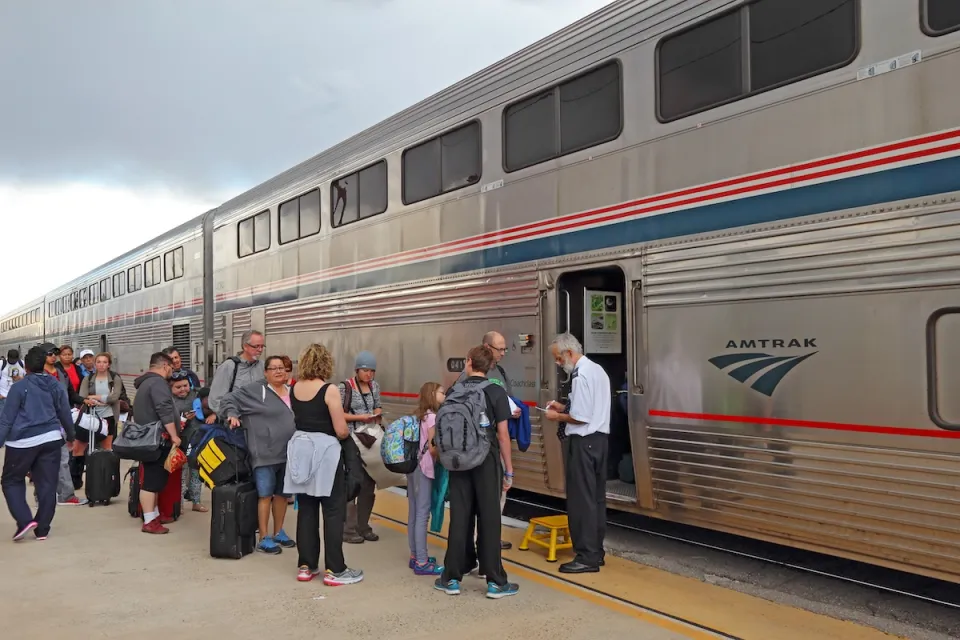
Amtrak, CN end decades-long dispute with eight-year agreement
The new operating agreement establishes an updated framework for the companies to work together, including processes to resolve disputes.
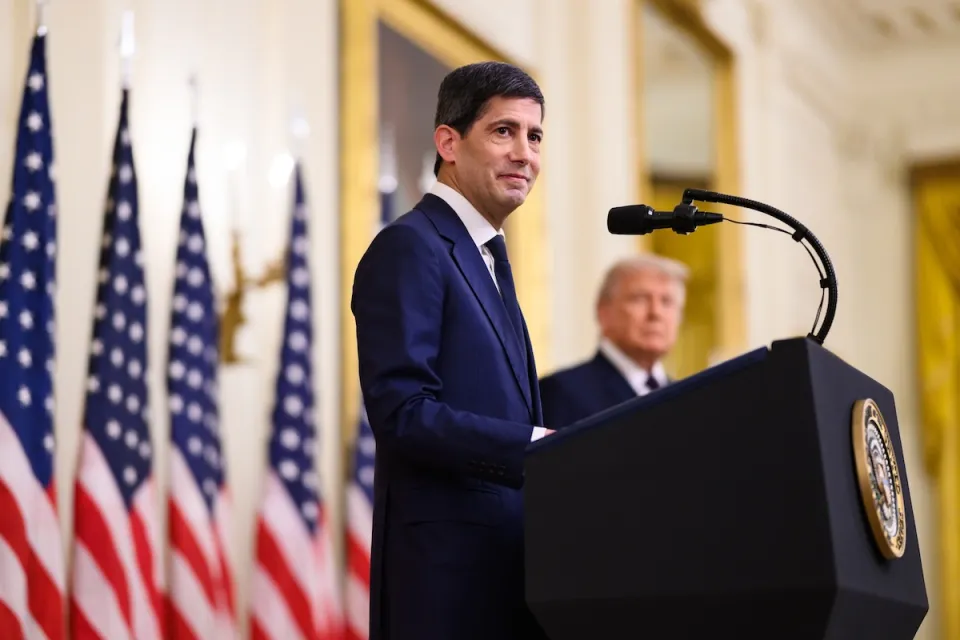
Raised interest rates may kill financially vulnerable construction projects
The chief economist at ConstructConnect warns that if construction project owners are negatively impacted by the raised rates, it could result in delayed payments to contractors.
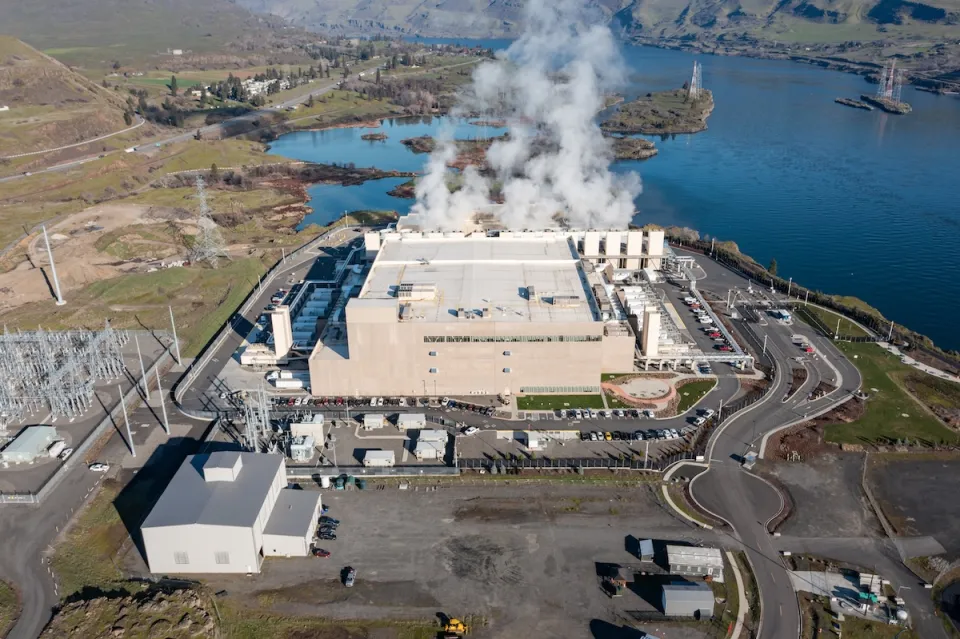
Data centers are consuming nearly 25% of Oregon’s power
The state has 111 data centers, with 32 more either planned or under construction.

FREE Course: Walkable City 1: Why Walkability?
After describing his path towards focusing on walkability as the essence of good planning, Jeff Speck marches through his five principal reasons for making more walkable places.
Reinventing Malls: Planning Alchemy—Turning Gray Fields Into Gold
The course focuses on the opportunities and imperatives that shape reinvention of mall sites.

Greater Baltimore Committee
Eagle County Government
Harvard University Graduate School of Design
The Architects Foundation
University of Cincinnati Online
The Pocatello Development Authority
The Urban Renewal Agency of the City of Pocatello
Journal of the American Planning Association