A Swedish town is being forced to relocate as decades of mining have compromised the bedrock on which the town was built. The relocation of the city's entire housing stock, public buildings, town center, and rail line is projected to cost billions.


"Three years ago the Swedish mining company LKAB -- which provides the city's economic lifeblood -- informed Swedell and other local officials that a century of extracting iron ore from underground was taking a toll on the bedrock under the town's homes and offices. Cracks had developed in the mine wall that angles thousands of feet beneath the city, and if they didn't start moving the buildings in a couple of decades, key parts of the city might collapse."
"The citizens of Kiruna -- who dub themselves 'the No-Problem People' -- have taken on this geological challenge with gusto. Last month, the town council voted to move much of the 23,000-person city to a spot 1.25 to 2.5 miles northwest of its current location, away from the direction of the cracks."
"While the city has just completed a 250-page document outlining a timetable and plan for the move, its officials have yet to pin down many specifics. They are still exploring the possibility of moving the town hall intact, and they will likely transport many houses on large trailers."
Read the full story: Swedish Town Uproots to Save Itself From Disaster


Planetizen Federal Action Tracker
A weekly monitor of how Trump’s orders and actions are impacting planners and planning in America.

The state-sanctioned urbicide of Austin
People don’t kill cities. Freeways do.

Colorado’s Largest Data Center Could Rise Next to Homes — Without a Public Hearing
The proposed campus would consume 11 times the power of Denver International Airport; as it has across the country, opposition mounts.

Nation's most wind-powered state turns to coal as data centers increase energy demand
For the first time in decades, Iowa has increased its generation of coal power.
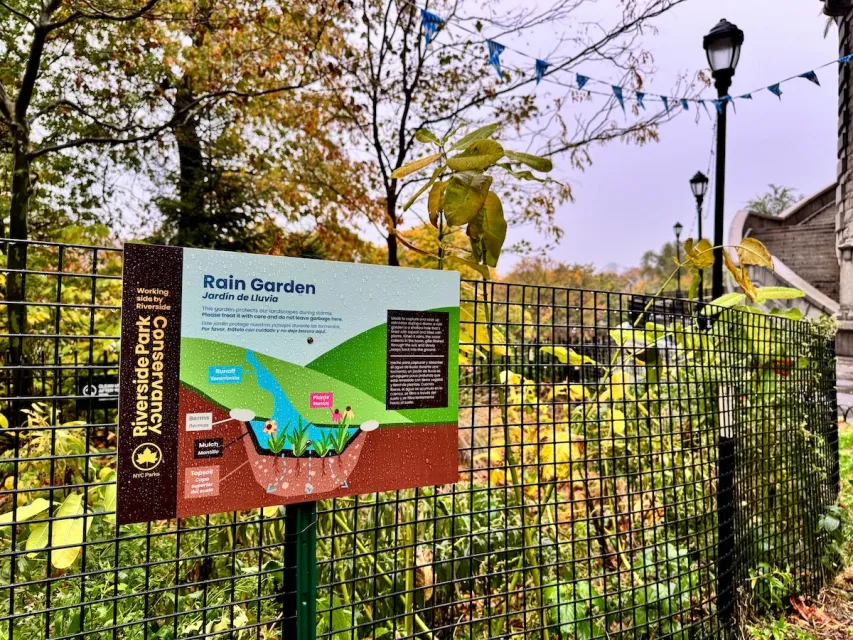
NYC cools commuters with city's first rain garden above a bus stop
New York City officials say the plants in the rain garden can absorb 16 gallons of rainwater during heavy storms.

Brightline West’s future may rely on $6 billion federal loan
The company has until Nov. 2 to make a $400 million equity investment into its proposed high-speed rail line.

FREE Course: Walkable City 1: Why Walkability?
After describing his path towards focusing on walkability as the essence of good planning, Jeff Speck marches through his five principal reasons for making more walkable places.
Reinventing Malls: Planning Alchemy—Turning Gray Fields Into Gold
The course focuses on the opportunities and imperatives that shape reinvention of mall sites.

Greater Baltimore Committee
Eagle County Government
Harvard University Graduate School of Design
The Architects Foundation
University of Cincinnati Online
The Pocatello Development Authority
The Urban Renewal Agency of the City of Pocatello
Journal of the American Planning Association