Many citizens have voiced concerns over approved developments in Philadelphia. As zoning issues take center stage in public hearings and disputes, the city readies itself for a May vote to create a zoning commission that will revise the process.


"As the city welcomes back badly needed development - at a scale and intensity that has not been seen in decades - discontent, dispiritedness and accusations of political impropriety are everywhere. Yet the development community - those who must regularly deal with zoning - are equally dissatisfied. A recent report by the Building Industry Associuation of Philadelphia says that the city's zoning is 'cumbersome and difficult to use.' It claims the 47-year-old code has driven up the cost of development and that it is nearly impossible to build modern housing in the city without a variance."
"Last week, City Council took concrete steps to address this situation. It unanimously approved a measure sponsored by Councilman Frank DiCicco that will place a referendum on the May ballot on whether to create a Philadelphia Zoning Commission. If approved, the commission would be charged with rewriting the 600-plus-page code and redrawing all the maps that go with it."
Read the full story: Zoned Out


Planetizen Federal Action Tracker
A weekly monitor of how Trump’s orders and actions are impacting planners and planning in America.

Data reveals that NYC’s bet on congestion pricing has paid off
After almost two years of the program, reports show positive impacts on traffic and air quality and no disruptions to parking.
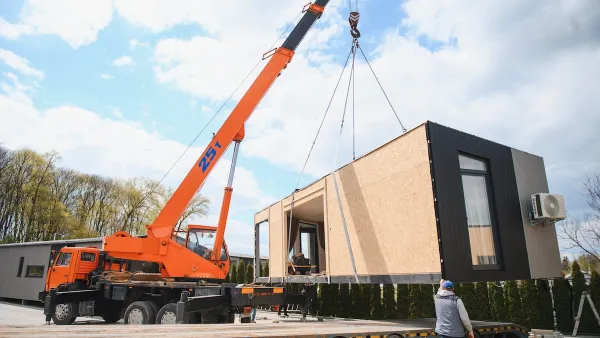
HUD modernizes 50-year-old manufactured housing framework
The Next Generation Manufactured Housing Action Plan establishes new energy-efficiency standards for manufactured homes, and new guidelines for anchoring them.

California voters weigh $11.25 billion housing bond
Prop. 1, combined with other funding, would support over 40,000 new rental units in California.

Connecticut is turning landfills into green infrastructure
Twenty-nine solar arrays have been built, or approved to be built, on top of Connecticut landfills.

Trump guts ‘win-win’ solar energy program for rural farmers
The U.S. Department of Agriculture’s changes have made virtually all solar power ineligible for funding through the Rural Energy for America Program.

FREE Course: Walkable City 1: Why Walkability?
After describing his path towards focusing on walkability as the essence of good planning, Jeff Speck marches through his five principal reasons for making more walkable places.
Reinventing Malls: Planning Alchemy—Turning Gray Fields Into Gold
The course focuses on the opportunities and imperatives that shape reinvention of mall sites.

One Hundred Miles
County of Mendocino
planning NEXT
The Architects Foundation
University of Cincinnati Online
Montrose County
Northern Illinois Transit Authority (NITA)
The Pocatello Development Authority