Plans for modern streetcars are becoming more popular across the U.S. as one component of a revitalization plan. Randal O'Toole argues that the connection between streetcars and economic development is a hoax.


"The clear lesson is that spending huge amounts of money for what amounts to a Disneyland ride ends up hurting average transit riders. And not just transit riders: Portland schools, fire, police, public health, and other essential services have all seen budget squeezes even as the city continues to give huge subsidies to developers along the streetcar line.
...In short, the streetcar had nothing to do with the new construction. Without the subsidies but with the streetcar, virtually no new construction would have taken place. With the subsidies but no streetcar, virtually all of the new developments would have been built anyway."
Read the full story: Don't Fall for the Streetcar Hoax


Planetizen Federal Action Tracker
A weekly monitor of how Trump’s orders and actions are impacting planners and planning in America.

Data reveals that NYC’s bet on congestion pricing has paid off
After almost two years of the program, reports show positive impacts on traffic and air quality and no disruptions to parking.
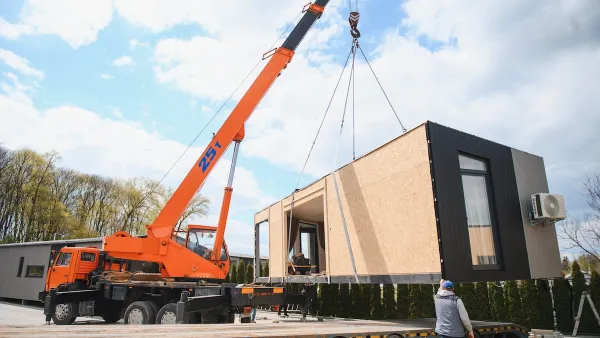
HUD modernizes 50-year-old manufactured housing framework
The Next Generation Manufactured Housing Action Plan establishes new energy-efficiency standards for manufactured homes, and new guidelines for anchoring them.

This Ohio town is using AI to speed up transit analysis
The Greater Dayton Regional Transit Authority’s new AI tool correctly determined riders’ preferred ways to reach key commuter routes.

Yet again, Seattle’s density zoning update is hit with delays
The city must now examine the ‘maximum possible development’ under a future zoning scenario, rather than the ‘maximum likely development.’

In the heart of suburbia, a Utah developer is building a high-density downtown from scratch
The project faces criticism from some city council members, who say the private developer is using taxpayer dollars to turn a profit.

FREE Course: Walkable City 1: Why Walkability?
After describing his path towards focusing on walkability as the essence of good planning, Jeff Speck marches through his five principal reasons for making more walkable places.
Reinventing Malls: Planning Alchemy—Turning Gray Fields Into Gold
The course focuses on the opportunities and imperatives that shape reinvention of mall sites.

One Hundred Miles
County of Mendocino
planning NEXT
The Architects Foundation
University of Cincinnati Online
Montrose County
Northern Illinois Transit Authority (NITA)
The Pocatello Development Authority