2,800 acres of Central California farmland has been effectively split into a collection of 40-acre parcels, all of which have been zoned to contain up to two residential units. Many in the nearby community are upset at the loss of farmland.


The Stanislaus County Planning Commission approved the subdivision of 2,843 acres of almond farm into 71 40-acre parcels. The farmland is set to be transformed into residential land, with zoning laws allowing up to two housing units per parcel. Many in the agricultural community are disappointed because they see the development of housing as destruction of viable farmland.
"Owner Mike Kooyman had proposed a plan that would include selling the parcels and requiring the new owners to lease back 38.5 acres to a farm operator."
"That would keep most of the 2,843 acres in agriculture during the 25-year lease and allow the owners to build homes in an agricultural setting."
"Although the 40-acre parcels are allowed in the agricultural zone, the planning staff recommended against the parcel split. The Planning Commission decided to approve the project despite the staff recommendation."
Read the full story: Ranch parceling gets county's OK


Planetizen Federal Action Tracker
A weekly monitor of how Trump’s orders and actions are impacting planners and planning in America.

The state-sanctioned urbicide of Austin
People don’t kill cities. Freeways do.

US to reduce Colorado River water deliveries to Mexico
A new Colorado Treaty amendment reduces Mexico’s Colorado River water allocation by 250,000 acre feet.

Nation's most wind-powered state turns to coal as data centers increase energy demand
For the first time in decades, Iowa has increased its generation of coal power.
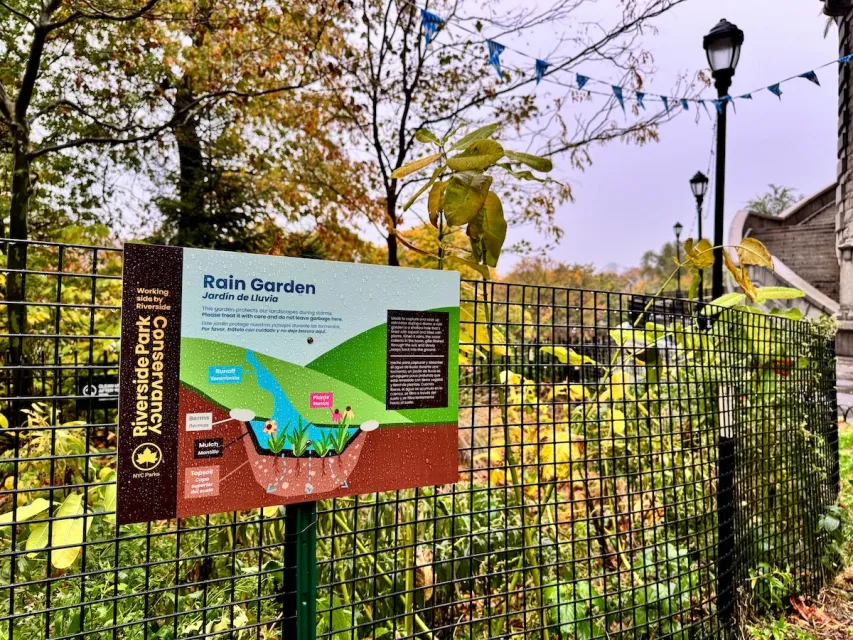
NYC cools commuters with city's first rain garden above a bus stop
New York City officials say the plants in the rain garden can absorb 16 gallons of rainwater during heavy storms.

Brightline West’s future may rely on $6 billion federal loan
The company has until Nov. 2 to make a $400 million equity investment into its proposed high-speed rail line.

FREE Course: Walkable City 1: Why Walkability?
After describing his path towards focusing on walkability as the essence of good planning, Jeff Speck marches through his five principal reasons for making more walkable places.
Reinventing Malls: Planning Alchemy—Turning Gray Fields Into Gold
The course focuses on the opportunities and imperatives that shape reinvention of mall sites.

Eagle County Government
Harvard University Graduate School of Design
Nashville Planning Department
The Architects Foundation
University of Cincinnati Online
The Pocatello Development Authority
The Urban Renewal Agency of the City of Pocatello
Journal of the American Planning Association