As with Oregon's Measure 37, a property-rights group sponsored a measure to compensate land owners for losses resulting from county land use decisions. Though defeated, a similar measure, "Protect our Homes", will appear on the November state ballot.


Measure A, the Fair Pay for Public Benefit Act, sponsored by the Napa Valley Land Stewards Alliance, received only 38% of the vote at press time.
A broad coalition of diverse groups, including environmentalists Greenbelt Alliance and Sierra Club, agricultural groups such as the Napa Valley Vintners Association and the Farm Bureau, and chambers of commerce, all claimed that the initiative "would have wrecked havoc on local land-use planning and produced a tidal wave of litigation that could drain funds from other programs."
Proponents claimed that the "county supervisors could avoid paying for the economic impact of a new ordinance or regulation either by getting the approval of voters, or by exempting property owners from new rules."
Mike Rodrigues, vice president of the Land Stewards Alliance, which had the support of the Napa County Republican Party, "said he would turn his attention to the statewide Protect Our Homes Initiative, which is expected to be on the November ballot. It would similarly require state and local agencies to pay land owners when new regulations reduce property values. Critics say the initiative would cripple land-use planning and efforts to protect the environment."
"The statewide initiative would also prohibit the use of eminent domain to transfer property from one private entity to another, as is now allowed."
Read the full story: Property-rights measure losing by wide margin


Planetizen Federal Action Tracker
A weekly monitor of how Trump’s orders and actions are impacting planners and planning in America.

The state-sanctioned urbicide of Austin
People don’t kill cities. Freeways do.

US to reduce Colorado River water deliveries to Mexico
A new Colorado Treaty amendment reduces Mexico’s Colorado River water allocation by 250,000 acre feet.

Nation's most wind-powered state turns to coal as data centers increase energy demand
For the first time in decades, Iowa has increased its generation of coal power.
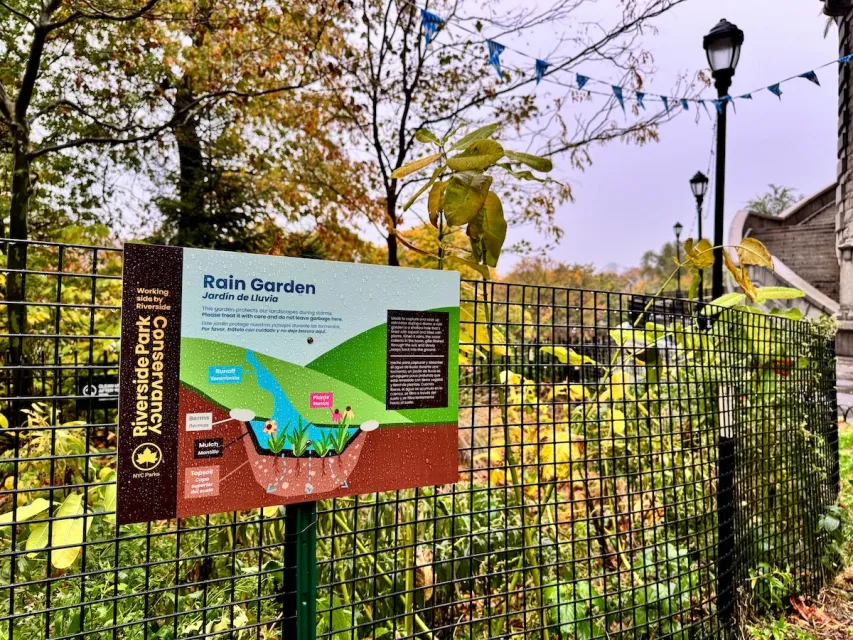
NYC cools commuters with city's first rain garden above a bus stop
New York City officials say the plants in the rain garden can absorb 16 gallons of rainwater during heavy storms.

Brightline West’s future may rely on $6 billion federal loan
The company has until Nov. 2 to make a $400 million equity investment into its proposed high-speed rail line.

FREE Course: Walkable City 1: Why Walkability?
After describing his path towards focusing on walkability as the essence of good planning, Jeff Speck marches through his five principal reasons for making more walkable places.
Reinventing Malls: Planning Alchemy—Turning Gray Fields Into Gold
The course focuses on the opportunities and imperatives that shape reinvention of mall sites.

Greater Baltimore Committee
Eagle County Government
Harvard University Graduate School of Design
The Architects Foundation
University of Cincinnati Online
The Pocatello Development Authority
The Urban Renewal Agency of the City of Pocatello
Journal of the American Planning Association