In his recent book, The Myth of Solid Ground, David Ulin looks at what earthquakes might mean, from a cultural standpoint -- including what scientific, or pseudo-scientific, techniques now hope to predict future seismic catastrophe.


"While researching the book, Ulin joked 'that I would either learn enough about earthquakes to stay comfortably in California or so much that I'd have to move away. As it happens, I came to the former conclusion.'
...But the one thing I did find reinforced almost everywhere was the limitation of official science â€" of pragmatic science â€" to encompass large theoretical areas. I think there has been a failure of imagination on behalf of seismologists â€" and geologists in general â€" in terms of how they approach the subject of earthquakes. That’s probably because of the failure of prediction to pan out in the 1980s, for instance, when prediction was a big thing â€" they really thought this was going to be possible. Millions of dollars were spent, papers were written, careers were staked â€" but it failed to pan out. I think they got scared and, basically, retrenched. Earthquake prediction became the kiss of death."
Thanks to Archinect Weekly
Read the full story: The Myth of Solid Ground


Planetizen Federal Action Tracker
A weekly monitor of how Trump’s orders and actions are impacting planners and planning in America.

The state-sanctioned urbicide of Austin
People don’t kill cities. Freeways do.
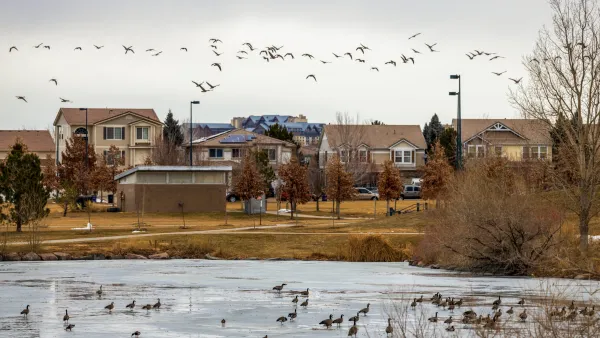
Colorado’s Largest Data Center Could Rise Next to Homes — Without a Public Hearing
The proposed campus would consume 11 times the power of Denver International Airport; as it has across the country, opposition mounts.
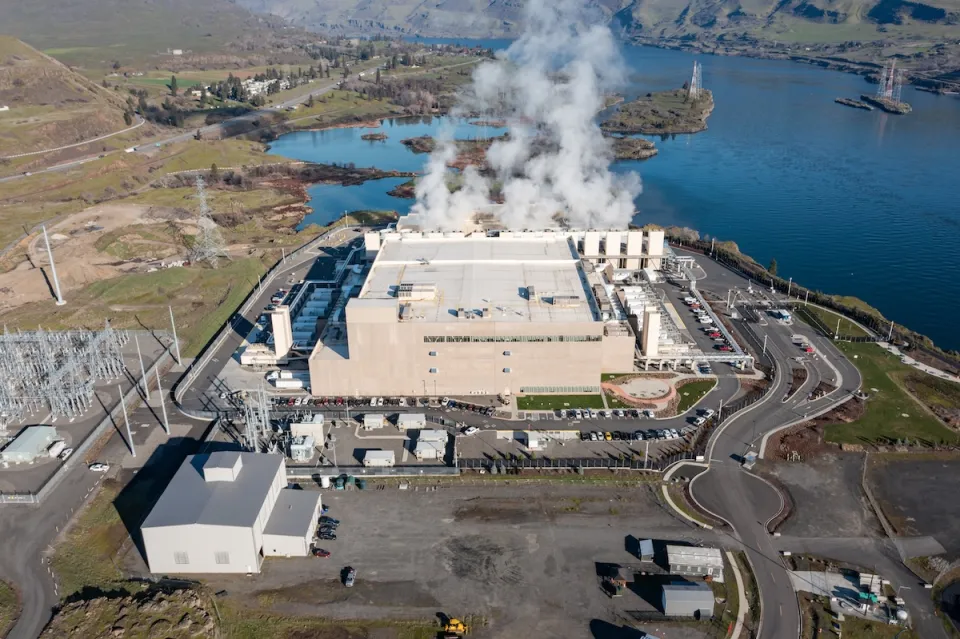
Data centers are consuming nearly 25% of Oregon’s power
The state has 111 data centers, with 32 more either planned or under construction.

A third of Texas cities must update their zoning codes to comply with new housing law
Texas municipalities are now required to allow manufactured housing in at least one residential zoning district.

Nation's most wind-powered state turns to coal as data centers increase energy demand
For the first time in decades, Iowa has increased its generation of coal power.

FREE Course: Walkable City 1: Why Walkability?
After describing his path towards focusing on walkability as the essence of good planning, Jeff Speck marches through his five principal reasons for making more walkable places.
Reinventing Malls: Planning Alchemy—Turning Gray Fields Into Gold
The course focuses on the opportunities and imperatives that shape reinvention of mall sites.

Greater Baltimore Committee
Eagle County Government
Harvard University Graduate School of Design
The Architects Foundation
University of Cincinnati Online
The Pocatello Development Authority
The Urban Renewal Agency of the City of Pocatello
Journal of the American Planning Association