Mixed-use developments are changing how Americans live, work, and play, according a Business Week review of New Urbanism projects.


In a "backlash" against the "monotony" of suburban sprawl, new mixed-use complexes like Atlantic Station in Midtown Atlanta "are truly picking up steam and will soon change the landscape of America," the trend especially strong among mall developers, with 145 of the 147 retail projects launched last year throughout metro areas offering housing, libraries, art centers, boulevards, ice rinks and other amenities, writes BusinessWeek Online reporter Pallavi Gogoi, quoting General Growth Properties senior vice president Thomas D'Alesandro, who said, "The idea of a metropolitan area with only one center is no longer the functioning model for most cities -- today we have a galaxy with multiple high-density nodes."
"[M]ini-towns like Atlantic Station and Main Streets are sprouting up all over America. Sometimes even located in the middle of a suburban sprawl, these developments give residents an identity -- and a place to go for entertainment, shopping, and people watching -- whether it's at Santana Row in San Jose, Calif.; Easton Town Center in Columbus, Ohio; Centerpoint on Mill in Tempe, Ariz.; or the revival of Crossroads in downtown Kansas City, Mo."
Thanks to Smart Growth Online
Read the full story: Bringing Community To The City


Planetizen Federal Action Tracker
A weekly monitor of how Trump’s orders and actions are impacting planners and planning in America.

The state-sanctioned urbicide of Austin
People don’t kill cities. Freeways do.

Colorado’s Largest Data Center Could Rise Next to Homes — Without a Public Hearing
The proposed campus would consume 11 times the power of Denver International Airport; as it has across the country, opposition mounts.
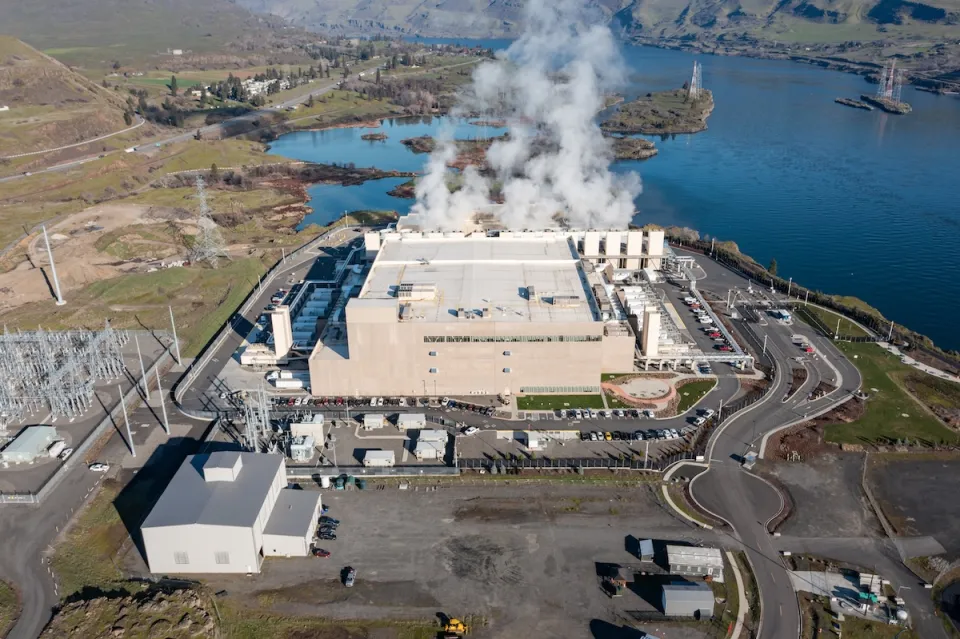
Data centers are consuming nearly 25% of Oregon’s power
The state has 111 data centers, with 32 more either planned or under construction.

A third of Texas cities must update their zoning codes to comply with new housing law
Texas municipalities are now required to allow manufactured housing in at least one residential zoning district.

Nation's most wind-powered state turns to coal as data centers increase energy demand
For the first time in decades, Iowa has increased its generation of coal power.

FREE Course: Walkable City 1: Why Walkability?
After describing his path towards focusing on walkability as the essence of good planning, Jeff Speck marches through his five principal reasons for making more walkable places.
Reinventing Malls: Planning Alchemy—Turning Gray Fields Into Gold
The course focuses on the opportunities and imperatives that shape reinvention of mall sites.

Greater Baltimore Committee
Eagle County Government
Harvard University Graduate School of Design
The Architects Foundation
University of Cincinnati Online
The Pocatello Development Authority
The Urban Renewal Agency of the City of Pocatello
Journal of the American Planning Association