If cities want to produce more housing, they need to make it simple for people to build. New York City’s ADU for You is doing just that.


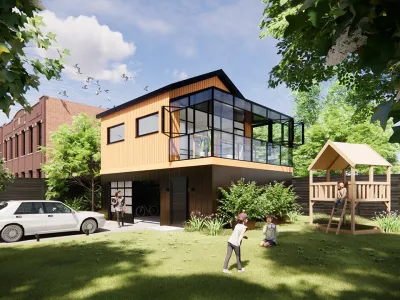
Before ADUs (accessory or ancillary dwelling units) became a policy tool, they were a practical response to everyday needs. A room above a garage could be rented for extra income; a backyard cottage could be built for an aging parent or an attic could be converted when a grown child moved back home. Over the past century, that type of incremental housing growth was largely written out of American cities through zoning that formalized a stricter model of residential land controls.
Today's renewed interest in ADUs is often framed as a response to housing shortages, but it also reflects what has been a broader lack of flexibility in residential land use. Restrictive and exclusionary zoning has long limited access to homeownership and constrained opportunities for stability and wealth-building. ADUs expand who can participate in creating more housing while also allowing for gentle growth in areas that have resisted new housing. New York City, where I am a founding principal of WXY, is aiming for 25,000 ADUs over the next 15 years. Our internal analysis at WXY suggests that ADUs could ultimately add 80,000 to 100,000 much-needed units to New York CIty’s housing stock.
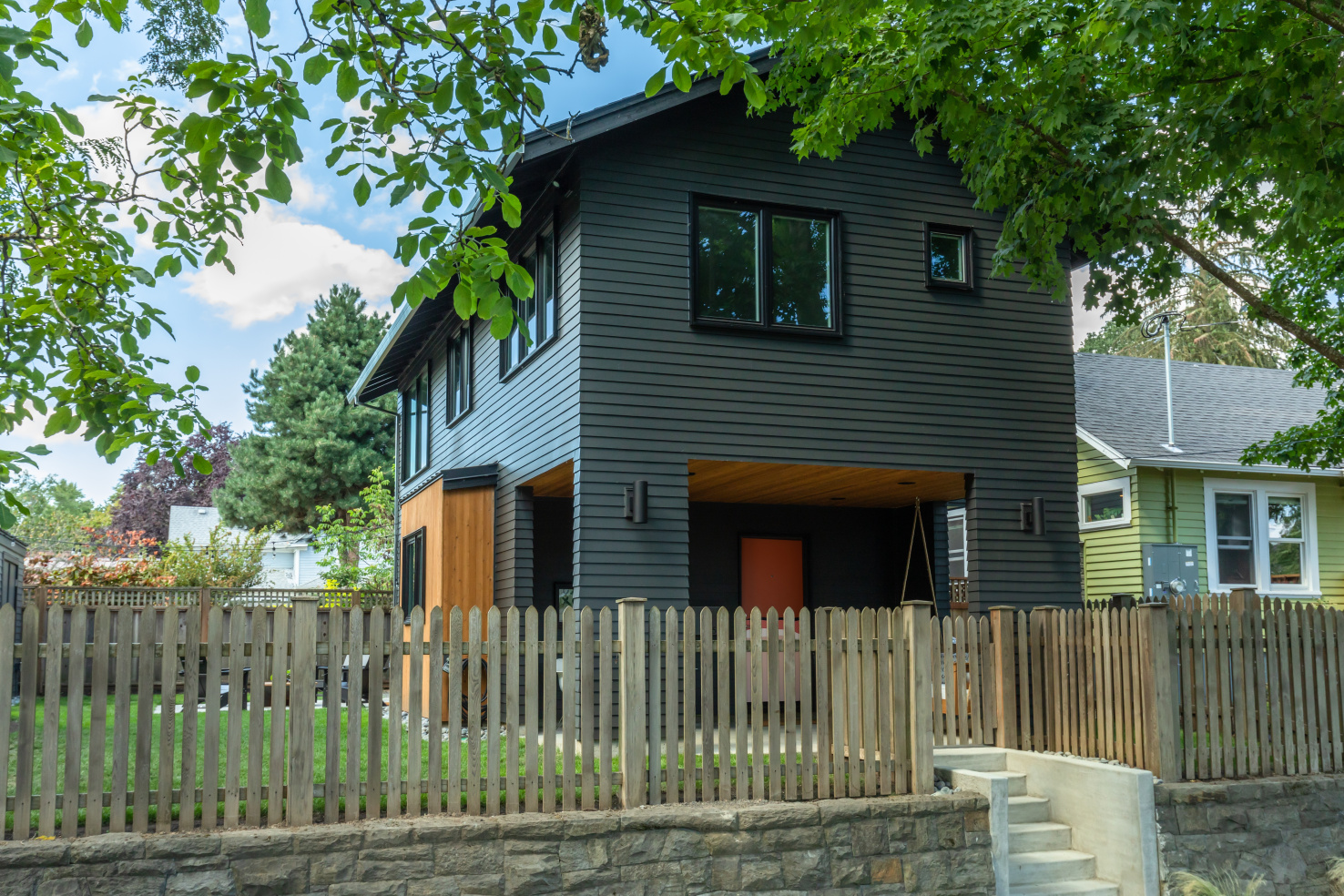
New York City's 2024 milestone zoning overhaul, known as the City of Yes for Housing Opportunity, opened the door for ADUs in the city, establishing where units can be built and under what conditions. But as other places have discovered, legalization is only the first step. First, there are a number of reforms that are likely to be needed as we begin to understand key challenges. Second, there will need to be efforts from New York City and community-based organizations (CBOs) to support homeowners in lower- and middle-income areas with understanding their eligibility, the costs and financing, permitting and tenanting challenges. Finally, ADU builders will need to get engaged and adjust to NYC conditions.
This pattern has been consistent: the success of ADU policy depends on whether the process works for homeowners. On Long Island, early efforts to push ADUs in towns like Babylon and Brookhaven revealed the limits of policy alone. Despite legalization in the late 1970s and early 1980s, restrictive rules and low compliance meant few units were formally permitted. In California, some jurisdictions added layers of fees and approvals that made ADUs technically legal but financially out of reach. From 2003 to 2016, only 404 ADUs were built in the City of Los Angeles. With state reforms in 2017 and 2020, production has shot up. In 2025 alone, 10,230 ADUs were built in Los Angeles County, accounting for 37% of all completed housing units.
So, when the City of New York legalized ADUs, it invested in the ADU for You platform. This platform, developed by WXY in partnership with the Mayor's Office, the NYC Department of Buildings, and the NYC Department of Housing Preservation and Development, begins to take the basic steps outlined above.
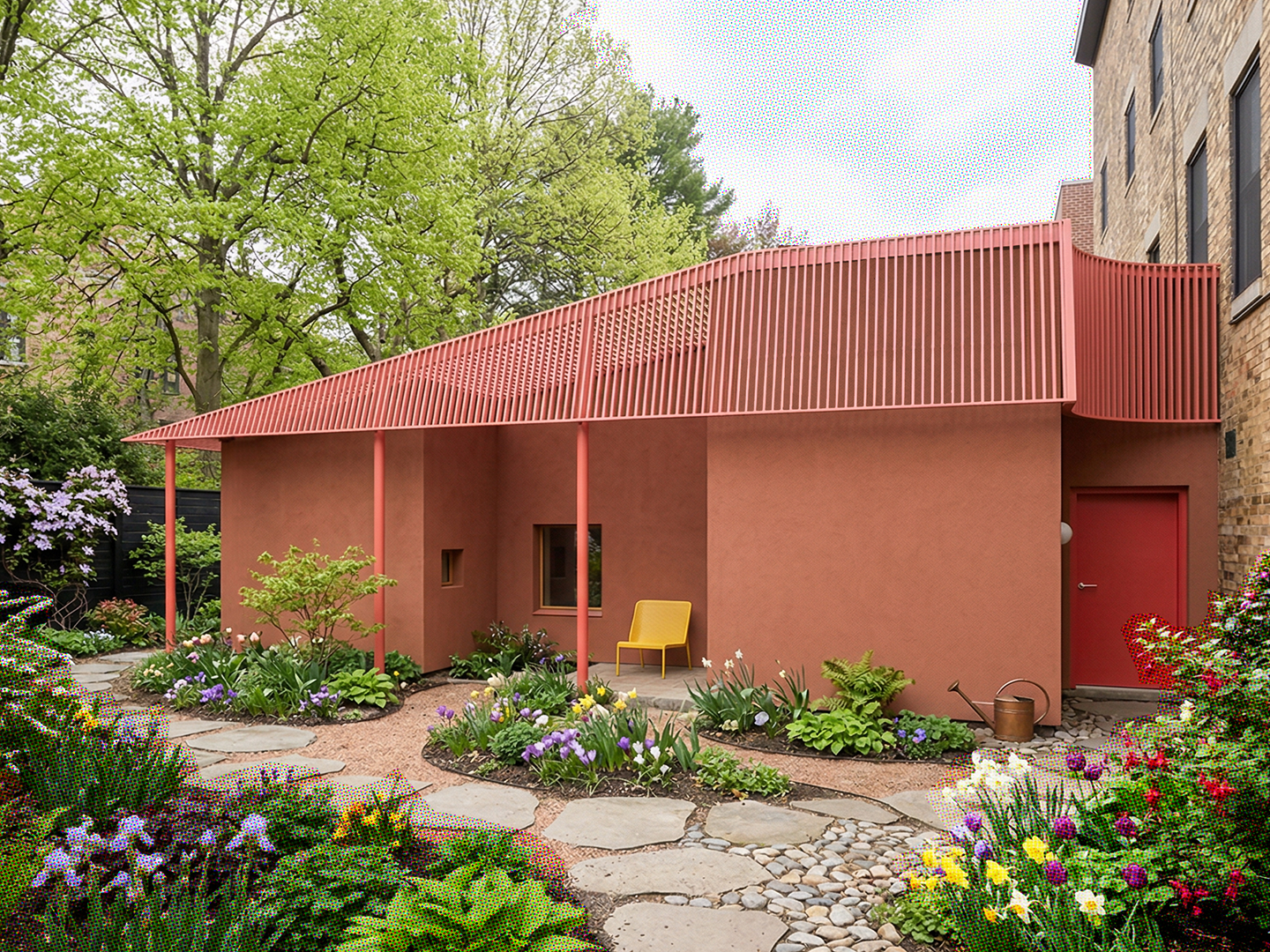
Rather than a static guidebook, ADU for You takes the form of an interactive web platform. Homeowners are able to plug in their home address and see if they are eligible for an ADU, explore pre-approved ADU plans to see if they fit on their lots, and use a budgeting tool to explore what the total project costs are and how that relates to potential ADU rental income. The “pre-approved plan” library connects homeowners with designs from Registered Design Professionals. Instead of starting each project from scratch, teams can work from a shared pre-reviewed baseline, focusing effort on site conditions, construction and delivery. The solicitation for these designs also served to pump-prime the NYC ADU marketplace and offered an entry point for smaller design firms and contractors who may not otherwise participate in residential development at larger scales.
Why it’s important to get ADUs right
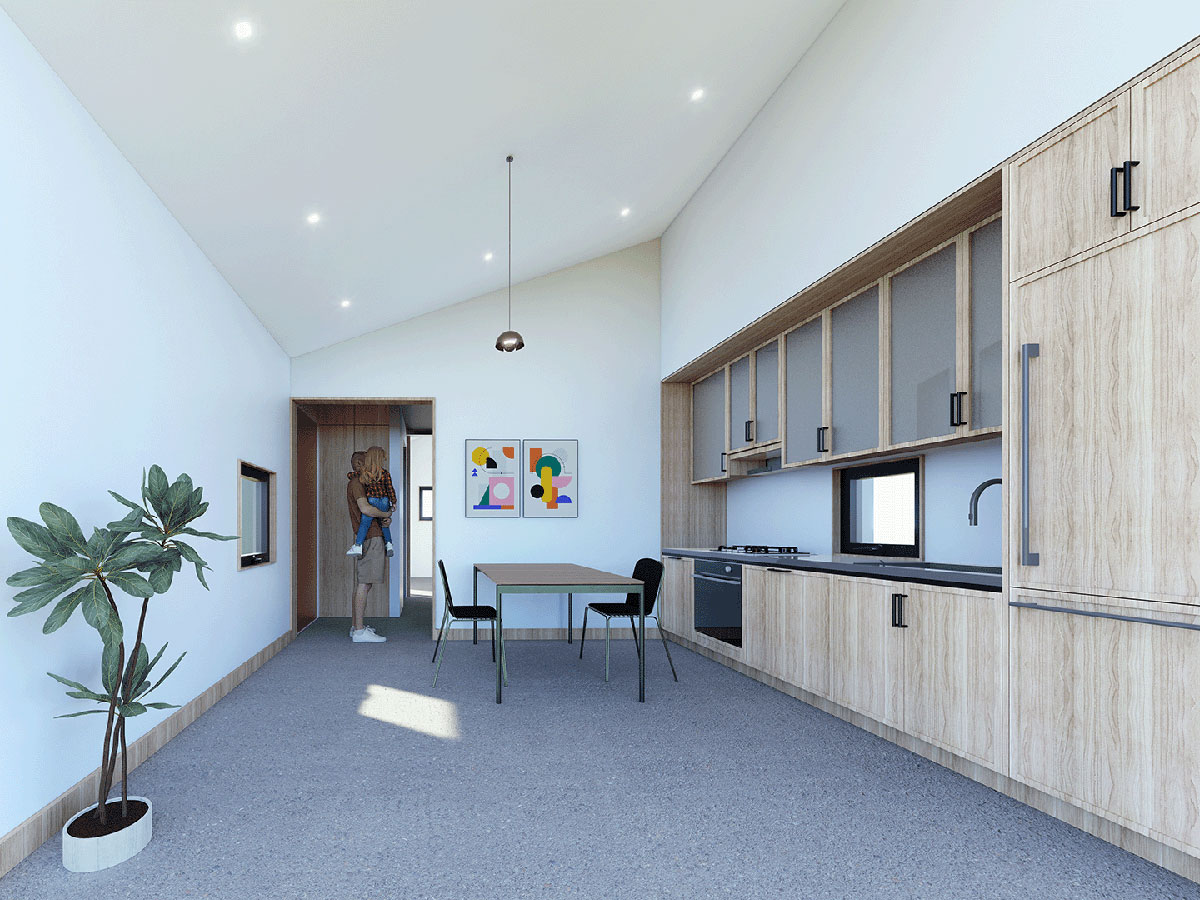
Because ADUs operate at a smaller scale and within a different framework than traditional apartments, they can ease a city’s housing shortage without drastically changing the landscape. Individually, ADUs are small, limited to 800 square feet under current New York City guidelines. Their impact comes from the accumulation of many small projects taking shape across a city, using existing infrastructure and adding housing without changing the overall fabric of neighborhoods. Planners sometimes describe this as “gentle density,” growth that is incremental, distributed, and integrated, delivering results without wholesale transformation.
ADUs can also be built for less. As small, distributed projects, they can complement more capital-intensive development models. In practice, that difference is significant. Recent affordable housing projects in New York have approached or exceeded $900,000 per unit when accounting for layered financing, regulatory requirements, and construction costs. By contrast, designers estimate that some designs in the ADU For You pre-approved plan library are estimated by their designers to be buildable for less than $200,000, depending on site conditions. Even accounting for variation, the gap points to a fundamentally different model of housing production.
Finally, ADUs can help longtime residents remain in their neighborhood: An ADU can create a new source of income, potentially making it possible to stay in a neighborhood that might otherwise become unaffordable or absorb the unexpected costs that sometimes force a move.
How ADU For You helps homeowners build
When first planning the ADU for You platform, the WXY team mapped a user journey to identify where people hesitate in the ADU process and why. We were focused around addressing key issues like determining eligibility of one’s property, understanding cost and visualizing what an ADU could look like on a specific lot. Each of these moments became a targeted design and content challenge.
Our experience developing webtools for other planning projects has taught us that home address look-ups are exciting for users. Everyone likes to know how a new policy affects their own home! The early results have been exciting, and in six months since the platform launch, we have almost 60,000 visits from unique ISPs. It wasn’t a simple task to create a tool that would show the eligibility of every NYC property lot - we had to integrate 13 different datasets including zoning, flood plains, and fire department access.
As part of the process, we ran a focus group in the East Flatbush area of Brooklyn (shout-out to Brooklyn Level Up for helping us organize this). There were some important lessons there – some of which we could implement right away and some which will have to wait for a future update. In terms of immediate changes, we placed the address look-up tool at the top of the website and drastically simplified the budgeting tool, allowing more sophisticated users to use slider bars to adjust assumptions.
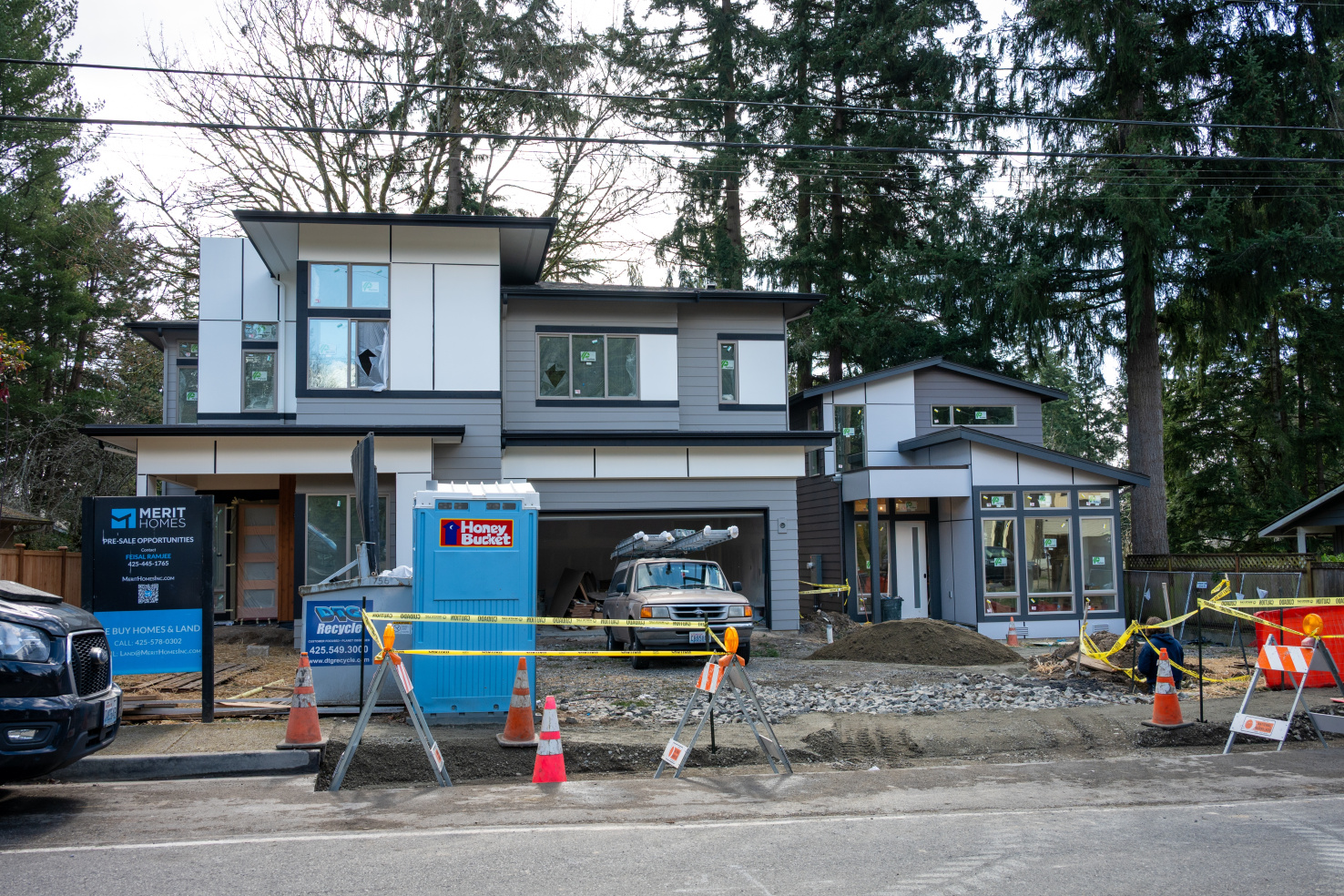
One critique we heard was that the homeowners wanted additional support with financing, construction supervision and tenanting. While not easily solved, I believe there is an important opportunity for the City to broaden the pre-approved library to include CBOs and advocates that can act as “owners representatives” to support homeowners through the lifecycle from financing to tenanting. Over time, the platform can create a broader ecosystem of builders and advocacy organizations that will increase options and lower costs while providing the help that is needed.
A path to action for ADUs
ADU for You addresses broader issues that go beyond accessory dwelling units. Unclear eligibility, opaque costs and unfamiliar processes create obstacles that homeowners and small developers encounter across many housing typologies. Missing middle housing, small-scale infill, cooperative ownership models all face similar friction between what policy permits and what people can navigate. A platform approach could serve any and all of them.
New York City needs more housing, and housing that people across a range of incomes can afford. ADUs are an important pathway. As of October 2026, NYC has received 281 applications and issued 57 permits. Given the time it took to gain traction in Los Angeles, the initial NYC application results are promising.
ADU for You will not solve all the challenges by itself, but it puts the means of production closer to the people who already own the land, already live in the neighborhood and are ready to act given a clear path forward.

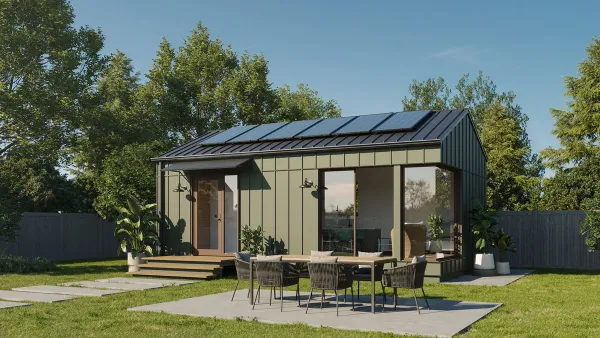
NYC’s ‘ADU for You’ Initiative Offers Pre-approved Plans and Financing Tools
The project pairs pre-approved plans with financing and other tools to help more homeowners build accessory units.

NYC Approves ‘City of Yes’ Rezoning Plan
The city council voted 31 to 20 to approve a package of zoning reforms aimed at creating 80,000 new housing units.
NYC Likely to Legalize ADUs as Part of ‘City of Yes’ Reforms
Homeowners in some neighborhoods could soon be able to build accessory dwelling units in their backyards, garages, or basements.

Planetizen Federal Action Tracker
A weekly monitor of how Trump’s orders and actions are impacting planners and planning in America.

Data reveals that NYC’s bet on congestion pricing has paid off
After almost two years of the program, reports show positive impacts on traffic and air quality and no disruptions to parking.

Denver is solving homelessness. Why aren't the rest of us?
Since 2023, Denver's street homeless population has decreased by 64%, proving that effective tools exist to support those in need of housing.

Will sprawl save California?
California residents will vote on Proposition 45 in November, which would make it easier to build large housing developments on the outskirts of the state’s cities.

Texas suburbs are popping up around old oil wells. Some are starting to leak
Several plugged wells in Texas have failed in recent years, endangering those who unknowingly settled nearby.

This Chicago neighborhood is using planning to increase life expectancy
The Garfield Park Quality-Of-Life Plan aims to bring residents everything from easier access to fresh food to revitalized commercial corridors.

FREE Course: Walkable City 1: Why Walkability?
After describing his path towards focusing on walkability as the essence of good planning, Jeff Speck marches through his five principal reasons for making more walkable places.
Reinventing Malls: Planning Alchemy—Turning Gray Fields Into Gold
The course focuses on the opportunities and imperatives that shape reinvention of mall sites.

Rutgers University, Edward J. Bloustein School of Planning and Public Policy
One Hundred Miles
County of Mendocino
The Architects Foundation
University of Cincinnati Online
Montrose County
Northern Illinois Transit Authority (NITA)
The Pocatello Development Authority

