Cameras on the vehicles can automatically issue tickets to drivers who park their cars in bus or bike lanes.


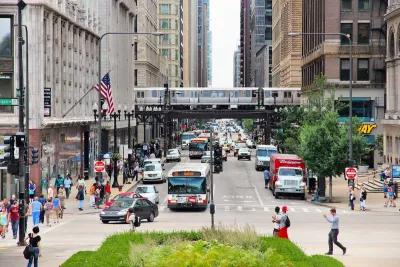
If you’re blocking a bus or bike lane in Chicago, cameras attached to passing city vehicles may flag the violation and fine you without the operator lifting a finger. Launched in 2024 as a pilot program, the Chicago City Council has decided to expand the initiative citywide and make its presence in Chicago permanent.
“Since 2024, the program has garnered more than 140,000 citations, though 75 percent of those were warnings for a first-time infraction that carries no penalty, according to data shared last month by city officials. More than 80 percent of drivers who got warnings had not received additional violations since then, officials said at the time,” Quinn Myers writes for Block Club Chicago.
Fines for ticketed drivers range from $50 to $250. While the program does not create any new fines, the city expects it will bring in $6.1 million in 2027. Since 2024, the program has already brought in $2.5 million.
Read the full story: Blocking A Bike Or Bus Lane Anywhere In Chicago? City Vehicles With Cameras Can Ticket You Soon

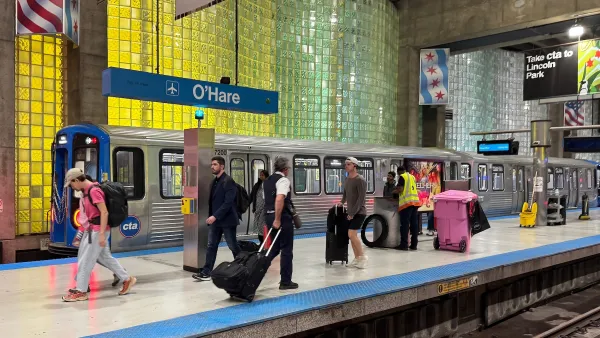
Costumed Chicagoans try to 'Catch That Train' in new viral trend
Residents are donning costumes and running to board CTA trains in a whimsical nod to the age-old problem of missing your train.
CTA underestimated Chicago transit ridership by 19 million trips
The agency is moving from using farebox data and manual video reviews to automatic counters that more accurately measure the total number of riders, whether or not they pay full fares.
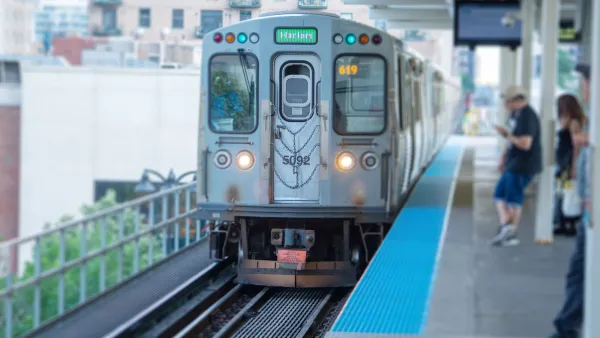
Chicago Transit Authority to Boost Policing Hours by 75%
In December, federal officials tasked the CTA to develop an enhanced security plan or risk losing federal funding.

Planetizen Federal Action Tracker
A weekly monitor of how Trump’s orders and actions are impacting planners and planning in America.

Data reveals that NYC’s bet on congestion pricing has paid off
After almost two years of the program, reports show positive impacts on traffic and air quality and no disruptions to parking.

HUD modernizes 50-year-old manufactured housing framework
The Next Generation Manufactured Housing Action Plan establishes new energy-efficiency standards for manufactured homes, and new guidelines for anchoring them.

Chicago city vehicles are on the hunt for illegally-parked cars
Cameras on the vehicles can automatically issue tickets to drivers who park their cars in bus or bike lanes.

Small single-family homes are illegal in most of MA. Voters can change that
Most land zoned for single-family housing in Massachusetts requires at least 40,000 square feet of land per house.

Public steps inside U.S.’s first battery-powered train
Metra’s groundbreaking train feature modern seats and a futuristic battery car.

FREE Course: Walkable City 1: Why Walkability?
After describing his path towards focusing on walkability as the essence of good planning, Jeff Speck marches through his five principal reasons for making more walkable places.
Reinventing Malls: Planning Alchemy—Turning Gray Fields Into Gold
The course focuses on the opportunities and imperatives that shape reinvention of mall sites.

One Hundred Miles
County of Mendocino
planning NEXT
The Architects Foundation
University of Cincinnati Online
Montrose County
Northern Illinois Transit Authority (NITA)
The Pocatello Development Authority