Gov. Gavin Newsom has legalized plug-in solar technology, which allows residents to plug solar panels directly into their outlets


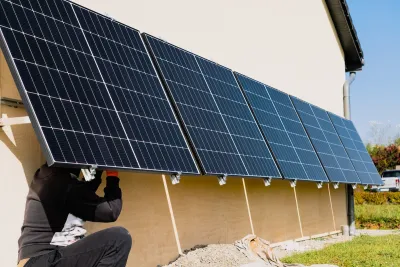
Californians can now plug solar panels right into their walls: Gov. Gavin Newsom signed a bill on Sept. 30 legalizing plug-in solar technology, allowing residents to place solar panels on their balconies or anywhere else within reach of an outlet, and turn their homes into “tiny power plants,” Matt Simon writes for Grist. While plug-in solar panels collect less energy than rooftop panels, they are cheaper and less complicated to install than the rooftop technology.
“[Balcony solar panels offset] some of a residence’s energy use, saving users hundreds of dollars a year, and opens up solar energy to renters with balconies or backyards. As a bonus, the less power homes have to draw from the grid, the less stress they put on the system, especially during heat waves when everyone is running energy-hungry air conditioners,” Grist reports.
Because plug-in solar reduces the amount of energy drawn from a grid, the technology can also help offset some of the extra demand on the grid from data centers and electrification.
Read the full story: California just made it legal to turn balconies into tiny power plants
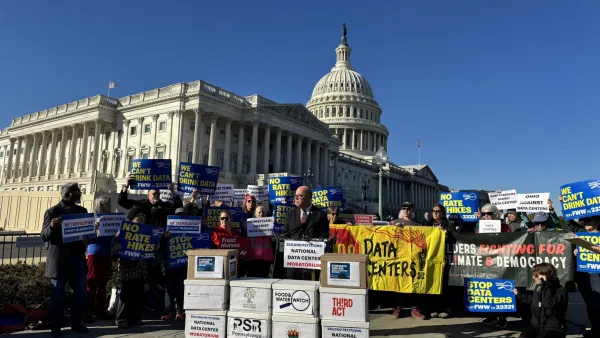
Some incoming, leading US House Dems urge a national moratorium new data centers
McGovern, the top Democrat on the House Rules Committee, called for “an immediate change to the status quo.”
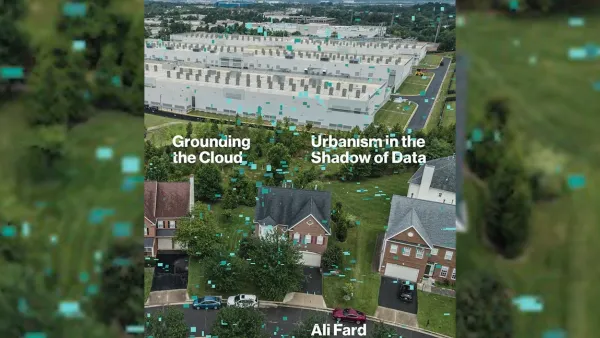
What is the impact of cities' ever-growing reliance on the tech sector?
Book review: "Grounding the Cloud: Urbanism in the Shadow of Data" is an important look at how we define and understand the cloud.
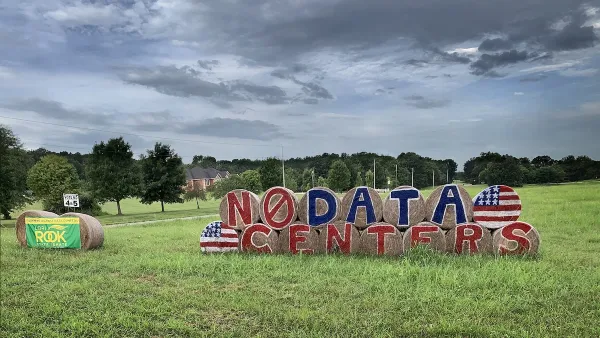
Voters across the country reject data centers
Dozens of communities voted on measures to restrict the buildout of data centers.

Washington state to charge fee to drivers with fuel-efficient cars
Revenue from the fee will go towards supporting the state’s highways.

Illinois considers spending $1 billion in taxpayer money on data center
A quantum computing campus and data center are currently under construction in Chicago.

Trump to blast ‘hydrocarbon highway’ through ‘world’s longest art gallery’
Environmental and historic preservation groups are suing to stop the project.

Passengers in New York, California lift off in air taxis
Two air taxi companies have received a Special Airworthiness Market Survey Certificate, which allows them to service passengers.

MTA to upgrade subway signals for entire network by 2050
This is the first time New York City has planned to modernize subway signals in the Bronx.

Pittsburgh approves ‘enormously unpopular’ bus route overhaul
The new plan slashes Pittsburgh Regional Transit's bus routes from 95 to 87.

FREE Course: Walkable City 1: Why Walkability?
After describing his path towards focusing on walkability as the essence of good planning, Jeff Speck marches through his five principal reasons for making more walkable places.
Reinventing Malls: Planning Alchemy—Turning Gray Fields Into Gold
The course focuses on the opportunities and imperatives that shape reinvention of mall sites.

City of Charlotte
City of Rosemead
Rutgers University, Edward J. Bloustein School of Planning and Public Policy
University of Michigan School for Environment and Sustainability (SEAS)
Hunter College, City University of New York (CUNY)
The Architects Foundation
University District Partnership