The resolution was drafted after Atlanta Mayor Andre Dickens pulled support for the Atlanta Streetcar extension last year.



The Atlanta City Council has unanimously backed all 22 miles of the 3.5 billion Atlanta Beltline light rail project, Joel Mairura writes for Construction Review. City officials are now required to present information on implementing and funding the light rail project to the city council by Jan. 26, 2027.
The resolution was drafted after “Mayor Andre Dickens last year pulled support for the Atlanta Streetcar extension onto the Eastside Beltline,” Mairura reports, and calls for the mayor’s office to collaborate with MARTA and Atlanta Beltline on the project.
“The Atlanta Beltline light rail plan includes three lines: a Beltline Loop, a Northern Loop, and a Southern Loop that will link to downtown Atlanta. In particular, the system consists of 13 stations and bi-directional service running 18.5 hours a day, with trains arriving at overlapping platforms every 10 minutes or so. The Atlanta Beltline Transit Study uses Federal Transit Administration ridership models to estimate 4.2 million rides per year,” Construction Review reports.
Read the full story: $3.5bn Atlanta Beltline Light Rail Project Backed By City Council For Full 22-Mile Loop
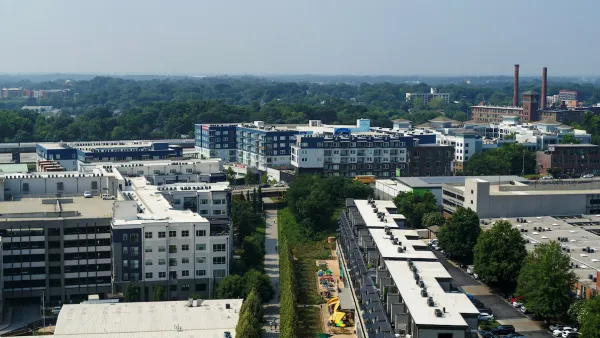
New Study Commissioned for Atlanta BeltLine Transit
The study will assess alignment options for a 13-mile segment of the greenway.
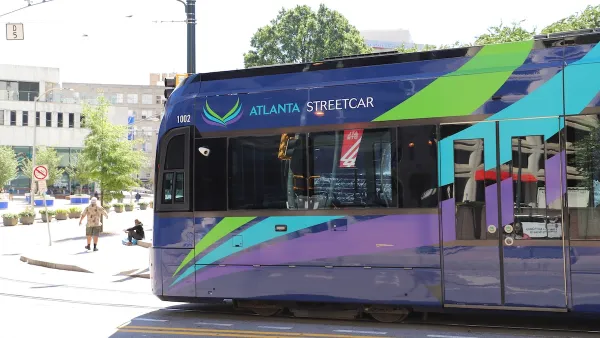
Atlanta Changes Beltline Rail Plan
City officials say they are committed to building rail connections, but are nixing a prior plan to extend the streetcar network.

Atlanta Streetcar Expansion Still Moving Forward
MARTA has drastically reduced its plans to construct new rail transit, but one project still has political support from the top at City Hall.

Planetizen Federal Action Tracker
A weekly monitor of how Trump’s orders and actions are impacting planners and planning in America.

California plans to bury El Niño’s downpour
If the state plays its cards right, it may be able to store a billion acre-feet of El Niño’s water in aquifers.

Desperate measures: Advocates weigh draining Lake Powell to fill Colorado River
Draining the reservoir could reduce evaporation losses by a couple hundred thousand acre-feet.

Housing is the top priority of Seattle’s sole new councilmember
Jenks campaigned on building 1,000 new units of affordable housing.

New tax cuts may slash $1.5 billion in funding for Miami transit, public parks
Amendment 3 will save Miami-Dade homeowners $2,700 in 2028.

Arizona, Wisconsin, Pennsylvania hope to finally advance climate goals post-midterms
The three states have spent years under Republican or divided control.

FREE Course: Walkable City 1: Why Walkability?
After describing his path towards focusing on walkability as the essence of good planning, Jeff Speck marches through his five principal reasons for making more walkable places.
Reinventing Malls: Planning Alchemy—Turning Gray Fields Into Gold
The course focuses on the opportunities and imperatives that shape reinvention of mall sites.

City of Rosemead
Rutgers University, Edward J. Bloustein School of Planning and Public Policy
One Hundred Miles
University of Michigan School for Environment and Sustainability (SEAS)
Hunter College, City University of New York (CUNY)
The Architects Foundation
City of Cambridge
Montrose County
The Pocatello Development Authority