The plan lists a wide range of goals, from improving pregnancy-related health outcomes for Black New Yorkers to building more affordable housing.


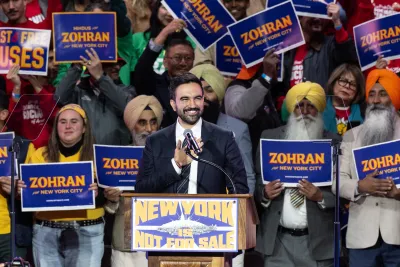
New York City Mayor Zohran Mandami and the Mayor’s Office of Equity and Racial Justice released the city’s first-ever racial equity plan on Sept. 1. The plan details eight citywide goals with deadlines in 2034, including to increase the production of affordable housing and reduce unemployment rates among Black, Latino and Asian American New Yorkers.
Mandami and MOERJ released a preliminary racial equity plan in April and solicited public comment for 30 days. The MOERJ worked with 45 city agencies to strengthen the plan’s goals, strategies and indicators, Kristen Guglielmo writes for Queens Chronicle.
Additional goals include improving pregnancy-related health outcomes for Black New Yorkers and reducing racial disparities in transportation access by improving bus service to communities experiencing transportation burdens. The plan also looks to reduce NYC’s jail population, operationalize smaller borough-based jail facilities and reduce racial disparities in literacy, numeracy and social-emotional development.
Read the full story: Mayor releases final racial equity plan


Data reveals that NYC’s bet on congestion pricing has paid off
After almost two years of the program, reports show positive impacts on traffic and air quality and no disruptions to parking.

Exemption applications for NYC’s pied-à-terre tax see 55% success rate
The city sent nearly 40% of its initial pied-à-terre tax warnings erroneously.
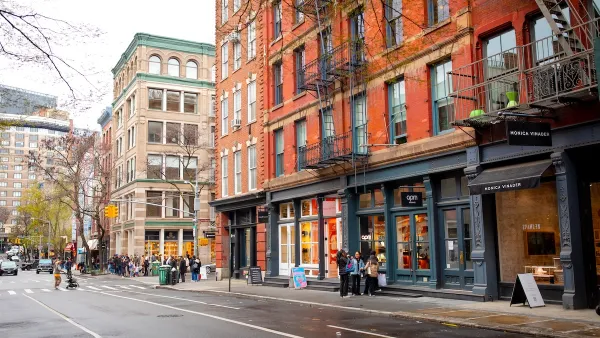
NYC building owners overwhelmingly comply with new emissions limits
The New York City Department of Buildings is fining owners who did not file emissions reports.

Planetizen Federal Action Tracker
A weekly monitor of how Trump’s orders and actions are impacting planners and planning in America.
Data reveals that NYC’s bet on congestion pricing has paid off
After almost two years of the program, reports show positive impacts on traffic and air quality and no disruptions to parking.
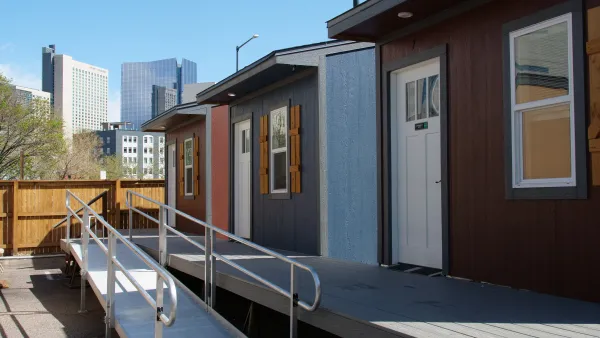
Denver is solving homelessness. Why aren't the rest of us?
Since 2023, Denver's street homeless population has decreased by 64%, proving that effective tools exist to support those in need of housing.

Michigan needs billions to save its water infrastructure. The state won't fund it
Michigan needs to invest $2.8 billion per year over the next 20 years to fix its water infrastructure. The FY 2027 budget allocates only $27.9 million.

Trump asks Supreme Court to allow border wall through Texas national park
Judge Kathleen Cardone previously blocked the Big Bend border wall project, and Texas’ Land Commissioner has spoken out against it as well.

This MA town is drowning in its own sewage — and residents like it that way
Susan Murcott, a waste water expert, said if Carlisle didn't address their leaking sewage, the problem could turn “deadly.”

FREE Course: Walkable City 1: Why Walkability?
After describing his path towards focusing on walkability as the essence of good planning, Jeff Speck marches through his five principal reasons for making more walkable places.
Reinventing Malls: Planning Alchemy—Turning Gray Fields Into Gold
The course focuses on the opportunities and imperatives that shape reinvention of mall sites.

City of Rosemead
Rutgers University, Edward J. Bloustein School of Planning and Public Policy
One Hundred Miles
The Architects Foundation
University of Cincinnati Online
Montrose County
Northern Illinois Transit Authority (NITA)
The Pocatello Development Authority