The Community Land Trust development will use a shared equity model to keep homes affordable for the next 99 years.


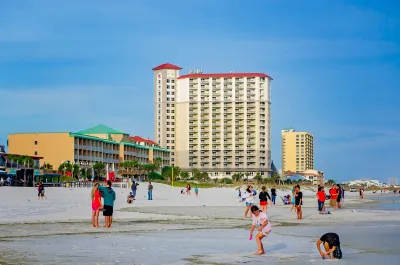
The City of Pensacola took a step towards increasing permanent affordable housing yesterday, transferring a piece of land to the Northwest Florida Community Land Trust for the development of nine affordable units by Habitat for Humanity, and paying $590,000 into the Trust to subsidize construction and homebuyer assistance.
The annual cost of these homes is set to be no more than one-third of a person's income who is making between 80% and 120% of the area's median income. Pensacola Habitat for Humanity will find qualified buyers for each house, writes Jim Little for Pensacola News Journal.
The new homes will be built on the lot of the former Malcolm Yonge Gym, which the city demolished in 2023 for this project. The private school the gym served had already shut its doors, as the wooden support beams were rotted and would have cost $1 million to replace.
Read the full story: Pensacola’s first ever permanently affordable housing project is official


Houston Habitat for Humanity builds modular homes in one-third the construction time of traditional houses
The nonprofit known for facilitating affordable homeownership is working to cut costs as traditional construction becomes more expensive.
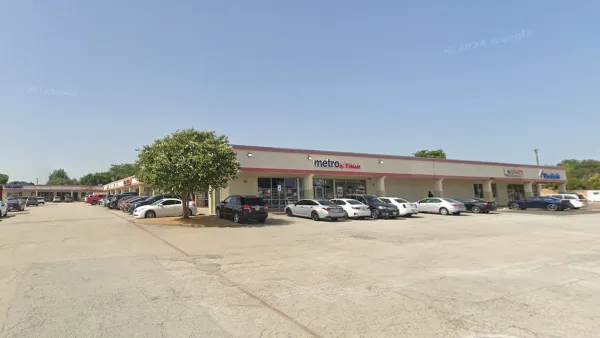
Adaptive Reuse Will Create Housing in a Suburban Texas Strip Mall
A developer is reimagining a strip mall property as a mixed-use complex with housing and retail.

Habitat for Humanity and Missoula Land Trust Team up on Affordable Housing
The partnership will ensure the new homes will remain affordable for future buyers.

Planetizen Federal Action Tracker
A weekly monitor of how Trump’s orders and actions are impacting planners and planning in America.

‘Going backwards:’ Baltimore mayor, students rally against state's transit funding plan
Maryland's proposed six-year plan provides no funding for Baltimore’s BMORE bus program and reduces its road maintenance funding.

Detroit to transform waterfront with $2.2 billion investment
Developers will convert about 18 acres of unused parking lot space into civic spaces.

U.S.-Iran war may have ‘devastating’ impact on cost to warm homes
Vermont and Maine residents may see a 76% increase in the cost of warming their homes this winter.

Senate bill would ‘overhaul’ environmental permitting laws
Under the proposed act, government agencies would also not be able to suspend or rescind permits after granting them.

Exemption applications for NYC’s pied-à-terre tax see 55% success rate
The city sent nearly 40% of its initial pied-à-terre tax warnings erroneously.

FREE Course: Walkable City 1: Why Walkability?
After describing his path towards focusing on walkability as the essence of good planning, Jeff Speck marches through his five principal reasons for making more walkable places.
Reinventing Malls: Planning Alchemy—Turning Gray Fields Into Gold
The course focuses on the opportunities and imperatives that shape reinvention of mall sites.

One Hundred Miles
County of Mendocino
planning NEXT
The Architects Foundation
University of Cincinnati Online
Montrose County
Northern Illinois Transit Authority (NITA)
The Pocatello Development Authority