A U.N.-backed program lets students and community members reimagine sites in their neighborhoods in the game — and translate them into real-life buildings.


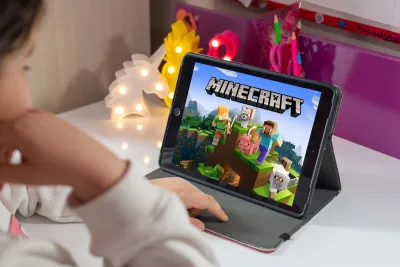
Since 2012, a U.N.-Habitat-supported foundation has been using the video game Minecraft to engage students in the urban design process, leading to the building of over 150 real structures in 55 different countries.
As Natalie Donbeck explains in the New York Times, organizations around the world can apply to the program, and those selected receive funding and technical guidance to engage the community, run a workshop and build the final designs with budgets of up to $200,000. "Once the Minecraft designs are ready, they take turns presenting their ideas before voting on which models should be built in real life. Professional architects and urban planners then translate the Minecraft models into sketches and drawings that could be used for construction."
Donbeck adds, "The game’s open-ended design and building tools allow players to reimagine real-life spaces like abandoned riverbanks, dark alleys and dump sites, making it one of the main tools used to involve citizens, especially youth, in redesigning urban areas."
According to Games for Urban Futures foundation head James Delaney, the game also helps shift the dynamic between adult and child workshop participants. "The power dynamic between the two is flipped because the younger person instantly knows Minecraft and can be quite quick at it," Delaney explains.
Read the full story: Minecraft Is Helping Kids Redesign Their Cities


Planning Communities for Thriving Children
When it comes to children's health and economic success, current trends are dismal. New research identifies how to plan communities where children can thrive. The secret? Compact, mixed-income, multimodal neighborhoods.
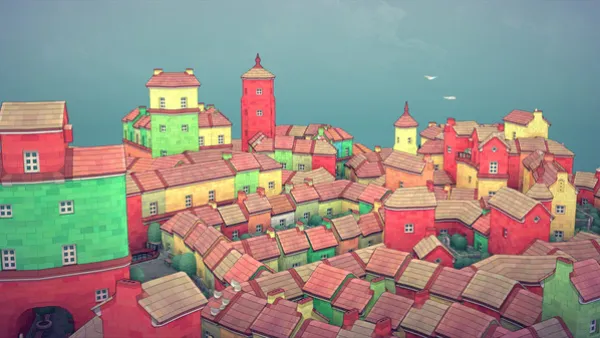
Town Building Game Offers Moments of Pandemic Zen
Townscraper, a new "casual town building" game earned good reviews among early adopters this summer.
My Future City is Houston?
The BMW Guggenheim Lab has released an online urban planning game called "Urbanology," which asks a serious of questions to determine the type of city you think is the future.

Planetizen Federal Action Tracker
A weekly monitor of how Trump’s orders and actions are impacting planners and planning in America.

Amtrak, CN end decades-long dispute with eight-year agreement
The new operating agreement establishes an updated framework for the companies to work together, including processes to resolve disputes.

Northwest rail fans eager for Sept. 30 debut of Amtrak’s Airo fleet
Get ready for that new train smell and more seats. But they won’t go faster or run more frequently on the Cascades route in Washington and Oregon.

Brightline Florida files for bankruptcy
The transit company is over $5 billion in debt.

St. Louis Metro to test if single-car trains can reduce operating costs, maintain rider satisfaction
The pilot program will run from October to spring 2027, and begin with one single-car train operating on Metrolink’s Red and Blue lines.

Pennsylvania is building data centers in abandoned mines
Housing data centers in mines provides an alternative to destroying local forests and may spare residents from data centers’ noise and air pollution.

FREE Course: Walkable City 1: Why Walkability?
After describing his path towards focusing on walkability as the essence of good planning, Jeff Speck marches through his five principal reasons for making more walkable places.
Reinventing Malls: Planning Alchemy—Turning Gray Fields Into Gold
The course focuses on the opportunities and imperatives that shape reinvention of mall sites.

City of Thousand Oaks
City of Wisconsin Rapids
Harvard University Graduate School of Design
The Architects Foundation
University of Cincinnati Online
The Pocatello Development Authority
The Urban Renewal Agency of the City of Pocatello