Valencia, Temescal, H Street and the fickle fortunes of the gentrified neighborhood.


This piece was originally published in The Urban Condition.
Something strange is happening on some of America’s trendiest shopping streets. Neighborhoods that not so long ago graced Esquire lists of the best bars in America are now showing up in news reports on high crime and economic collapse.
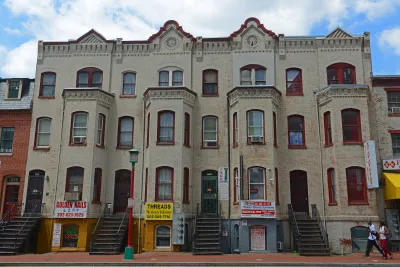
Temescal in Oakland, Valencia Street in San Francisco and H Street in Washington D.C. are among the high-profile, hyper-gentrified neighborhoods whose woes have recently been featured in major stories. Similar phenomena have been reported in hip urban neighborhoods like Melrose Avenue in Los Angeles and Uptown Minneapolis.
Call it de-gentrification: A neighborhood economic development success story — or a searing symbol of growing urban inequality — whose fortunes have suddenly turned.
This trend should be taken with several grains of salt, as I’ll explain below. Still, I think this apparent wave of de-gentrification is revealing. It’s demonstrating, in real time, how the rapid evolution of neighborhoods is the norm, rather than exception, in the long arc of urban history. In fact, the attributes that enabled the aforementioned neighborhoods to gentrify — at least in the surface-level sense in which the term is usually understood — are the very same factors that are now contributing to a different narrative.
A neighborhood is alive
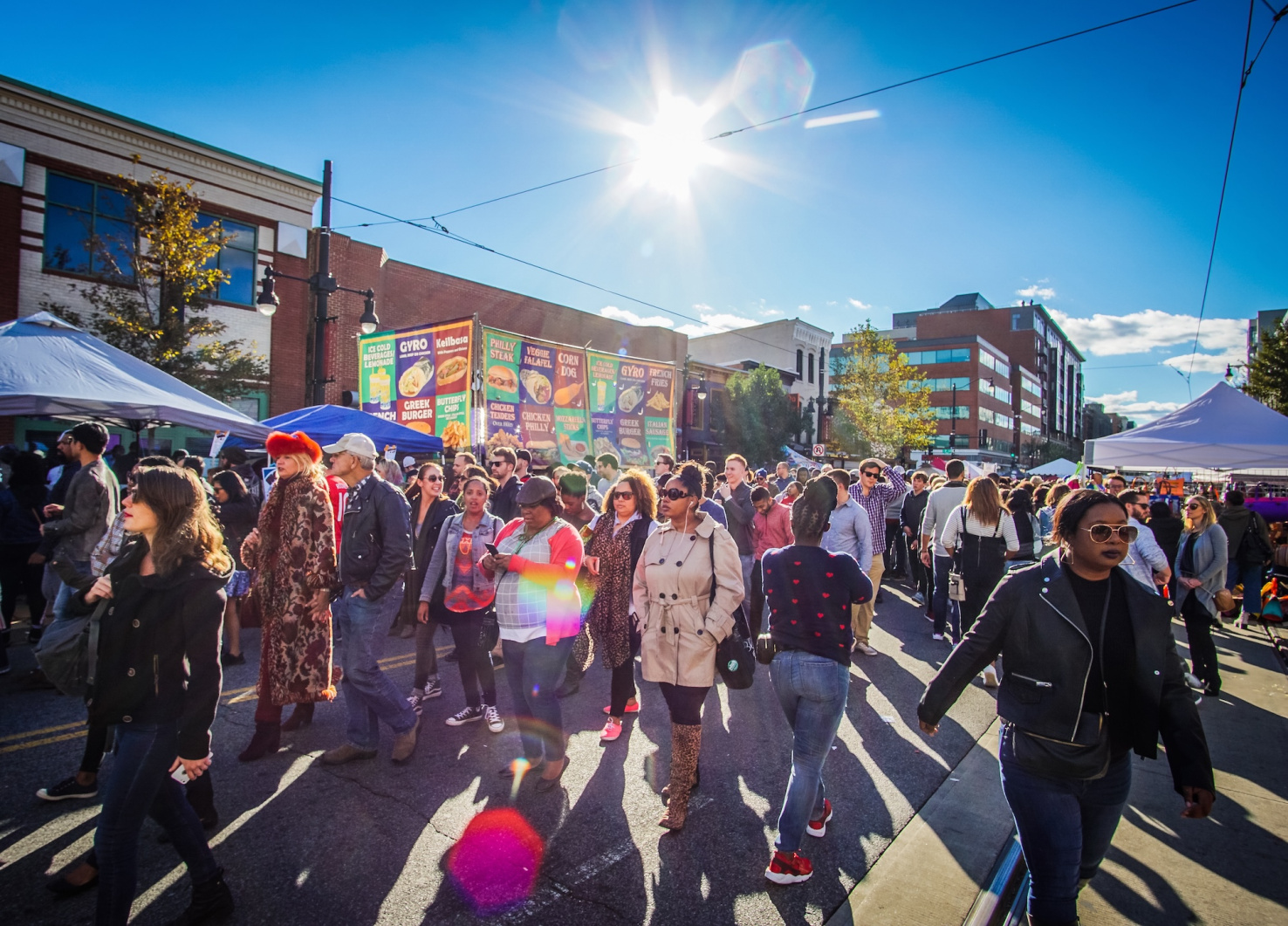
Fine-grained urban neighborhoods with a diverse building stock, a mix of commercial and residential spaces and relatively permissive zoning and permitting rules are extraordinarily dynamic places. These are not malls or gated communities where everything is meticulously controlled from on high. They are subject to millions of variables, and constantly buffeted by shifting social and economic forces. Their identities are fleeting and fickle.
De-gentrification, to the extent that it’s occurring, should offer a small dose of comfort to those who have looked on with unease as once working-class neighborhoods turned into playgrounds for the wealthy. And it should give pause to those who think that urban neighborhoods could be effectively suburbanized and cleansed of urban problems. For everyone else, the emergence of de-gentrification should complicate sweeping proclamations about the manner and style in which neighborhoods evolve.
A certain amount of level-setting is necessary here. First of all, things are probably not as bad as you’ve heard in all of these so-called struggling neighborhoods. Take it from a former newspaper reporter: Even in the mid-2020s, media outlets and their audience still love crime stories. They (and we) also love "the higher they climb, the harder they fall" narratives. See: "H Street was once a symbol of D.C.’s rebirth. Now, it’s barely holding on." This arc, on a more macro scale, is also why San Francisco’s "doom loop" narrative is so compelling.
There’s an element of schadenfreude to this trend, as well: Neighborhoods being reclaimed by the grittier elements of society from the rich and the twee. But for people who have been displaced from their beloved neighborhood or city, no amount of poetic justice will ever be enough.
Then there’s the simple fact that the restaurants, bars and specialty boutiques that define gentrified retail corridors are notoriously difficult businesses with very high rates of failure. They were hammered by the decline in tourism and leisure spending during the pandemic and had a huge financial hole to climb out of. Many of these businesses wouldn’t have made it regardless of their neighborhood’s socio-economic conditions.
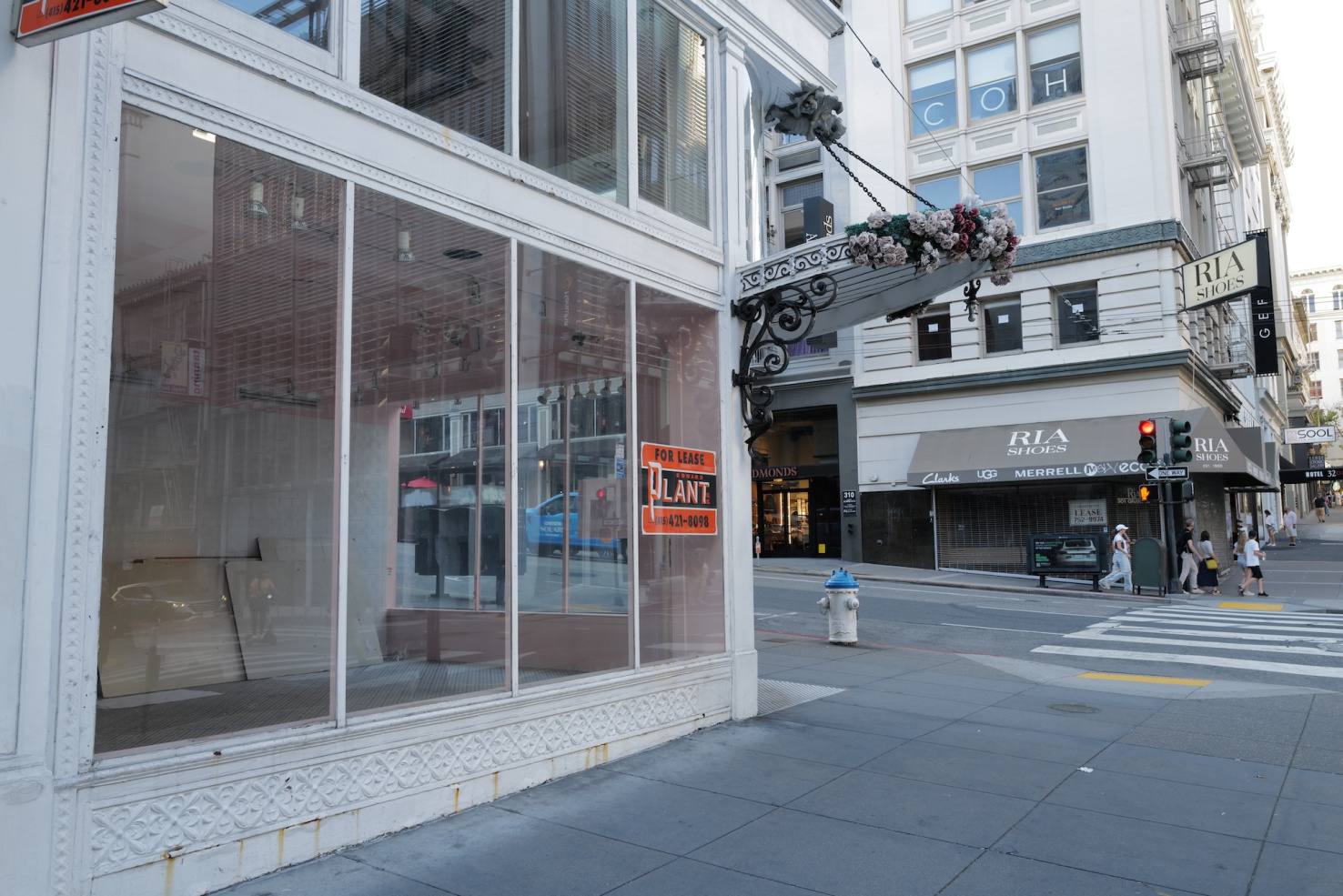
Still, something real is happening here. Valencia Street feels different than it did a year ago, with more shuttered businesses and somewhat thinner crowds. Friends of mine tell me they’re spending less time there as neighborhoods like the Sunset, the Richmond and NoPa become more popular restaurant and nightlife destinations.
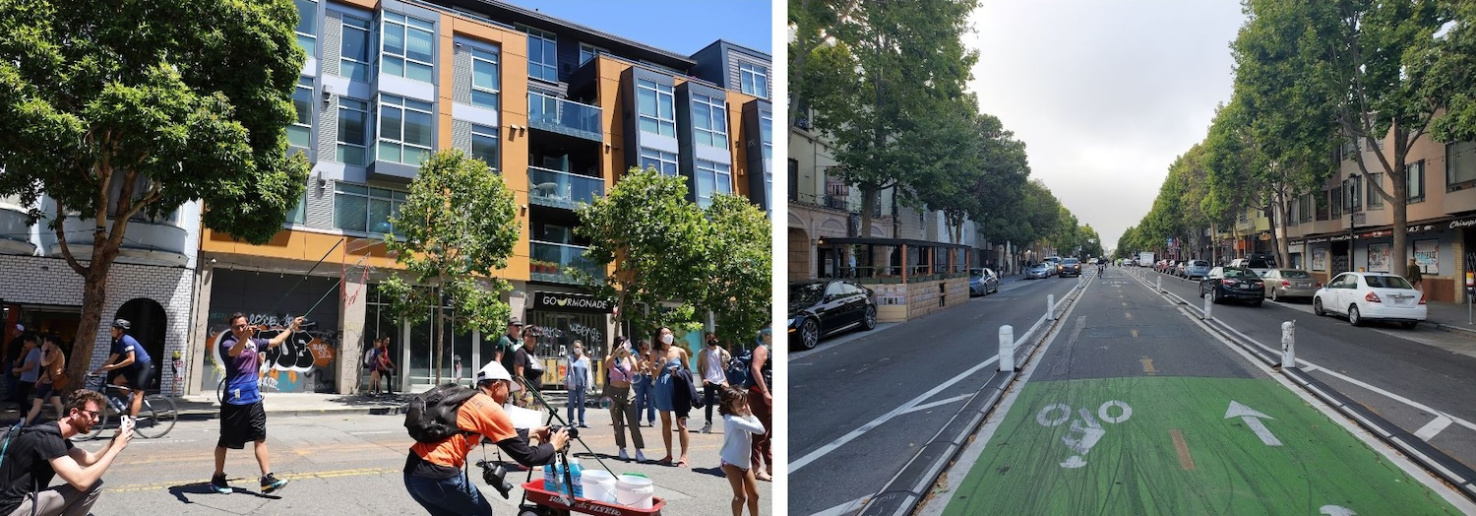
Some Valencia Street business owners say they’ve seen sales decline by as much as 50% over the past year. Many of them blame the installation of a protected center-running bike lane for their troubles, but city sales tax data indicates that the economic slowdown is consistent across the Mission District. That neighborhood has seen a rise in violent crime, illegal vending and homeless encampments over the past year as the city sought to clean up the Tenderloin and other downtown neighborhoods in what is essentially a giant game of whack-a-mole.
There are obviously many victims of de-gentrification. There are the people who experience crime firsthand; the people who lose their jobs; the people who lose access to beloved businesses and essential community services; the business owners themselves and, who could forget, the landlords and property owners who will lose their shirts.
But, as urban history shows, there are also beneficiaries of neighborhood economic decline. New business owners who can come in at a lower price point and new residents can afford to live in a neighborhood past its prime. This may be a moment of opportunity to reimagine the streetscape so it’s more walkable and inviting, or reconsider what sorts of businesses and institutions would be successful in these neighborhoods.
Doom loop or golden age?
For the most part, the de-gentrification we see today is only skin deep. It is consistent with the popular understanding of gentrification as an "I know it when I see it" phenomenon disconnected from a more empirical analysis of rents, displacement, evictions, etc. By those metrics, some of the most gentrified neighborhoods in America are those that have changed the least on the surface, like New York City’s historic districts.
A substantive kind of de-gentrification, where neighborhoods become less expensive and exclusive, is possible. And it is not, in some perverse way, contingent upon high crime rates and boarded-up storefronts. Consider Eastern Parkway in Brooklyn. In the late 19th century, this Frederick Law Olmsted-designed road was lined with mansions. These houses were largely replaced by apartment buildings that originally housed the upper middle class, but eventually came to be occupied by low-income Black and Hasidic families. Or consider South Park in San Francisco, another 19th century mansion neighborhood that eventually became an impoverished industrial area.
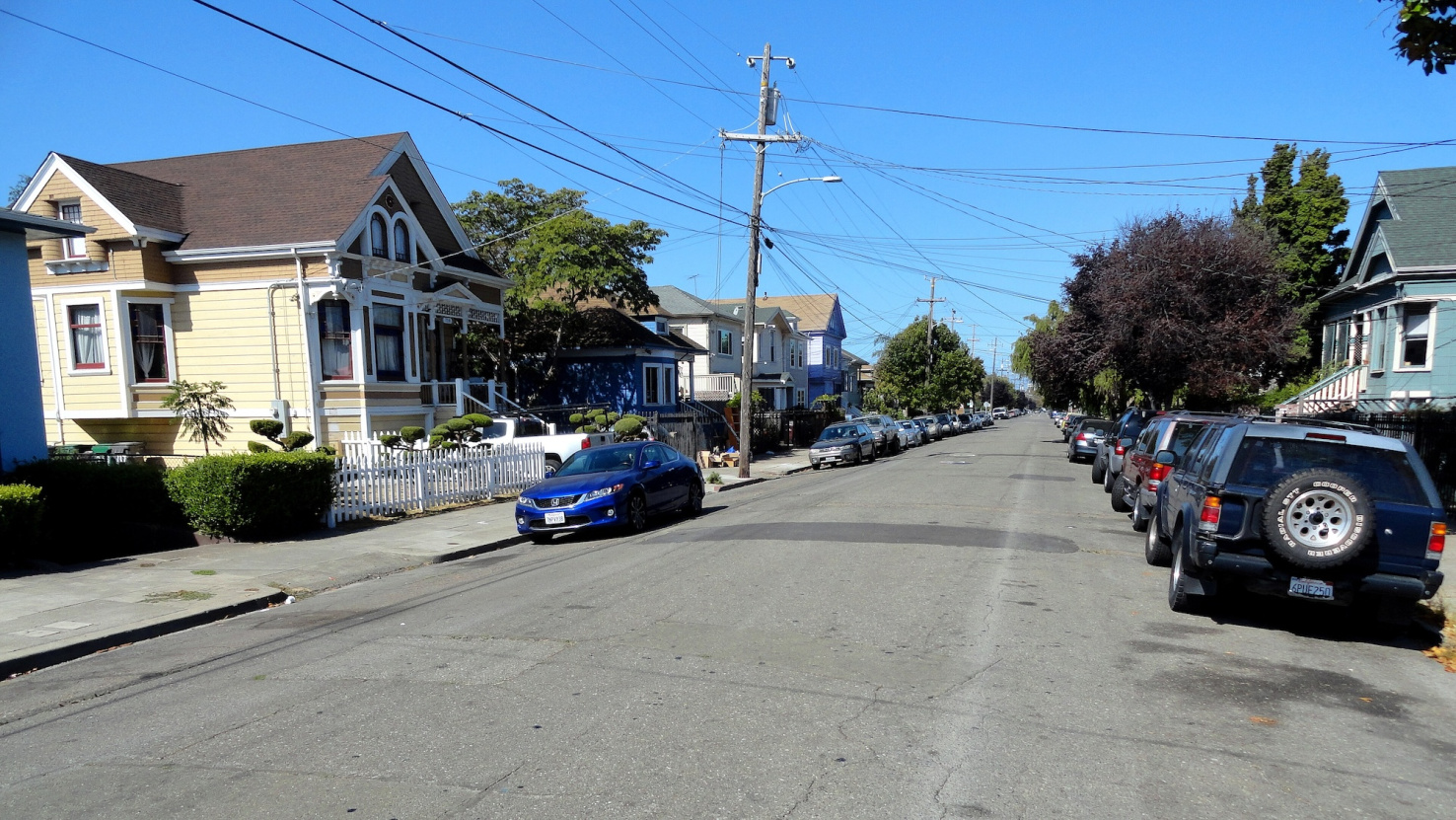
In more recent years, both of these neighborhoods gentrified considerably. It’s the latest chapter in a long and convoluted story, and it certainly won’t be the last. The meaning of each chapter depends a great deal on the reader. Economic and cultural high points may not correlate. One person’s golden age may be another person’s doom loop, and vice versa.
None of this is to whitewash the real pain of gentrification or neighborhood economic decline for those who are caught in the middle of it. But for those of us watching from the sidelines, reading newspaper reports and absorbing narratives about neighborhoods in which we don’t currently live, a little historical perspective can go a long way.
—
Benjamin Schneider is a senior investigative and policy reporter at Remapping Debate. He is the author of "The Unfinished Metropolis: Igniting the City-Building Revolution."

Detroit greenway brings revival — and fears of displacement
The planned Joe Louis Greenway is already bringing change to the neighborhoods near it.
Beltline Surpasses Annual Affordable Housing Goal
The Atlanta Beltline agency is actively working to prevent the displacement of longtime residents along the trail system, where property values are rising rapidly.
Philly Residents Push Back on New Historic Preservation District
Some residents of Philadelphia’s newly designated Washington Square West Historic District say the community was left out of the decision-making process that could impact housing costs and building requirements.

Planetizen Federal Action Tracker
A weekly monitor of how Trump’s orders and actions are impacting planners and planning in America.

California plans to bury El Niño’s downpour
If the state plays its cards right, it may be able to store a billion acre-feet of El Niño’s water in aquifers.

Chicago breaks ground on $3 billion megadevelopment
The new neighborhood, titled Foundry Park, will one day host 3,700 residences.

One of Denver’s busiest corridors to gain BRT
The project will span 18 miles and contain 74 bus rapid transit stations.

275,000 bus trips are at stake on Seattle's ballot
If passed, the Seattle Transit Measure would trigger a 0.3% sales tax and raise an average of $138 million per year to maintain and expand Seattle’s bus services.

Texas may pay Israeli company billions to ease water woes
Texas awarded IDE Technologies the contract for its Harbor Island project, which is slated to become the Western Hemisphere's largest desalination plant.

FREE Course: Walkable City 1: Why Walkability?
After describing his path towards focusing on walkability as the essence of good planning, Jeff Speck marches through his five principal reasons for making more walkable places.
Reinventing Malls: Planning Alchemy—Turning Gray Fields Into Gold
The course focuses on the opportunities and imperatives that shape reinvention of mall sites.

City of Rosemead
Rutgers University, Edward J. Bloustein School of Planning and Public Policy
One Hundred Miles
Hunter College, City University of New York (CUNY)
The Architects Foundation
University of Cincinnati Online
City of Cambridge
Montrose County
The Pocatello Development Authority


