A near-collapse at the former Pfizer headquarters raised concerns about the office-to-housing project.


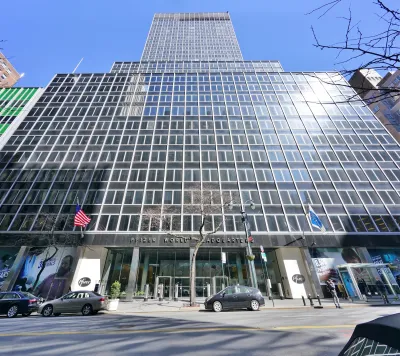
A scare at a Manhattan building project that prompted evacuations highlights the complexities of turning office buildings into housing, according to an Associated Press article.
Two steel columns inside the former Pfizer headquarters buckled as the two buildings undergo a major office-to-housing renovation, the article goes on. Engineers working on the site say the project is complex, but the setback should not make people doubt the promise of adaptive reuse.
The damage was likely caused by added weight from widening the top 15 floors of the building. According to structural engineer Emily Guglielmo, adding new floors requires reviewing original construction documents and inspecting buildings to determine how additional floors will impact the structure. According to Joshua Harris, director of Fordham University’s Real Estate Institute, the incident should serve as a "gut check" for the adaptive reuse industry to ensure that building retrofits are safe.
Read the full story: New York City construction scare highlights the challenges of converting offices into housing


NYC Mayor Proposes Office Conversion Plan
Proposed zoning updates that would make it easier to convert office buildings in commercial districts to housing and other uses could yield up to 20,000 new housing units in the next decade.

San Antonio Office Tower To Become Residential
With the building more than half vacant, the new owners of the Tower Life Building plan to convert the historic tower into residences that could include affordable housing.

New Jersey affordable housing requirements spur infill development across the state
A 50-year-old law continues to reshape development around housing goals.

Planetizen Federal Action Tracker
A weekly monitor of how Trump’s orders and actions are impacting planners and planning in America.

Data reveals that NYC’s bet on congestion pricing has paid off
After almost two years of the program, reports show positive impacts on traffic and air quality and no disruptions to parking.

HUD modernizes 50-year-old manufactured housing framework
The Next Generation Manufactured Housing Action Plan establishes new energy-efficiency standards for manufactured homes, and new guidelines for anchoring them.

Small single-family homes are illegal in most of MA. Voters can change that
Most land zoned for single-family housing in Massachusetts requires at least 40,000 square feet of land per house.

Public steps inside U.S.’s first battery-powered train
Metra’s groundbreaking train feature modern seats and a futuristic battery car.

Companies show off AI technology, new innovation hubs at APTA Expo
Nearly 700 companies attended the American Public Transportation Association’s Expo last week, which happens once every three years.

FREE Course: Walkable City 1: Why Walkability?
After describing his path towards focusing on walkability as the essence of good planning, Jeff Speck marches through his five principal reasons for making more walkable places.
Reinventing Malls: Planning Alchemy—Turning Gray Fields Into Gold
The course focuses on the opportunities and imperatives that shape reinvention of mall sites.

One Hundred Miles
County of Mendocino
planning NEXT
The Architects Foundation
University of Cincinnati Online
Montrose County
Northern Illinois Transit Authority (NITA)
The Pocatello Development Authority