Amenities like ample public transit, affordable retail and non-gendered bathroom spaces can make cities more safe and welcoming for transgender residents — and everyone else.


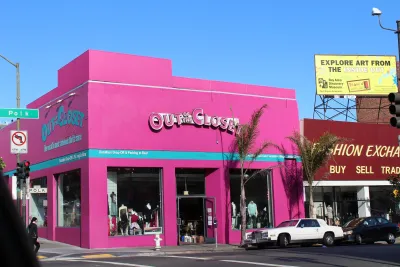
In an opinion piece in Greater Greater Washington, Dan Malouff explains how everyday infrastructure and public spaces can become important refuges and social hubs for queer people.
"One of the many wonderful things about great cities is how free they are, how they empower diverse people with the freedom to be themselves," Malouff writes.
Malouff lists eight aspects of urban life that empower transgender people and offer the freedom to feel welcome and safe. These include: thrift stores, which offer an affordable opportunity for trans people to experiment with new clothing and looks; public libraries and free WiFi, which offer a place to research and learn about the community without judgment; genderless bathrooms, which help people avoid harassment and abuse; and safe, anonymous third spaces that let people exist in public without scrutiny.
For Malouff, "The whole point of cities is to be places for diverse people to come together and pursue diverse needs. That’s literally why cities exist."
Read the full story: Thrift stores are trans infrastructure, and other aspects of Transgender Urbanism
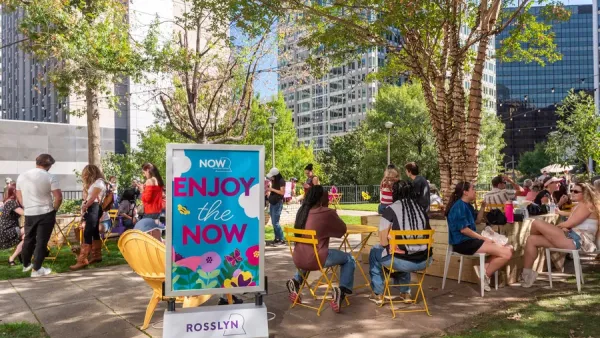
Arlington's 'pop-up park' activates a vacant plaza
Third spaces don't have to be permanent.
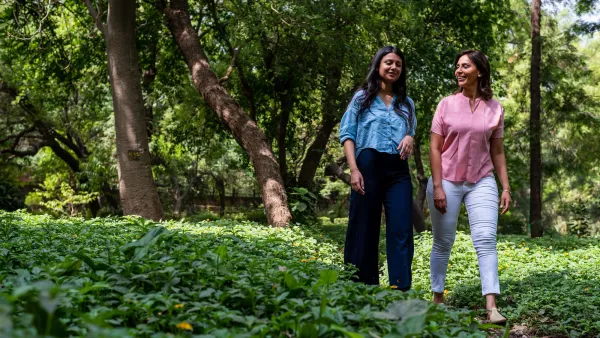
India’s Women-only ‘Pink Parks:’ Safe Refuge or Segregated Enclaves?
Women-only public spaces can provide safety and community, but critics argue they fail to address deeper structural problems.
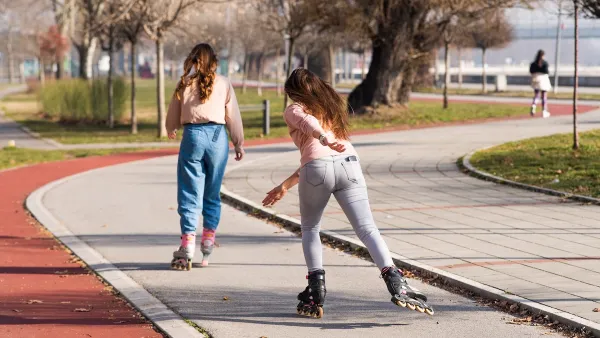
How Public Spaces Exclude Teen Girls
Adolescent girls face unique challenges and concerns when navigating public spaces. We can design cities with their needs in mind.

Planetizen Federal Action Tracker
A weekly monitor of how Trump’s orders and actions are impacting planners and planning in America.

Eastern Nebraska is running out of electricity
Data centers and electrification are straining eastern Nebraska’s grid, throttling economic development.

Study reveals best places in the U.S. for cycling, walking
New research from Streetlight Data examines bicycle and pedestrian miles per capita in the 100 largest U.S. cities by population.

Next-generation nuclear reactors are coming to Texas
The reactors will not require towering containment structures thanks to new safety features.

California distributes $1.3 billion to prevent transit service cuts, bolster projects
Twenty-eight projects across California received a portion of the funding.

Pennsylvania Democrats have 15 affordability, clean energy bills for flipped state Senate
Bills in consideration include a bill supporting geothermal energy and a bill supporting solar on warehouses.

FREE Course: Walkable City 1: Why Walkability?
After describing his path towards focusing on walkability as the essence of good planning, Jeff Speck marches through his five principal reasons for making more walkable places.
Reinventing Malls: Planning Alchemy—Turning Gray Fields Into Gold
The course focuses on the opportunities and imperatives that shape reinvention of mall sites.


City of Charlotte
City of Rosemead
Rutgers University, Edward J. Bloustein School of Planning and Public Policy
University of Michigan School for Environment and Sustainability (SEAS)
Hunter College, City University of New York (CUNY)
The Architects Foundation
City of Cambridge
The Pocatello Development Authority
The Urban Renewal Agency of the City of Pocatello