Women-only public spaces can provide safety and community, but critics argue they fail to address deeper structural problems.


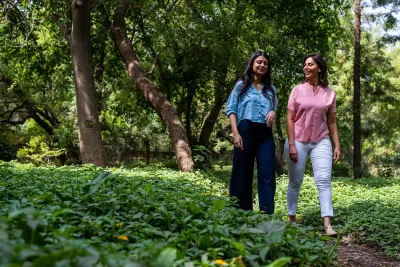
Indian cities such as Delhi and Mumbai are creating ‘women-only’ parks and gardens in an effort to improve safety for women in urban spaces, but some are questioning whether the so-called ‘pink parks’ are exacerbating, rather than solving, a problem.
In an opinion piece in Next City, Sabah Gurmat describes how women-only parks have grown as an idea since Delhi launched a plan to build 250 of them in 2023. “These separate public spaces were meant to increase women’s access to public spaces in the capital, where incidents of sexual harassment, uncomfortable stares and overwhelming predominance of men in public spaces remain rampant.”
In a 2011 book, feminist scholars Shilpa Phadke, Sameera Khan, and Shilpa Ranade argue that Indian society “opts to confine women” rather than making public spaces safer for them, and that “segregated spaces, including parks like these, ultimately reinforced gender” without addressing structural issues.
However, the spaces offer real comfort, safety, and the opportunity to socialize and spend time outdoors for particularly lower-income women, who don’t have access to more exclusive spaces.
FULL STORY: Indian Cities Look to ‘Pink Parks’ as an Imperfect Urban Safety Solution

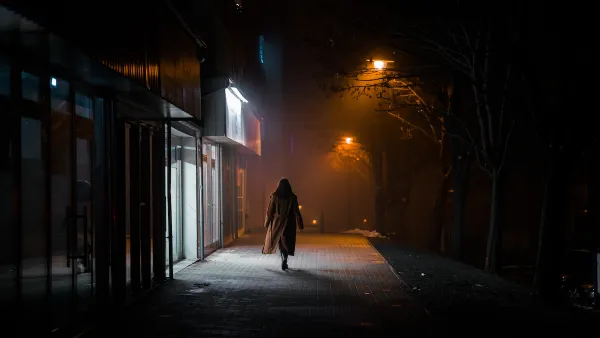
Designing Safer Cities
For women and other vulnerable groups, navigating the urban space can be fraught with real and perceived dangers.
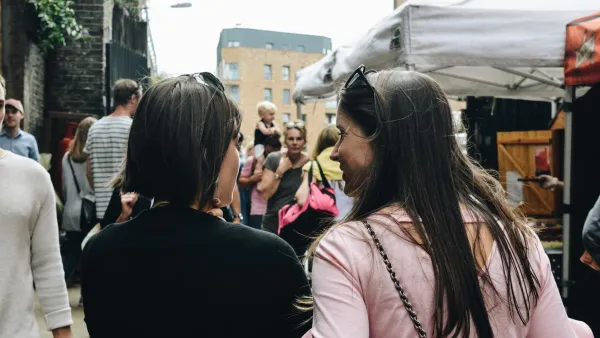
Urban Design Through a Gender Lens
Building cities to be safe and accessible for women and LGBTQIA+ people has benefits for all users of public space.

Thrift stores, public libraries and genderless bathrooms: How public amenities become trans infrastructure
Amenities like ample public transit, affordable retail and non-gendered bathroom spaces can make cities more safe and welcoming for transgender residents — and everyone else.

Planetizen Federal Action Tracker
A weekly monitor of how Trump’s orders and actions are impacting planners and planning in America.

The state-sanctioned urbicide of Austin
People don’t kill cities. Freeways do.

US to reduce Colorado River water deliveries to Mexico
A new Colorado Treaty amendment reduces Mexico’s Colorado River water allocation by 250,000 acre feet.

Amtrak not solely to blame for New Jersey commuter rail's unreliability, report finds
A new study from the Garden State initiative found that NJ Transit’s budget grew 20% across a 4 year period, but reliability declined significantly over the same period.

EPA erases limits on planet-warming pollution from power plants
Under Monday’s plan, power plants would still have some limits on how much mercury, arsenic and other contaminants they can emit.

Phoenix announces new on-demand transit service, more frequent RAPID buses
Both new services will launch in October, and are part of Phoenix's Project Effective Access Solutions for Easing Congestion.

FREE Course: Walkable City 1: Why Walkability?
After describing his path towards focusing on walkability as the essence of good planning, Jeff Speck marches through his five principal reasons for making more walkable places.
Reinventing Malls: Planning Alchemy—Turning Gray Fields Into Gold
The course focuses on the opportunities and imperatives that shape reinvention of mall sites.

Eagle County Government
Harvard University Graduate School of Design
Nashville Planning Department
The Architects Foundation
University of Cincinnati Online
The Pocatello Development Authority
The Urban Renewal Agency of the City of Pocatello
Journal of the American Planning Association