Jonathan Tarleton’s "Homes for Living: The Fight for Social Housing and a New American Commons" shows what happens when a loophole in housing legislation opens the door to the privatization of a common good — and when an affordable home suddenly becomes a commodity.




This review is part of a special collaboration between Planetizen and Booked on Planning, a biweekly podcast where AICP planner Stephanie Rouse and Jennifer Hiatt chat with authors of the latest books shaping urban planning today. Listen to the episode with today’s author in the player below.
The term "social housing" evokes images of towers dotting London neighborhoods or of Vienna, Austria, widely considered the social housing capital of the world. American cities don’t usually spring to mind. "Homes for Living: The Fight for Social Housing and a New American Commons" by Jonathan Tarleton shines a light on a rare exception: the New York City limited equity co-ops created by the Limited Profit Housing Act (known locally as the Mitchell-Lama program) of 1955.
The story traces the threat to the co-ops' continued existence — a threat coming from internal pressures, not external, as one might expect. The government-backed mortgages that built the co-ops from the 1950s to the 1970s came with decades-long compliance periods that required the units to remain affordable. But when co-ops paid off their mortgages, they could start exploring privatization. This move would give co-operators (i.e. owners) big payouts if they sold, but remove all future affordability for the thousands of families on the wait list for a Mitchell-Lama unit.
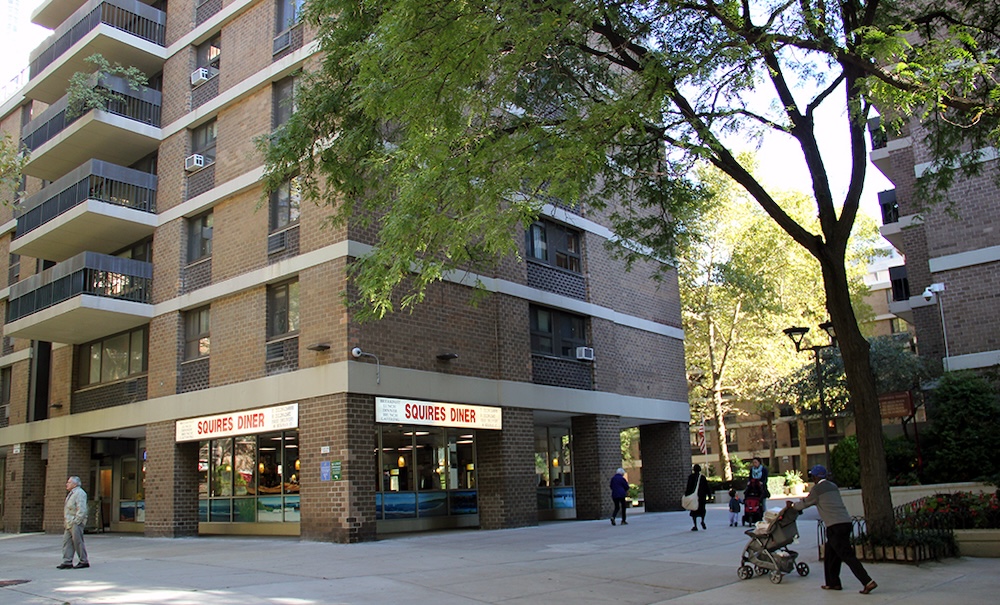
In Tarleton’s book, the privatization battle unfolds through the parallel stories of two Mitchell-Lama co-ops — Southbridge and St. James Place. The co-ops are similar in structure, yet different. Southbridge has 1,651 residents; St. James Place has 326. Southbridge is located near the Financial District in Lower Manhattan, while St. James Place is in Bed-Stuy, Brooklyn.
Historic development patterns also colored each co-op’s privatization perspective. While both had relatively strong diversity in residents, St. James Place had a higher percentage of Black co-operators. This led to a unique argument for privatization at St. James Place, where some residents felt the historic injustices of the housing market that excluded Black people from buying homes and accumulating wealth entitled them to the full market value of their unit under privatization.
Throughout these two stories, Tarleton relays first-hand accounts from residents of the buildings on both sides of the issue, weaving a larger narrative and call to action. Projects like the Mitchell-Lama co-ops are important because housing has been commodified. It’s becoming increasingly harder to house low- to moderate- income families. “It takes an abundance mindset to recognize that resisting enclosures —or privatization, as the case may be — creates the opportunity for there to be more for all,” writes Tarleton.
"Homes for Living: The Fight for Social Housing and a New American Commons" is not just an interesting story about co-op housing in New York City. The book ends with a look at a few other housing strategies to decommodify land and housing that are gaining traction nationally. From reviving the commons through land trusts to the slow and steady advocacy efforts of tenant rights groups, Tarleton shows how communities are paving a path forward to creating a more equitable and affordable housing ecosystem.


The "vicious cycle of real estate mania" — and how we might find our way home
Book review: In "The Lost and the Found: A True Story of Homelessness, Found Family, and Second Chances," Kevin Fagan humanizes the housing crisis like never before.

A masterful, human-centered defense of rent control
Book Review: "Fortunate People in a Fortunate Land" offers a human look at how rent control is more than just numbers and data in a spreadsheet.

How the ‘Housing Trap’ Keeps Housing Unaffordable
The financialization of housing uncouples housing prices from local supply and demand. Fixing this requires a new approach.

Planetizen Federal Action Tracker
A weekly monitor of how Trump’s orders and actions are impacting planners and planning in America.

Amtrak, CN end decades-long dispute with eight-year agreement
The new operating agreement establishes an updated framework for the companies to work together, including processes to resolve disputes.

Northwest rail fans eager for Sept. 30 debut of Amtrak’s Airo fleet
Get ready for that new train smell and more seats. But they won’t go faster or run more frequently on the Cascades route in Washington and Oregon.

LAX SkyLink opening delayed again, contractor won’t commit to new deadline
The project was supposed to open its doors to the public in 2023.

Caltrain may slash over one-third of its stations
If Bay Area voters reject two transit tax measures, Caltrain, BART and AC Transit will see steep service cuts.

A 'dangerous' precedent: North Carolina successfully pressures communities into voting for toll roads
Two mayors resigned from the Charlotte Regional Transportation Planning Organization after it voted in favor of the toll roads.

FREE Course: Walkable City 1: Why Walkability?
After describing his path towards focusing on walkability as the essence of good planning, Jeff Speck marches through his five principal reasons for making more walkable places.
Reinventing Malls: Planning Alchemy—Turning Gray Fields Into Gold
The course focuses on the opportunities and imperatives that shape reinvention of mall sites.

City of Thousand Oaks
City of Wisconsin Rapids
Harvard University Graduate School of Design
The Architects Foundation
University of Cincinnati Online
The Pocatello Development Authority
The Urban Renewal Agency of the City of Pocatello

