An Act to Enhance the Safe Use of Micromobility Devices would impose the strongest restrictions on micromobility devices capable of speeds of 41 miles per hour or more.


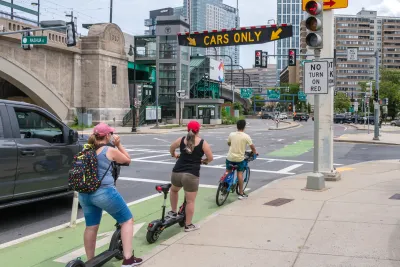
Last week, Massachusetts governor Maura Healey proposed a bill that would require an annual registration, liability insurance, and an official license plate for high-speed motorized bicycles, scooters and mopeds.
GovTech reports: "The bill, called An Act to Enhance the Safe Use of Micromobility Devices (S. 3077), was filed by Healey on May 4 and also sets a new regulatory framework for lower speed e-bikes, requiring those riders to follow bike lane and other restrictions and making helmets mandatory for riders 16 and under."
The bill seeks to define and tier micromobility vehicles by speed capability. Tier 3 devices, those capable of speeds of 41 miles per hour or more, would be required to obtain the license, registration and insurance. They would also be banned from bike lanes and walking and biking paths. The bill also proposes restrictions for Tier 2 and 1 devices.
If passed, the proposed law would take effect in January, 2028.
FULL STORY: Massachusetts Lawmakers Look to Put Brakes on E-Bikes

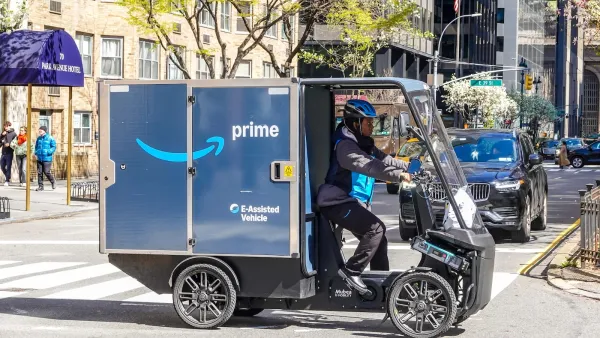
Amazon launches cargo bike deliveries in DC
The e-commerce giant is deploying micromobility devices including cargo bikes and mopeds in several global markets to reduce the need for larger trucks and vans for last-mile deliveries.
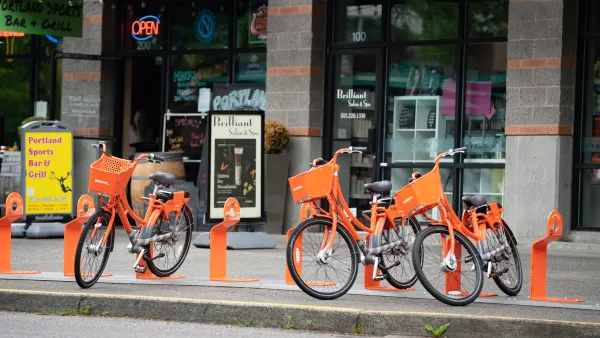
New bill would open federal funds to bike- and scooter-share
Democratic Representative Val Hoyle hopes that the Shared Micromobility Investment Act will remove barriers to cities accessing micromobility funding.
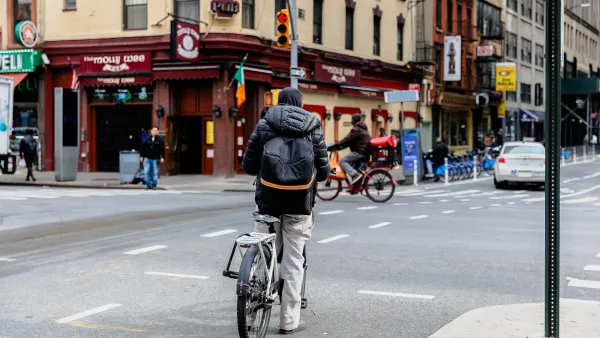
NYC e-bike injury study highlights 'critical infrastructure deficiencies'
The sharp rise in e-mobility injuries points to a need for safer roads, not more punitive laws.

Planetizen Federal Action Tracker
A weekly monitor of how Trump’s orders and actions are impacting planners and planning in America.

The state-sanctioned urbicide of Austin
People don’t kill cities. Freeways do.

US to reduce Colorado River water deliveries to Mexico
A new Colorado Treaty amendment reduces Mexico’s Colorado River water allocation by 250,000 acre feet.

5 New England states march closer to 800 megawatt wind energy project
Securing federal approval for the project may be complicated under the Trump administration, which has historically been hostile towards domestic wind power.

Baltimore to break ground on $50 million Transit Priority Project
The project will bring faster bus trips, safer streets and better bike connections to Baltimore.

Airbnb launches $250 million 'last-dollar financing' housing accelerator, makes first investment in Austin
The company will put $6.4 million towards affordable housing development in Texas’ capital.

FREE Course: Walkable City 1: Why Walkability?
After describing his path towards focusing on walkability as the essence of good planning, Jeff Speck marches through his five principal reasons for making more walkable places.
Reinventing Malls: Planning Alchemy—Turning Gray Fields Into Gold
The course focuses on the opportunities and imperatives that shape reinvention of mall sites.

Eagle County Government
Harvard University Graduate School of Design
Nashville Planning Department
The Architects Foundation
University of Cincinnati Online
The Pocatello Development Authority
The Urban Renewal Agency of the City of Pocatello
Journal of the American Planning Association