A CalMatters analysis evaluates the success of the state's pandemic-era homeless housing program.


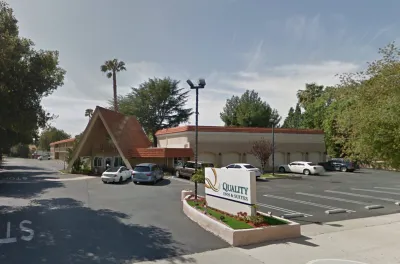
A California housing program started during the Covid-19 pandemic promised to turn vacant hotels and motels into homes for unhoused Californians. How did it do?
In an analysis for CalMatters, Lauren Hepler and Marisa Kendall assess the results of Project Homekey, and the results are mixed. The program awarded over $3.8 billion to local governments to convert shuttered motels and other properties into housing. But the program had little oversight, and state lawmakers failed to advance a bill that would have required an audit. "The challenge now: A new and more complex phase is already underway with up to $2 billion from the voter-approved Prop. 1 mental health bond. But no one has publicly accounted for how many of the program’s original projects stalled out and how many succeeded."
CalMatters filed over 100 public records requests to assess the progress of Project Homekey at 250 projects. They found that "When Homekey worked, those involved stress that it really worked. Nearly 13,500 people now live at Homekey sites, according to the state Housing Department." In some cases, small communities were able to create their first-ever housing for homeless residents.
But projects totaling around 3,000 units have stalled, and 2,000 units are being occupied on a temporary basis. "In 10 instances involving 500 more units, the state publicized grants that later were canceled or that never materialized because local officials or developers backed out." Furthermore, completing a conversion project is just the first step. Cities need additional funding and resources to maintain the new properties and provide services for residents. The state Housing Department says it monitors each project closely and "is learning" as it begins to dole out additional funds. The state has doubled the timeline for new construction from one year to two and raised the budget for projects that serve veterans.
FULL STORY: Did Newsom’s $3.8 billion hotels-to-housing program pay off? We filed 100 records requests to find out

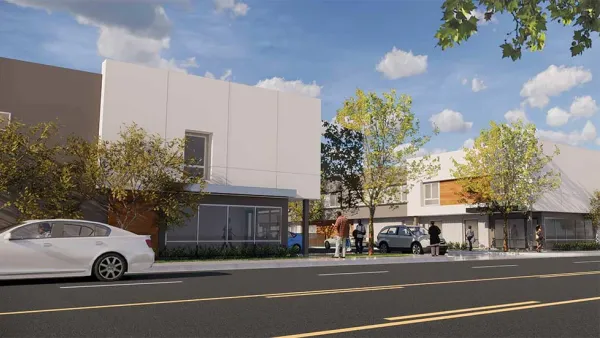
Orange County Motel Converted to Supportive Housing
The renovated building offers 57 housing units and supportive services to people formerly experiencing homelessness.

LA Housing Authority Buys 30-Unit Apartment Building for Supportive Housing
The Koreatown building will offer housing as well as healthcare services and case management.

Albuquerque Route 66 Motels Become Affordable Housing
A $4 million city fund is incentivizing developers to breathe new life into derelict midcentury motels.

Planetizen Federal Action Tracker
A weekly monitor of how Trump’s orders and actions are impacting planners and planning in America.

The state-sanctioned urbicide of Austin
People don’t kill cities. Freeways do.

US to reduce Colorado River water deliveries to Mexico
A new Colorado Treaty amendment reduces Mexico’s Colorado River water allocation by 250,000 acre feet.

5 New England states march closer to 800 megawatt wind energy project
Securing federal approval for the project may be complicated under the Trump administration, which has historically been hostile towards domestic wind power.

Baltimore to break ground on $50 million Transit Priority Project
The project will bring faster bus trips, safer streets and better bike connections to Baltimore.

Airbnb launches $250 million 'last-dollar financing' housing accelerator, makes first investment in Austin
The company will put $6.4 million towards affordable housing development in Texas’ capital.

FREE Course: Walkable City 1: Why Walkability?
After describing his path towards focusing on walkability as the essence of good planning, Jeff Speck marches through his five principal reasons for making more walkable places.
Reinventing Malls: Planning Alchemy—Turning Gray Fields Into Gold
The course focuses on the opportunities and imperatives that shape reinvention of mall sites.

Eagle County Government
Harvard University Graduate School of Design
Nashville Planning Department
The Architects Foundation
University of Cincinnati Online
The Pocatello Development Authority
The Urban Renewal Agency of the City of Pocatello
Journal of the American Planning Association